
Author: Declan Frobisher - Page 2
Double-Checking Medication Strength and Quantity Before Leaving the Pharmacy
- 16.02.2026
- Posted in Health
- 8 Comments
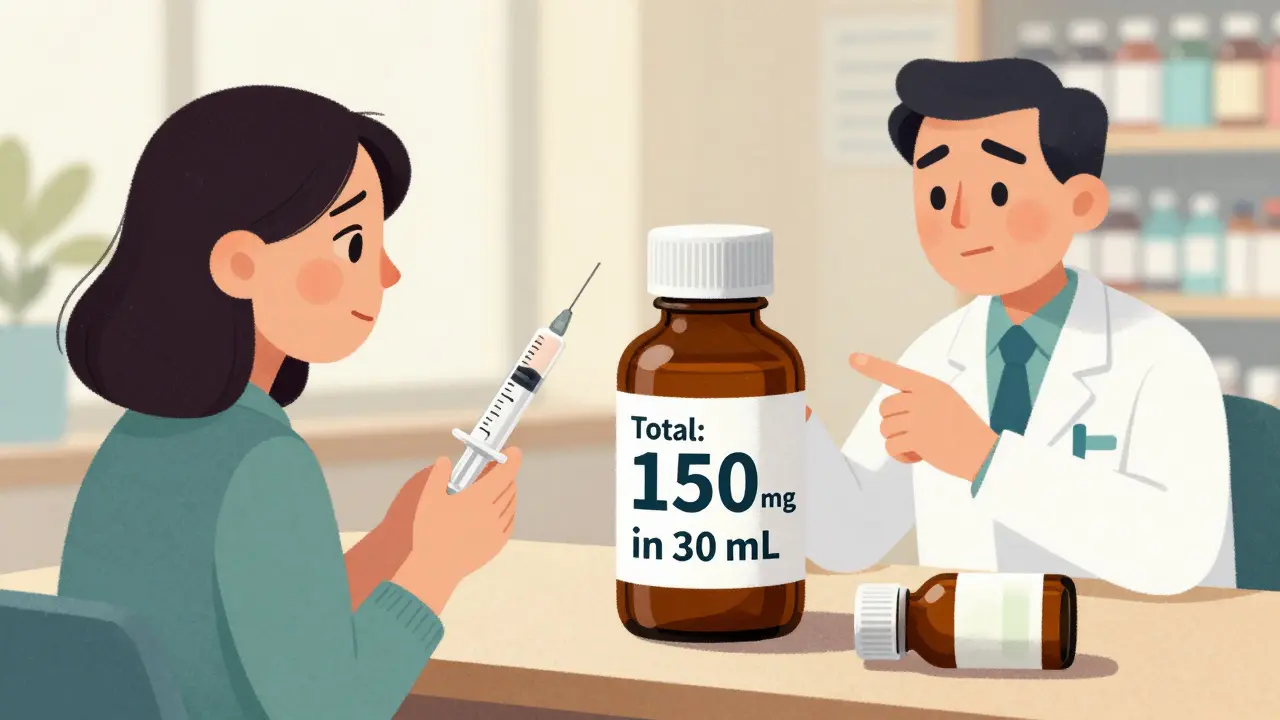
Double-checking medication strength and quantity before leaving the pharmacy prevents deadly dosing errors. Learn how this simple step saves lives - and what to demand from your pharmacist.
Proton Pump Inhibitors: Long-Term Risks and When to Stop
- 15.02.2026
- Posted in Health
- 15 Comments
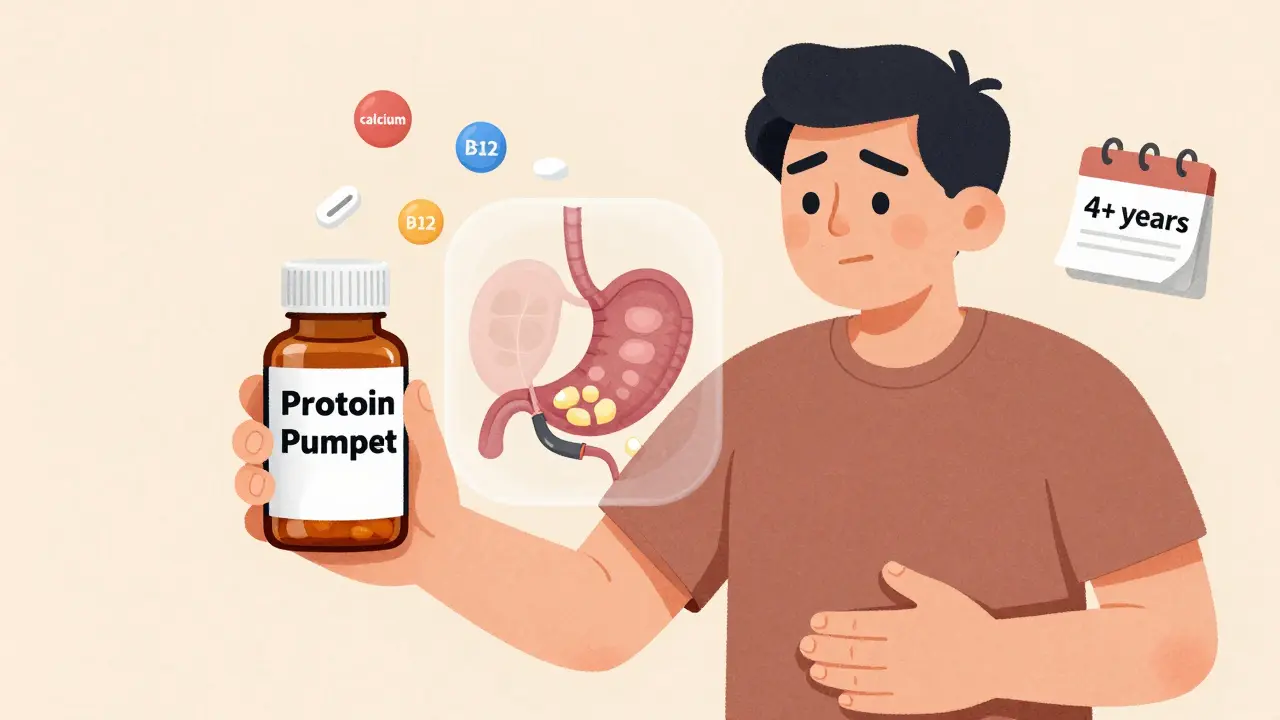
Proton pump inhibitors (PPIs) are highly effective for acid reflux and ulcers, but long-term use carries real risks like fractures, kidney issues, and vitamin deficiencies. Learn when and how to safely stop taking them.
Seizure Medications and Pregnancy: Birth Defect Risks and Drug Interactions You Need to Know
- 14.02.2026
- Posted in Health
- 12 Comments

Seizure medications can affect fetal development and interact with birth control. Learn which drugs are safest during pregnancy, how to reduce birth defect risks, and why stopping meds without medical advice is dangerous.
Managing Multiple Medications: How to Reduce Drug Interactions and Stay Safe
- 8.02.2026
- Posted in Health
- 8 Comments

Managing multiple medications safely means knowing which pills are essential, spotting dangerous interactions, and working with your care team to reduce unnecessary drugs. Learn how deprescribing and medication reviews can help you stay healthy.
Understanding Medicare Part D Generic Drug Coverage: Your 2026 Guide
- 5.02.2026
- Posted in Health
- 9 Comments

Learn how Medicare Part D covers generic drugs in 2026. Understand tiered formularies, recent changes from the Inflation Reduction Act, and strategies to minimize costs. Get practical tips on using Medicare's tools and avoiding common pitfalls. This guide explains the system clearly for beneficiaries.
NSAID Safety Guide: Ibuprofen and Naproxen Dosage, Risks & Alternatives
- 4.02.2026
- Posted in Health
- 11 Comments

Ibuprofen and naproxen are common OTC pain relievers, but they carry serious risks like heart issues and stomach bleeding. This guide explains exact dosage limits, who should avoid them, and safer alternatives. Learn how to use these medications safely to prevent ER visits. FDA warnings and real user experiences highlight critical safety steps. Always follow label instructions and consult a doctor for prolonged use.
Pregnancy Trimester-Specific Medication Risks: Safer Timing Strategies
- 3.02.2026
- Posted in Health
- 8 Comments

Learn how medication risks change during each trimester of pregnancy. Discover which drugs are safest when, how to avoid birth defects, and what to do if you took something before knowing you were pregnant.
Steroids and NSAIDs Together: Why This Combo Raises GI Bleeding Risk and How to Stop It
- 2.02.2026
- Posted in Health
- 9 Comments
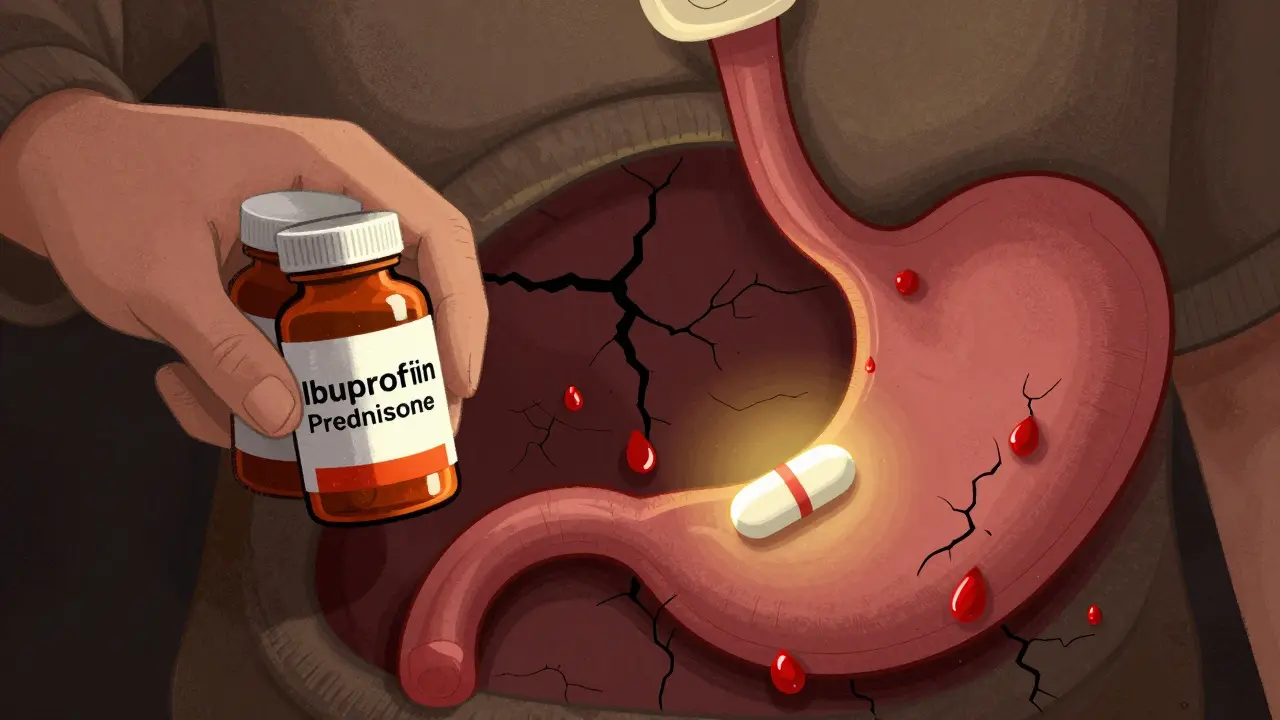
Combining steroids and NSAIDs can raise the risk of dangerous GI bleeding by up to 12 times. Learn why this happens, who's most at risk, and how to prevent it with proven, simple steps.
Rheumatoid Arthritis: How Biologic DMARDs Can Lead to Disease Remission
- 1.02.2026
- Posted in Health
- 10 Comments
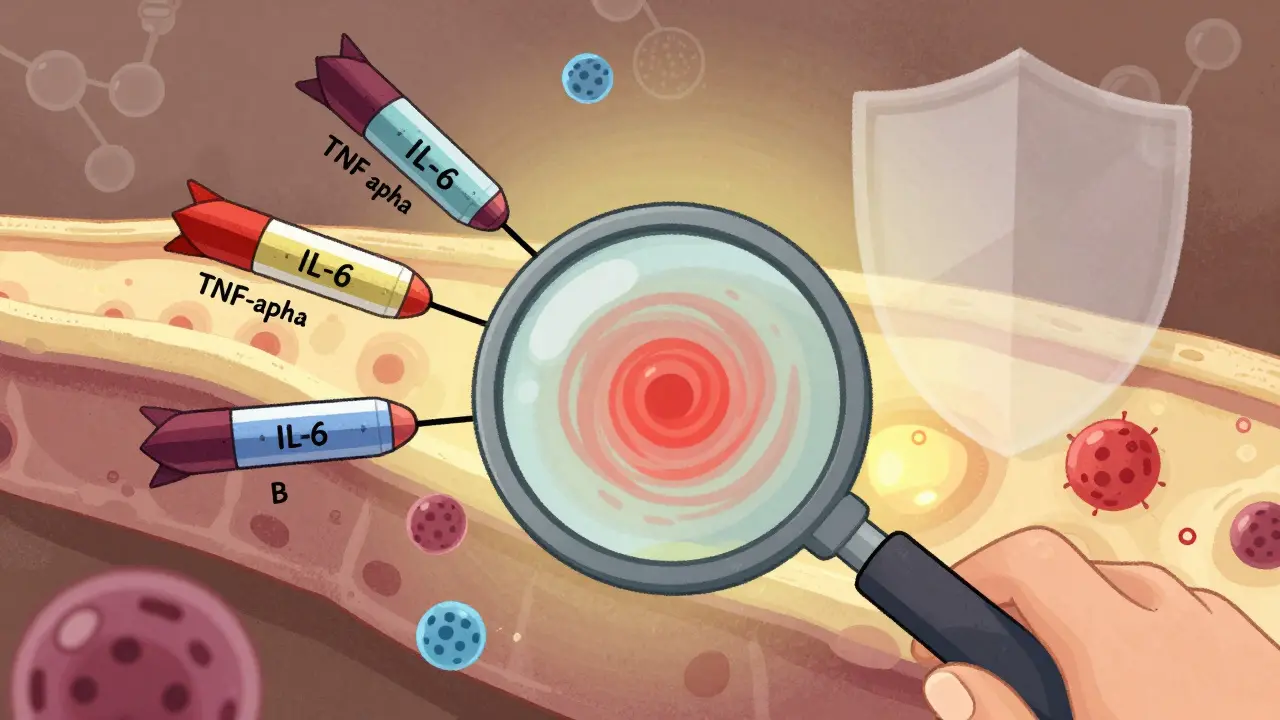
Biologic DMARDs have transformed rheumatoid arthritis treatment, offering real remission for many patients. Learn how these targeted therapies work, which ones are most effective, and what to expect from treatment.
Which Statins Cause the Most Muscle Pain? Real Data on Risk and Relief
- 31.01.2026
- Posted in Health
- 13 Comments

Most muscle pain blamed on statins isn't actually caused by them. Learn which statins carry the highest risk, how to tell if it's the drug or your brain, and what to do if you're worried about side effects.
How the FDA Monitors Generic Drug Safety After Approval
- 30.01.2026
- Posted in Health
- 9 Comments

The FDA doesn't stop monitoring generic drugs after approval. It uses millions of reports, advanced data tools, and targeted watch lists to catch manufacturing flaws and rare safety issues. Here's how it works-and where gaps remain.
Mental Health Medications in Pregnancy: What You Need to Know About Shared Decision-Making
- 28.01.2026
- Posted in Health
- 12 Comments

Learn how shared decision-making helps pregnant people safely manage mental health medications, balancing risks of untreated illness against medication safety. Evidence-based guidance on SSRIs, lithium, and alternatives.
