
Excessive hairiness isn’t just a cosmetic concern-it can affect confidence, daily routines, and even mental well-being. Whether it’s due to genetics, hormones, or medication, dealing with unwanted hair is something millions deal with every day. And while there’s no one-size-fits-all solution, knowing the real pros and cons of each method can save you time, money, and frustration.
Shaving: Quick but Temporary
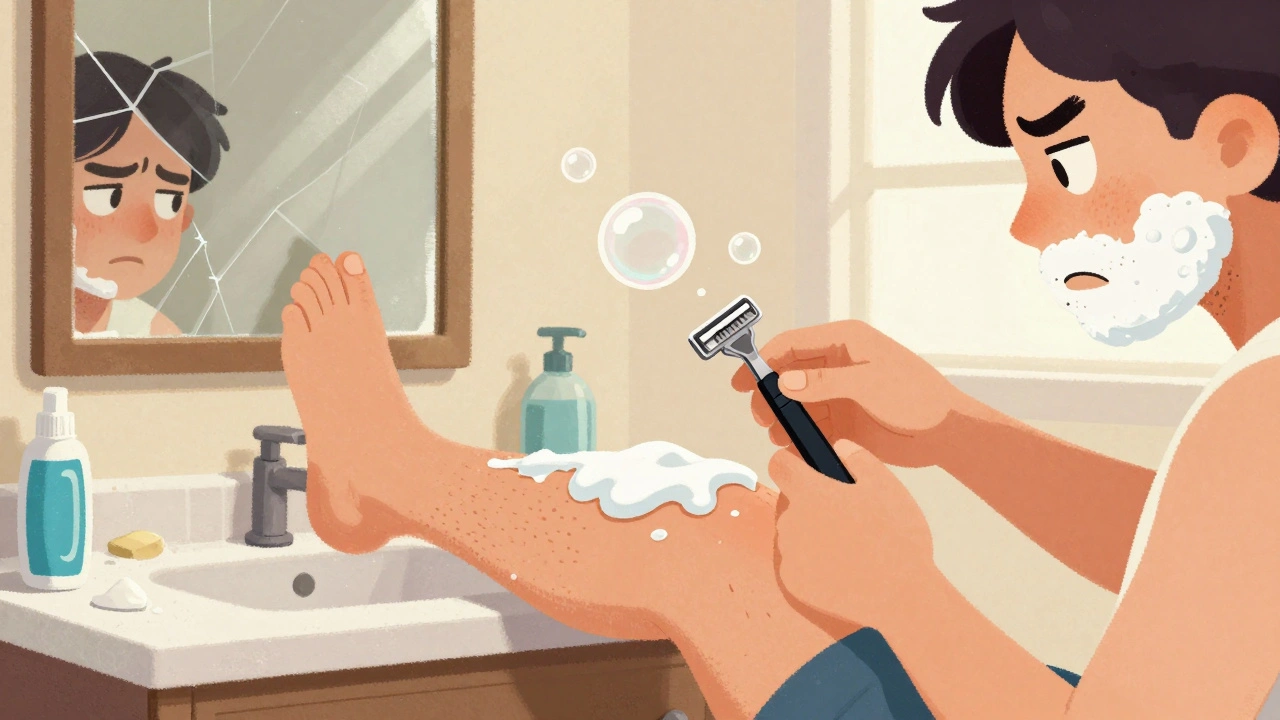
Shaving is the most common method. It’s cheap, fast, and you can do it at home with a razor and some gel. Most people start here because it’s easy. But here’s the catch: hair grows back in 1-3 days, and it often feels stubbly or coarse. That’s not because the hair is thicker-it’s because you’re cutting it bluntly at the skin’s surface. The illusion of thickness is just physics.
People with sensitive skin often get razor burn or ingrown hairs, especially in areas like the bikini line or underarms. Using a sharp blade, pre-shave oil, and moisturizing afterward helps, but it doesn’t fix the core issue: you’re not removing the hair from the root. If you’re looking for long-term relief, shaving alone won’t cut it.
Depilatory Creams: Chemical Solution, Chemical Risks
Depilatory creams like Nair or Veet dissolve hair at the skin’s surface using chemicals-usually calcium thioglycolate. They work in 5-10 minutes, no razor needed. That’s convenient for people who hate the feeling of blades or have trouble reaching certain spots.
But here’s what most ads don’t tell you: these creams can burn. If you have sensitive skin, eczema, or allergies, you risk redness, blisters, or even chemical burns. Always do a patch test 24 hours before use. And don’t use them on broken skin, the face (unless labeled safe), or genitals. The smell is also strong-some people can’t stand it.
Results last about a week, similar to shaving. It’s a middle ground: less frequent than shaving, but not permanent. If you’re okay with the smell and potential irritation, it’s a decent short-term fix.
Waxing: Painful but Longer-Lasting
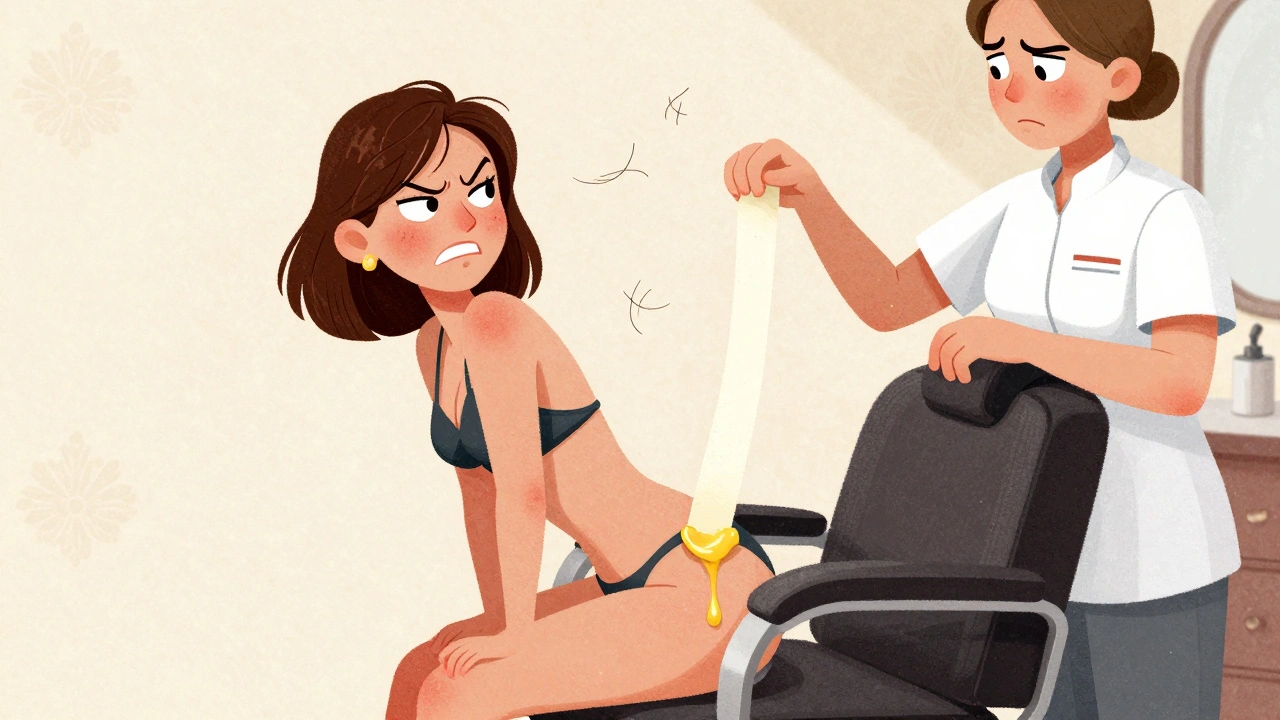
Waxing pulls hair out from the root. That means smooth skin lasts 3-6 weeks, depending on your hair growth cycle. It’s popular for legs, underarms, and bikini areas. You can do it at home with kits, or go to a salon.
The pain is real. First-time users often describe it as a sharp sting, like ripping off a bandage-except it’s on your skin. Over time, many say it gets easier. Hair also grows back finer and sparser after repeated sessions, because the follicle weakens.
But there are downsides. Ingrown hairs are common, especially if you don’t exfoliate. Skin can become red, swollen, or even infected if the wax isn’t sterile. People with diabetes, varicose veins, or taking acne medications like Accutane should avoid waxing-it increases the risk of scarring.
Salon waxing costs £25-£60 per session depending on the area. Home kits are cheaper, but messy and harder to do well on your own back or bikini line.
Electrolysis: The Only Permanent Solution
If you want hair gone for good, electrolysis is the only FDA-approved permanent method. It uses a tiny probe inserted into each hair follicle to deliver an electric current that destroys the root. It works on all skin tones and hair colors, including blonde and gray-something lasers struggle with.
But it’s slow. One session takes 15 minutes to over an hour, depending on the area. You’ll need 10-30 sessions over 6 months to 2 years. It’s not cheap: £50-£150 per session. Total cost can hit £2,000 or more.
Still, the results are lasting. Many people who’ve tried everything else end up here. When done by a licensed professional, side effects are rare-maybe slight redness or swelling. Scarring is possible if done poorly, so choose a certified electrologist. The British Institute of Hair Removal Therapy (BIHRT) has a directory of registered practitioners in the UK.
Laser Hair Removal: Fast, But Not for Everyone
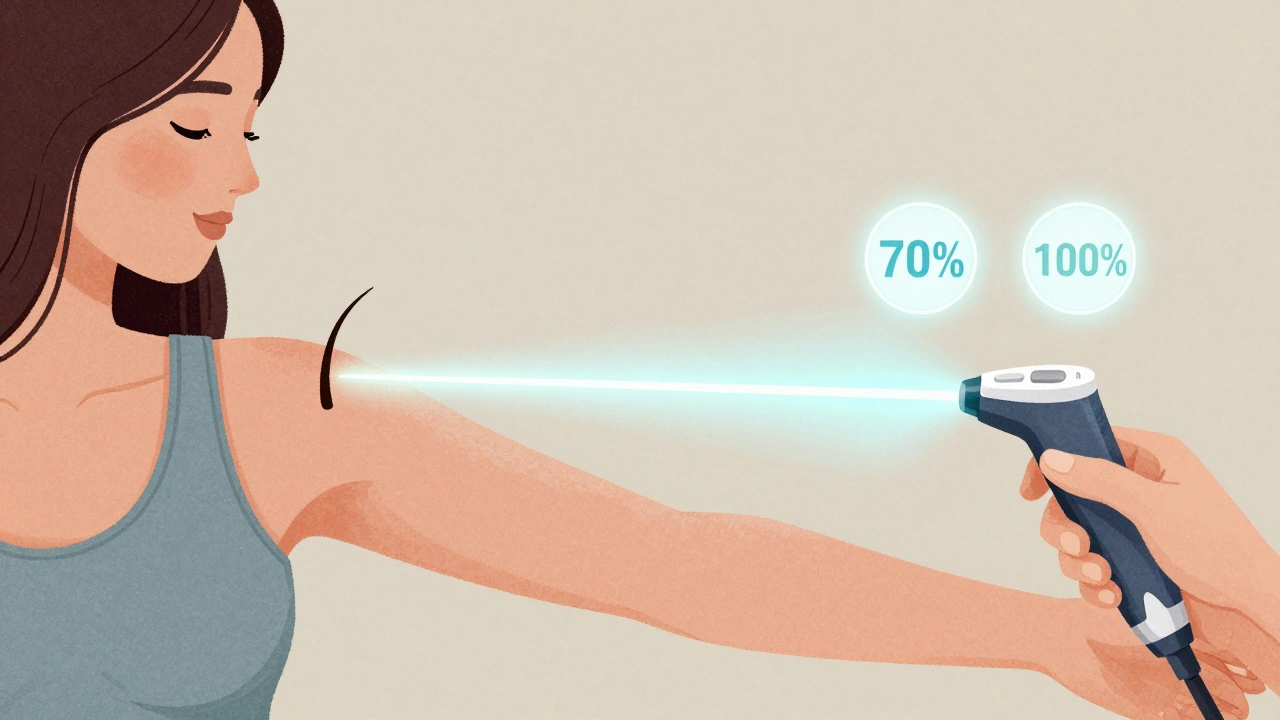
Laser hair removal is the most popular semi-permanent option. It uses concentrated light to target pigment in the hair follicle, damaging it enough to slow or stop growth. Most people need 6-8 sessions spaced 4-8 weeks apart.
It’s faster than electrolysis-full legs take about 30 minutes. Results vary: most see 70-90% reduction after a full course. Hair that grows back is usually finer and lighter.
But it doesn’t work well on light hair (blonde, red, grey) or very dark skin. The laser targets melanin-if your hair and skin are both dark, the risk of burns or pigment changes increases. Newer devices like Nd:YAG lasers are safer for darker skin tones, but not all clinics have them.
Clinic prices in the UK range from £50 to £200 per session. Packages often cost £500-£1,500. Some clinics offer money-back guarantees if results aren’t met. Always ask about the device used and the technician’s qualifications. Avoid salons that push single-session deals-this isn’t a one-time fix.
At-Home IPL Devices: A Middle Ground?
At-home IPL (Intense Pulsed Light) devices like Braun or Philips Lumea are becoming popular. They’re cheaper than clinic lasers-£200-£400 upfront-and you can use them monthly over 6-12 months.
They’re less powerful than professional lasers, so results are slower and less dramatic. Most users see 50-70% reduction after consistent use. They work best on fair skin with dark hair. Again, they’re ineffective on light or grey hair.
Side effects are mild: redness, warmth, occasional burns if misused. Always follow the manual. Don’t use on tanned skin. And don’t expect miracles-if you have hormonal hair growth (like PCOS), you’ll likely need maintenance sessions forever.
What Works Best for Hormonal Hair Growth?
If your excessive hairiness is linked to conditions like PCOS, thyroid issues, or adrenal disorders, no method will work long-term unless you address the root cause. Hormonal hair growth tends to be coarser, darker, and grows back faster.
Many women with PCOS report that even after laser or electrolysis, new hairs appear in new areas over time. That’s because the hormone imbalance keeps stimulating follicles. In these cases, medical treatment-like birth control pills, spironolactone, or metformin-combined with hair removal, gives the best outcome.
Always talk to a GP or endocrinologist before starting long-term removal. Blood tests can confirm if hormones are involved. Treating the cause reduces how often you need to remove hair.
Choosing the Right Method for You
There’s no perfect method. Each has trade-offs between cost, pain, time, and permanence.
Here’s a quick guide:
- Want instant smoothness and don’t mind frequent upkeep? Shaving.
- Prefer no blades and quick results? Depilatory cream (if your skin tolerates it).
- Want longer-lasting results and can handle pain? Waxing.
- Want permanent removal and have the budget/time? Electrolysis.
- Have dark hair and fair skin? Want speed and less pain? Professional laser.
- Want to save money over time and have patience? At-home IPL.
Many people combine methods. For example, laser for legs and underarms, electrolysis for stubborn chin hairs. Don’t feel pressured to pick one forever. Your needs might change.
What to Avoid
Some methods are risky or ineffective. Stay away from:
- Threading for large areas-it’s only practical for eyebrows or upper lip.
- Home remedies like sugar paste or turmeric mixtures-no scientific backing, high infection risk.
- Buying unregulated laser/IPL devices online-many are underpowered or unsafe.
- Skipping patch tests-don’t risk chemical burns or burns from lasers.
Also, never use hair removal methods on moles, warts, or irritated skin. And avoid sun exposure for 2 weeks before and after laser or IPL treatments.
Realistic Expectations
No method removes 100% of hair permanently-except electrolysis, and even then, it takes years. Most people see 70-90% reduction. That’s still life-changing.
Hair growth cycles mean you’ll always have some regrowth. That’s normal. The goal isn’t zero hair-it’s less hair, less often, and less noticeable.
If you’re feeling overwhelmed, start small. Pick one area-maybe your upper lip or underarms-and try one method for 3 months. See how your skin reacts. Track your results. You’ll learn what works for your body faster than you think.
Can hair removal methods cause more hair growth?
No, none of the common hair removal methods cause more hair to grow. This is a myth. Shaving, waxing, or laser don’t increase hair density or thickness. What you might notice is that after shaving, stubble feels coarser because the hair is cut bluntly at the surface. It’s an illusion, not biology.
Is laser hair removal safe for dark skin?
Yes, but only with the right device. Older lasers like Alexandrite can burn dark skin. Modern Nd:YAG lasers are designed for darker skin tones and are much safer. Always ask the clinic which laser they use and if they’ve treated people with your skin tone before. Don’t settle for a clinic that doesn’t know the answer.
How long does electrolysis take to work?
Electrolysis requires multiple sessions over months or years. You’ll typically need 10-30 sessions, depending on the area and hair density. Sessions start at 15 minutes and can go up to an hour. Results are permanent, but patience is required. It’s the only method that truly ends the cycle.
Can I use hair removal creams on my face?
Only if the product is specifically labeled for facial use. Facial skin is thinner and more sensitive. Regular body creams can cause severe irritation, blistering, or chemical burns on the face. Always check the label and do a patch test behind your ear first.
Why does hair grow back after laser?
Hair grows in cycles: active, resting, shedding. Lasers only destroy follicles in the active phase. That’s why you need multiple sessions-each one catches more hairs as they enter the growth phase. If you stop too early, you’ll see regrowth. Hormonal changes can also trigger new growth, especially in women with PCOS.


Erin Nemo, December 1, 2025
Shaving is a total time-suck if you ask me-like, why am I doing this every other day? I switched to IPL and my underarms haven’t felt like sandpaper in months.
Suzanne Mollaneda Padin, December 2, 2025
I’ve been doing electrolysis for my chin for 18 months now. It’s expensive and slow, but when I saw that one stubborn hair stop growing back for good? Worth every penny. Also, don’t trust cheap clinics-find someone certified. BIHRT directory saved me.
Rachel Stanton, December 3, 2025
For anyone with PCOS: hormonal hair growth is not a cosmetic issue-it’s a medical one. Laser and electrolysis can help manage it, but without addressing insulin resistance or androgen levels, you’re just playing whack-a-mole with follicles. Talk to an endocrinologist. Metformin + laser cut my maintenance sessions by 60%. Also, avoid sugary snacks-they’re basically hair growth stimulants.
amit kuamr, December 4, 2025
Depilatory creams are for people who hate their skin. If your body is sensitive enough to react to chemicals, maybe you should stop trying to remove hair and start accepting it. Nature didn’t make you wrong.
elizabeth muzichuk, December 5, 2025
I tried laser and now I have dark spots on my legs that won’t fade. I feel like a science experiment gone wrong. Why do people just follow trends without thinking? 😔
Debbie Naquin, December 6, 2025
The myth that shaving makes hair thicker is rooted in a misunderstanding of terminal vs vellus follicle dynamics. The tactile sensation of blunt regrowth is a perceptual artifact, not a biological change. The follicle remains unchanged. The illusion is purely mechanical.
ariel nicholas, December 7, 2025
Who even cares about hair? This is why America is falling apart-you spend $2,000 on a laser machine because you can’t accept your body? Grow a spine. We used to just wear long sleeves. Now we’re all obsessed with ‘perfect’ skin. Pathetic.
Margaret Stearns, December 7, 2025
i tried waxing once and it hurt so bad i cried. now i just shave and live with it. no big deal.
Scotia Corley, December 7, 2025
At-home IPL devices are a regulatory nightmare. The FDA has issued warnings about burns and improper use. Consumers are being misled by marketing claims that lack clinical validation. If you cannot afford professional treatment, consider temporary methods-do not gamble with unregulated devices.
Amber-Lynn Quinata, December 7, 2025
My sister got electrolysis and now she’s ‘perfect’-but she won’t let anyone touch her skin anymore. Like, she won’t even let me hug her if my nails are too long?? 😭 This is not freedom. This is obsession. 💅