
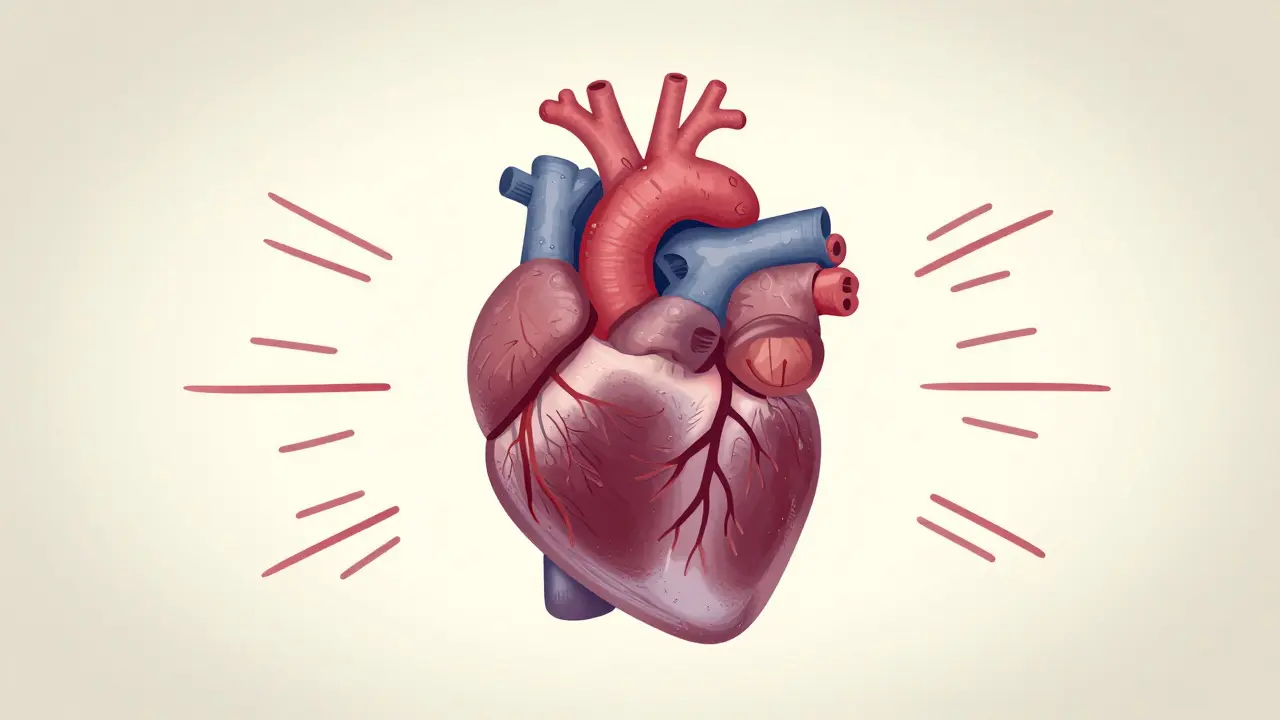
High blood pressure often hides in plain sight. You can't feel it, but it's quietly putting pressure on your heart, kidneys, and brain. When lifestyle changes aren't enough, blood pressure medications is a diverse group of pharmaceutical agents designed to lower hypertension and reduce the risk of stroke or heart attack. With nearly half of adults in the U.S. aged 20 and older dealing with hypertension, these drugs are common, but they aren't one-size-fits-all. Choosing the right one depends on your age, ethnicity, and other health issues you might have.
The Main Types of Blood Pressure Drugs
Doctors don't just pick a random pill; they choose a class of medication based on how it affects your body's plumbing and electricity. Here are the heavy hitters you'll likely encounter.
- Diuretics: Often called "water pills," these are frequently the first line of defense. They help your kidneys flush out excess sodium and water, which lowers the total volume of blood in your system. A common example is hydrochlorothiazide.
- ACE Inhibitors: These block the production of a chemical that narrows your blood vessels. By preventing the conversion of angiotensin I to angiotensin II, they keep vessels relaxed. Lisinopril is a widely used version of this drug.
- ARBs: Angiotensin II Receptor Blockers work similarly to ACE inhibitors but instead of stopping the production of the chemical, they block the receptors it attaches to. They are often prescribed for people who can't tolerate the "ACE cough."
- Calcium Channel Blockers: These prevent calcium from entering the cells of the heart and arteries. This allows blood vessels to relax and open up. Examples include amlodipine and verapamil.
- Beta-Blockers: These don't just lower pressure; they slow down your heart rate and reduce the force of your heart's contraction. They are critical for people recovering from a heart attack.
| Drug Class | Primary Action | Common Example | Best For... |
|---|---|---|---|
| Diuretics | Reduces fluid volume | Hydrochlorothiazide | Initial treatment |
| ACE Inhibitors | Relaxes blood vessels | Lisinopril | Diabetes / Kidney disease |
| Beta-Blockers | Lowers heart rate | Metoprolol | Heart failure / Post-MI |
| CCBs | Blocks calcium entry | Amlodipine | Elderly / Black patients |
Managing Side Effects and Trade-offs
No medication is without a trade-off. The challenge is that some side effects are annoying, while others are serious. For example, about 10% to 20% of people taking ACE inhibitors develop a persistent, dry cough. If you find yourself hacking constantly, your doctor might switch you to an ARB, which provides similar kidney protection without the irritation.
Calcium channel blockers are great for opening vessels, but they can cause peripheral edema, which is a fancy way of saying your ankles might swell up. Beta-blockers can make you feel exhausted or cold in your hands and feet because they slow everything down. For those with diabetes, beta-blockers can be tricky because they might mask the shakes or rapid heartbeat that usually warns you your blood sugar is dropping too low.
Then there are the diuretics. Since they make you urinate more, you might find yourself running to the bathroom constantly. More importantly, they can flush out too much potassium, leading to muscle cramps or heart rhythm issues. This is why your doctor will order regular blood tests to check your electrolyte levels.
Safety Warnings and Critical Interactions
Some drug combinations can be dangerous. A common mistake is taking a non-steroidal anti-inflammatory drug (NSAID), like ibuprofen, while on an ACE inhibitor or ARB. Doing this can put immense strain on your kidneys and even lead to acute kidney injury. It essentially cancels out the blood-pressure-lowering effect of your medication while damaging your renal filters.
Pregnancy is another critical safety zone. Certain medications, specifically ACE inhibitors, ARBs, and direct renin inhibitors, are strictly forbidden during pregnancy. They can cause severe fetal toxicity. If you are planning a family or are already pregnant, medications like methyldopa or labetalol are the safer alternatives typically recommended by clinicians.
For older adults, the risk of orthostatic hypotension is high. This is the dizzy spell you get when you stand up too quickly. Because the body's reflexes slow down with age, a strong blood pressure med can cause a sudden drop in pressure, leading to falls. The general rule of thumb here is "start low and go slow" with dosing.
The Reality of Combination Therapy
One pill isn't always enough. In fact, about 70% of people need two or more different medications to hit their target blood pressure. If you have "Stage 2" hypertension (where your top number is 140 or higher), guidelines now suggest starting with two different classes of drugs right away rather than waiting for one to fail.
Using a combination is actually more effective than just cranking up the dose of a single drug. By attacking the problem from two different angles-say, removing fluid with a diuretic and relaxing vessels with a calcium channel blocker-you get better results with fewer side effects from any one specific drug.

Tips for Staying on Track
The biggest danger with blood pressure meds isn't the side effects-it's stopping them. Because hypertension is a "silent killer," you feel fine even when your pressure is dangerously high. Many people stop their meds because they feel healthy or the pills make them tired. This often leads to "rebound hypertension," where your pressure spikes even higher than before you started treatment.
To stay consistent, consider these practical steps:
- Use a tracker: Use a medication reminder app. Studies show this can boost adherence by up to 20%.
- Log your numbers: Keep a simple diary of your home readings. This helps your doctor decide if a dose change is needed without guessing.
- Discuss the "annoyances": If a drug makes you tired or gives you a cough, tell your doctor. There are almost always alternatives. You don't have to suffer through side effects to be healthy.
Can I stop taking my blood pressure medication if my readings are normal?
No. If your readings are normal, it's because the medication is working. Stopping abruptly can cause your blood pressure to spike dangerously, increasing your risk of a heart attack or stroke. Always consult your doctor before changing your dose.
Which blood pressure medication is best for kidney protection?
ACE inhibitors and ARBs are typically the top choices for patients with chronic kidney disease or diabetes. They provide a protective effect on the kidneys by reducing the pressure inside the kidney's filters (glomeruli).
What should I do if I miss a dose?
Generally, take the missed dose as soon as you remember. However, if it's almost time for your next dose, skip the missed one and get back on schedule. Never double up on doses to "make up" for a missed one, as this can cause your blood pressure to drop too low.
Do beta-blockers cause weight gain?
Some people report weight gain or a feeling of sluggishness with beta-blockers because they slow the heart rate and can affect metabolism and energy levels. If you notice significant changes, discuss them with your provider.
Are there any foods I should avoid while taking these meds?
If you are on ACE inhibitors or ARBs, be careful with potassium-rich salt substitutes or supplements, as these drugs can already raise your potassium levels (hyperkalemia). Additionally, avoid excessive liquor, which can enhance the dizzying effects of antihypertensives.
Next Steps for Your Health Journey
If you're just starting your medication, don't expect a miracle overnight. It usually takes 2 to 4 weeks to see the full effect of a new drug. Schedule a follow-up appointment for a blood pressure check and an electrolyte panel to make sure your kidneys are handling the medication well.
If you've been on meds for years, ask your doctor if your target goal has changed. Some newer guidelines suggest more intensive control (systolic under 120 mmHg) for high-risk patients. However, this requires a careful balance to avoid side effects like dizziness, so it's a conversation best had with a professional who knows your full medical history.


Peter Minto, April 29, 2026
Why we even talkin bout this stuff like it's some big secret?? Just take the damn pills and keep america healthy!! Some ppl just love to overthink everythng with these fancy words instead of just followin orders.
Timothy Brown, May 1, 2026
Most of you guys are just lazy with your diets. You can't just pop a pill and keep eating salt like it's candy and expect a miracle. Get your life together and hit the gym if you actually want to fix the root cause instead of just masking the numbers on a machine.
Dale Kensok, May 2, 2026
The reductionist approach to hypertension outlined here fails to account for the systemic ontological complexity of cardiovascular homeostasis. One must analyze the pharmacological intervention not merely as a chemical correction, but as a perturbation of the endocrine axis that necessitates a sophisticated understanding of hemodynamics. The interplay between the renin-angiotensin-aldosterone system and the sympathetic nervous system is far more nuanced than a simple table can convey. We are dealing with an intricate web of feedback loops where the iatrogenic effects often mirror the pathology they intend to mitigate. It's almost quaint to see the medical community simplify these mechanisms for the masses, stripping away the teleological significance of the physiological response. The pharmacological paradigm shifts from a curative intent to a maintenance of a fragile equilibrium. In essence, we are optimizing a failing system through synthetic titration. This is the tragedy of modern medicine-the replacement of biological resilience with chemical dependence. The dichotomy between efficacy and side-effect profiles is a classic zero-sum game. One must contemplate the existential burden of chronic medication. It's not just about blood pressure; it's about the surrender of autonomy to a pharmaceutical regime. Only those with a rigorous grasp of molecular biology can truly appreciate the irony of these interventions. Everything else is just surface-level observation. The systemic failure is often obscured by the very metrics used to measure success.
Steve Grayson, May 4, 2026
I've had a similar experience with the combination therapy. It really does make a difference when you use two different types of meds.
Michael Yoste, May 5, 2026
I totally hear you on that, it's such a struggle to find the right balance! I've spent so much time worrying about my own health and it's just draining. I feel like I'm carrying the weight of the world when I'm just trying to keep my heart beating normally, you know? It's just so heartbreaking that we have to rely on these things.
Trish Perry, May 6, 2026
It's interesting how we treat the body like a machine to be tuned. We focus so much on the numbers and the chemicals that we forget the body is trying to tell us something about our environment or our stress levels.
Thomas Jorquez, May 6, 2026
I thnk the point about orthostatic hypotension is laely overlooked in many guides.
Darrin Oneto, May 8, 2026
Totes agree, that dizzy stuff is a real mood killer lol. Just gotta move slow like a turtle till the head stops spinnin.