

Every year, hospitals, clinics, and homes throw away billions of dollars worth of medicines that are still good to use. In the U.S. alone, medication waste costs over $20 billion annually. Much of it isn’t expired-it’s just sitting on a shelf, forgotten, or dispensed in too-large doses. The problem isn’t just money. It’s safety. It’s the environment. And it’s entirely preventable.
Why Medications Get Wasted (Even When They’re Still Good)
Most people think waste happens because pills expire. But that’s not the whole story. The real issue is mismanagement. A patient gets a 30-day supply of blood pressure pills. They feel better after two weeks and stop taking them. The rest? Gone. A clinic orders 50 vials of insulin because they’re on sale. Only 20 get used before the rest spoil in the fridge. A pharmacy dispenses 100 tablets of a chronic medication, even though the patient only needs 30. These aren’t mistakes-they’re system failures. And they’re happening everywhere: in big hospitals, small GP offices, and your own medicine cabinet.Store Medications Right-Temperature Matters More Than You Think
Medications aren’t like canned beans. They’re sensitive. Refrigerated drugs like insulin, certain antibiotics, and biologics need to stay between 36°F and 46°F (2°C-8°C). Too cold? They freeze and break down. Too warm? They lose potency. Room-temperature meds-think blood pressure pills, antidepressants, or pain relievers-need to stay between 68°F and 77°F (20°C-25°C). Humidity and sunlight can ruin them too. A 2022 case study from a rural clinic in Ohio showed $8,200 in biologic medications spoiled because the fridge thermostat failed for 36 hours. No one checked. No alarms rang. That’s preventable. Use a digital thermometer with a memory log. Keep it next to your meds. Check it weekly. If you’re storing meds at home, don’t keep them in the bathroom or near the stove. A cool, dry drawer is better than any medicine cabinet.Use FIFO-It’s Not Just for Groceries
FIFO stands for First-In, First-Out. It’s the same rule you use when stocking your pantry: put the new stuff behind the old. Do this with medications and you cut down on expiration waste by up to 40%. In a pharmacy or clinic, every new shipment gets labeled with the expiration date. Then, when you pull a dose, you always take the oldest one first. No exceptions. At home, do the same. When you refill a prescription, move the old bottle to the front of the shelf. Use it before the new one. Set a reminder on your phone: “Check meds-every Friday.” That’s what Nurse Practitioner Elena Rodriguez did in her clinic. Within six months, waste dropped by 29%.Ask for Smaller Doses-It’s Your Right
Doctors and pharmacies often default to 30- or 90-day supplies. But if you’re trying a new medication, or your dose changes often, you don’t need that much. Dr. Sarah Thompson at Mayo Clinic says: “Dispensing smaller quantities aligned with actual treatment duration is the single most effective intervention.” In chronic conditions like diabetes or thyroid disease, switching from a 90-day to a 30-day script can reduce waste by up to 37%. Ask your pharmacist: “Can I get a 14-day or 21-day supply to start?” Most will say yes. If they push back, ask why. If they say “It’s not covered,” ask for a prior authorization. Many insurers now support split fills for waste reduction.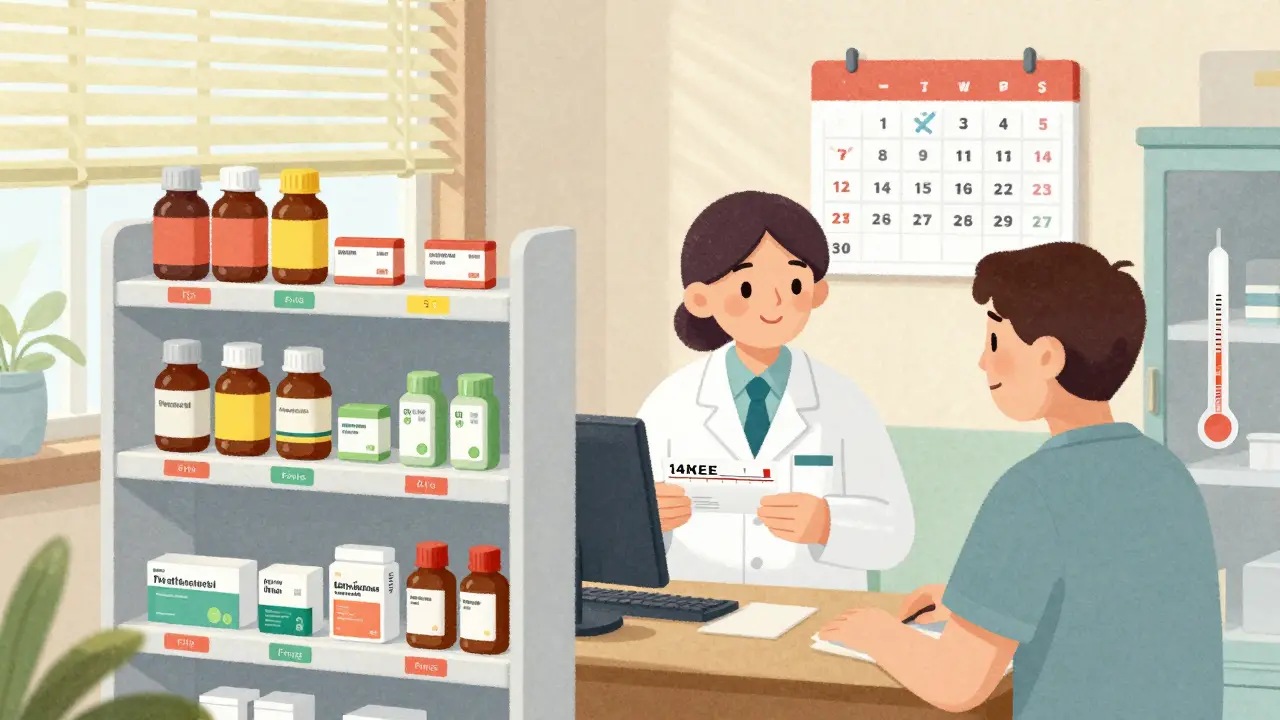
Track Expirations Like a Pro
If you’re managing meds for a household or a small clinic, you need a simple system. Color-coded labels work. Red for meds expiring in 30 days. Yellow for 60. Green for 90+. Tape them to the bottle. Use a free app like Medisafe or MyTherapy. They’ll send you alerts when something’s about to expire. Or just use a spreadsheet. List each medication, the date it was filled, the expiration date, and how many doses are left. Update it every week. Reddit user PharmTechSarah says: “I do a 10-minute Friday audit. I find 3-5 pills every week that would’ve expired next month. I use them. Or return them.”Technology Helps-But It’s Not Required
Big hospitals use barcode scanners, cloud-based inventory systems, and AI alerts to predict waste before it happens. Systems like Epic’s Pharmacist Dashboard cut duplicate prescriptions by 27%. Omnicell’s platform reduces waste by 22% in larger clinics. But you don’t need that. If you’re a small practice or managing meds at home, manual tracking works fine. Spend under $5,000 a year on tech? Stick to paper checklists, color labels, and weekly reviews. They’re proven. They’re cheap. And they work.Dispose of What You Can’t Use-Safely
Don’t flush pills. Don’t throw them in the trash. Don’t pour them down the sink. The FDA says the safest way is through take-back programs. There are over 11,000 authorized collection sites across the U.S.-pharmacies, police stations, hospitals. Find yours at DEA.gov/takeback. If there’s no site nearby, mix pills with coffee grounds or cat litter. Put them in a sealed bag. Throw them in the trash. It’s not ideal-but it’s better than flushing. The EPA says 43% of facilities still landfill hazardous meds. That’s illegal. And dangerous. Don’t be part of that statistic.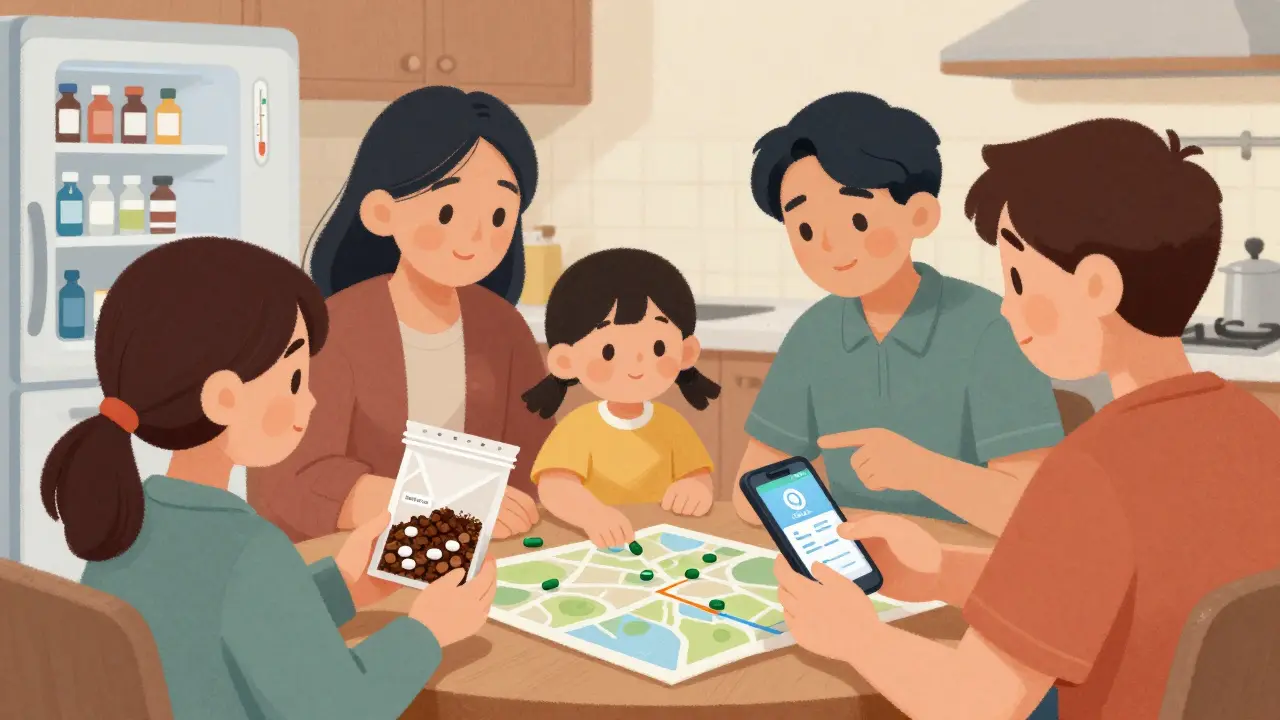
Question the Expiration Date
Here’s the uncomfortable truth: many medications stay effective long after their printed expiration date. The FDA’s own testing shows 90% of drugs remain stable for years beyond their label date. That doesn’t mean you should take old insulin or antibiotics past their date. But it does mean you shouldn’t panic every time you see a date on a bottle. If it’s been stored properly, and it looks normal (no discoloration, no strange smell), and you’re not treating a life-threatening condition, ask your pharmacist: “Is this still safe?” Dr. Lisa Chen at JAMA warns: “Overemphasis on expiration dates creates unnecessary waste.” She’s right. We throw out perfectly good medicine because of a date printed on a label-not science.Train Everyone-Even Family Members
Waste happens when no one knows what to do. In clinics, staff turnover leads to forgotten protocols. At home, kids or elderly relatives don’t know how to handle meds. Set up a 15-minute session every quarter. Show everyone where meds are stored. How to check expiration dates. How to use the fridge thermometer. How to return unused pills. The WHO says facilities with formal training programs see 28% less waste. That’s not magic. That’s consistency.Start Small. But Start Now
You don’t need a $15,000 system to cut waste. You don’t need to overhaul your entire pharmacy. Just pick one thing. - Start using FIFO this week. - Ask for smaller prescriptions next time. - Put a thermometer next to your insulin. - Schedule a Friday cleanup. - Find your nearest take-back drop-off. These aren’t grand gestures. They’re daily habits. And they add up. In 2023, a small clinic in Kansas cut its medication waste by 31% in eight months-just by doing these five things. They saved $14,000. They reduced their environmental footprint. And their patients got better care because nothing was sitting around, forgotten. You can do the same. You just have to start.Can I still use medication after its expiration date?
Some medications remain effective well past their expiration date, especially if stored properly in cool, dry conditions. The FDA has tested many drugs and found 90% retain potency for years beyond the printed date. But this doesn’t apply to all meds-insulin, liquid antibiotics, nitroglycerin, and biologics degrade faster. Never use expired medication for serious conditions. When in doubt, ask your pharmacist.
How do I properly store medications at home?
Keep most pills in a cool, dry place away from sunlight-like a bedroom drawer. Avoid bathrooms and kitchens due to humidity. Refrigerated meds like insulin must stay between 36°F and 46°F. Use a digital thermometer to monitor temperature. Never freeze medications unless the label says to.
What’s the best way to dispose of unused medications?
The safest method is through a take-back program. There are over 11,000 authorized collection sites across the U.S., including pharmacies and police stations. Find yours at DEA.gov/takeback. If no site is nearby, mix pills with coffee grounds or cat litter, seal them in a bag, and throw them in the trash. Never flush them unless the label specifically says to.
Can I ask my pharmacist for a smaller prescription?
Yes. You have the right to request a smaller supply, especially for new medications or when your dose changes. Many insurers now cover split fills for waste reduction. Asking for a 14- or 21-day supply instead of 30 or 90 can cut waste by up to 37% for chronic conditions.
Do I need expensive software to prevent medication waste?
No. While electronic systems like Epic or Omnicell help large clinics reduce waste by 25-30%, simple methods work just as well for small practices or homes. Use color-coded labels, weekly expiration checks, FIFO storage, and paper checklists. These cost almost nothing and have been proven effective in dozens of clinics.
Why is medication waste such a big problem?
Medication waste costs the U.S. healthcare system over $20 billion a year. It’s not just money-it’s environmental harm from improper disposal, and it wastes resources used to manufacture drugs. Plus, throwing away usable meds means people who can’t afford them go without. Reducing waste improves access, safety, and sustainability.
How often should I check my medications for expiration?
Check every month. Set a reminder on your phone or calendar. If you’re managing meds for multiple people, do a full audit every Friday. That’s what successful clinics do. Look for discoloration, odd smells, or changes in texture. If anything looks off, don’t use it.
What’s the difference between expiration date and stability date?
The expiration date is the date the manufacturer guarantees full potency and safety under recommended storage. The stability date is when testing shows the drug still works-often much later. Manufacturers set conservative expiration dates for legal and liability reasons. But studies show many drugs remain effective years beyond their labeled date.


Gregory Clayton, January 8, 2026
This is why America’s healthcare system is a dumpster fire. $20 billion wasted on pills we could be using? Someone’s making bank off this chaos. Stop being lazy and take responsibility. 🤬
Catherine Scutt, January 9, 2026
I’ve seen this happen in my grandma’s cabinet. Half her meds were expired, half were just sitting there because no one checked. She didn’t even know what half of them were for. This needs to be mandatory education.
Darren McGuff, January 9, 2026
FIFO is such a simple fix, yet so few do it. I work in a small clinic in Manchester and we started labeling bottles with colored dots last year. Waste dropped by 35%. No tech, no cost. Just consistency. People underestimate the power of basic systems.
Alicia Hasö, January 9, 2026
Let me tell you something - this isn’t just about money. It’s about dignity. When people can’t afford their meds and we’re throwing out perfectly good pills because we’re too lazy to track them? That’s a moral failure. Start small. Pick one habit. Do it. Then do it again tomorrow. Change doesn’t need a budget - it needs a heartbeat.
Drew Pearlman, January 10, 2026
I used to think expiration dates were gospel until I started reading studies. The FDA’s own data says 90% of meds are still good years later. I keep my blood pressure pills in a dark drawer, no humidity, no sun. They’re two years past the label and still work fine. I’ve talked to three pharmacists about it - all said the same thing: if it looks right and you’re not treating cancer, it’s probably fine. We’ve been scared into wasting for decades.
Ian Long, January 11, 2026
I get the frustration with big pharma and hospital waste, but let’s not forget the real victims here - the people who can’t afford meds and see perfectly good pills tossed in the trash. I volunteer at a free clinic and we’ve started a ‘Med Swap’ box. People bring unopened, properly stored meds. We give them to those who need them. It’s not perfect, but it’s something. We’ve helped over 120 people this year alone.
Pooja Kumari, January 13, 2026
I’m from India and we’ve been doing this forever. In my village, we don’t throw out meds - we share. My aunt gave me her leftover antibiotics when I had an infection last year. We don’t have fancy apps or thermometers, but we have community. Why does America make this so complicated? We don’t need tech. We need trust.
Jacob Paterson, January 14, 2026
Oh wow. A whole article about not wasting pills? Wow. What’s next? ‘Tips for not leaving socks on the floor’? You know what’s really wasteful? People who think this is a breakthrough. The system is broken. You’re just rearranging deck chairs on the Titanic. 🙄
Jerian Lewis, January 15, 2026
I used to be one of those people who hoarded meds. I had a drawer full of old antibiotics, painkillers, even thyroid pills from 2018. Then I had a panic attack over taking something ‘expired.’ I called my pharmacist. She laughed and said, ‘That’s just a legal date, not a death sentence.’ I started checking every Friday. I’ve reused three bottles since. No one died. The world didn’t end.
Patty Walters, January 16, 2026
just started using a shoebox labeled 'meds' with a pen and paper list. i write the date i got it, the exp date, and how many left. i check it every friday. it takes 5 mins. i found 12 pills last week i was gonna toss. now i'm using them. no app needed. lol
Phil Kemling, January 16, 2026
We treat medicine like a commodity - something to be bought, stored, discarded. But it’s not. It’s a biological contract between chemistry and human biology. That expiration date? It’s not a law of nature. It’s a legal compromise. We’ve outsourced responsibility to corporations and then panic when we’re told the pills are ‘unsafe.’ But we never ask: unsafe for whom? And at what cost?
Diana Stoyanova, January 17, 2026
I’m a nurse and I do this every Friday - 10 minutes, a notebook, a flashlight. I check every bottle. I look for cracks, smell, color. I’ve saved my family over $1,200 in a year. I also started asking for 14-day fills for new meds. My pharmacist thought I was crazy. Now she thanks me. 🙌 You don’t need a PhD to save lives. You just need to care enough to look.
Elisha Muwanga, January 18, 2026
This is what happens when you let the government and Big Pharma control everything. They print fake expiration dates to force repeat sales. Then they slap on ‘take-back programs’ like it’s charity. It’s a scam. If you want to stop waste, stop trusting the system. Buy generic. Store smart. And never listen to a pharmacist who says ‘we can’t do that.’
Maggie Noe, January 19, 2026
I just started using the thermometer trick 😊 and wow. My insulin was sitting at 52°F for two weeks. No idea. Now it’s in the fridge with a little digital buddy. 🥶💊 Life-changing. Also, I asked for a 21-day script for my new antidepressant - they gave it to me. No drama. Just asked. 🤷♀️