

Sirolimus Surgical Risk & Timing Calculator
Patient Factors
Sirolimus Status
Analysis Result
Please enter your details to generate a risk assessment and timing recommendation.
Imagine you are sitting in a surgeon’s office. You’ve just had a kidney transplant, or perhaps you’re preparing for one. The doctor wants to start you on Sirolimus, also known as rapamycin. It is an immunosuppressant drug that prevents organ rejection by inhibiting the mTOR pathway.
The benefits sound great. Sirolimus is gentle on your kidneys compared to older drugs like tacrolimus. It might even lower your risk of developing cancer later down the line. But then the doctor pauses. They mention a catch: this medication can slow down how well your body heals wounds. If you need surgery-whether it’s the transplant itself or something unrelated like a skin procedure-timing becomes critical.
This isn’t just theoretical caution. It is a biological reality rooted in how sirolimus works at the cellular level. Understanding the link between sirolimus and wound healing helps you navigate surgical risks without panic. You do not have to avoid the drug entirely, but you do need to know when to hold off and how to prepare your body.
Why Sirolimus Slows Down Healing
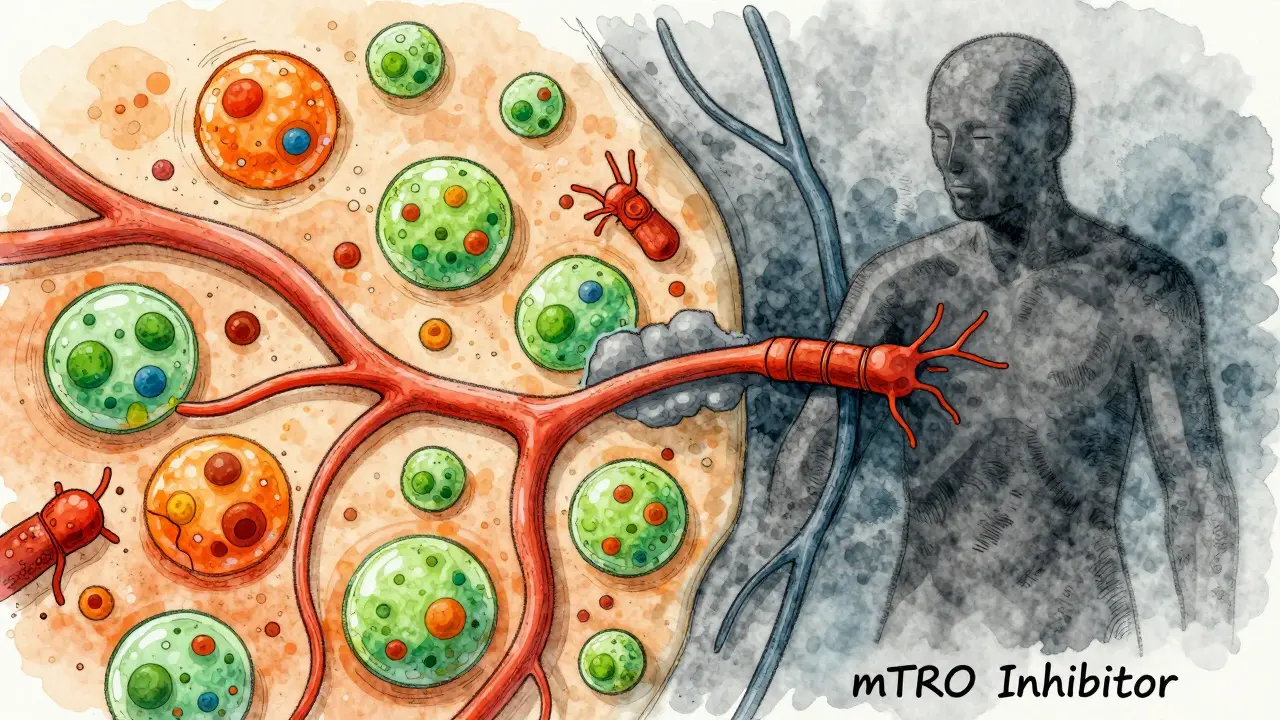
To understand why sirolimus causes issues with cuts, incisions, or grafts, we have to look at what it actually does inside your body. Sirolimus belongs to a class of drugs called mTOR inhibitors. These drugs target the mammalian target of rapamycin (mTOR), a protein that acts as a master switch for cell growth and division.
When you get a cut, your body needs cells to multiply rapidly to close the gap. Fibroblasts build new tissue, and endothelial cells create new blood vessels through a process called angiogenesis. Sirolimus hits the brakes on these processes. By blocking mTOR, it stops fibroblasts from proliferating and reduces the production of vascular endothelial growth factor (VEGF).
Without enough VEGF, your body struggles to form the new capillaries needed to feed the healing tissue. A 2007 study published in PubMed demonstrated this clearly. In rat models, therapeutic doses of sirolimus reduced wound breaking strength significantly. The collagen deposition-the structural glue holding the wound together-was also decreased. Essentially, the wound stays weaker for longer because the building blocks aren’t being produced at the normal rate.
Here is the tricky part: sirolimus concentrations in wound fluid can be two to five times higher than in your blood. So, even if your blood levels look safe, the local environment at the surgical site might be heavily suppressed. This explains why some patients experience delayed healing even when their overall medication dosage seems standard.
The Myth vs. Reality of Surgical Complications
For years, the medical community treated sirolimus with extreme suspicion regarding surgery. Early studies reported high rates of wound dehiscence (the reopening of a wound) and lymphoceles (fluid collections). Because of this, many transplant centers adopted a blanket rule: never start sirolimus during the first week after major surgery.
However, recent perspectives suggest this fear may have been overstated. Dr. Abdul Al-Ghamdi and colleagues described earlier concerns as "old myths" that are being replaced by "new realities." Clinical experience has evolved. We now know that wound complications are not inevitable; they are manageable if you select the right patients and manage the drug correctly.
A pivotal study from the Mayo Clinic, led by Dr. Mabood Khalil, looked specifically at dermatologic surgery in transplant recipients. They found that while postoperative infections were slightly higher in the sirolimus group (19.2% versus 5.4% in controls), the difference was not statistically significant. More importantly, wound dehiscence rates were low across the board. This suggests that for smaller, superficial procedures, sirolimus might not pose the catastrophic risk once feared.
The key takeaway? Context matters. Major abdominal surgeries carry different risks than minor skin excisions. Blanket avoidance is no longer the gold standard. Instead, individualized risk assessment is taking over.
| Risk Factor | Impact on Wound Healing | Modifiable? |
|---|---|---|
| High BMI (Obesity) | Increases odds ratio for wound problems significantly due to poor vascularity in fatty tissue. | Partially (Long-term weight management) |
| Diabetes | Impairs immune response and blood flow, compounding sirolimus effects. | Yes (Blood sugar control) |
| Smoking | Constricts blood vessels, reducing oxygen delivery essential for healing. | Yes (Cessation recommended 4+ weeks prior) |
| Nutritional Status | Protein-energy malnutrition prevents collagen synthesis. | Yes (Pre-op nutritional optimization) |
| Sirolimus Trough Levels | Higher levels correlate with greater suppression of cell proliferation. | Yes (Dose adjustment or temporary hold) |
Timing Is Everything: When to Start or Stop
If you are undergoing a transplant, the timing of sirolimus initiation is the most debated topic among surgeons. The traditional approach was conservative: wait 7 to 14 days post-surgery before starting the drug. This allowed the initial inflammatory phase of healing to complete without interference.
However, newer guidelines from the American Society of Transplantation (2021) recommend a more nuanced strategy. Instead of fixed timelines, doctors should look at specific surgical factors. For example, if the surgery was clean and primary closure was achieved easily, some centers now feel comfortable starting sirolimus earlier, provided other risk factors are controlled.
What about stopping the drug for non-transplant surgeries? If you are already on sirolimus and need an elective procedure, many experts advise holding the medication for a few days before and after the surgery. The goal is to let your trough levels drop below a critical threshold. Some studies suggest maintaining trough levels below 4-6 ng/mL during the first 30 postoperative days minimizes complications while still preventing organ rejection.
Never stop or adjust your immunosuppressants on your own. The risk of acute rejection is far more dangerous than a delayed-healing stitch. Always coordinate with your transplant team and surgeon to create a perioperative plan.
Optimizing Your Body Before Surgery
You cannot change the biology of sirolimus, but you can optimize your body’s resilience. Think of wound healing as a team effort. If sirolimus is benching one player (fibroblast proliferation), you need the rest of the team (nutrition, blood flow, immune function) to perform at peak capacity.
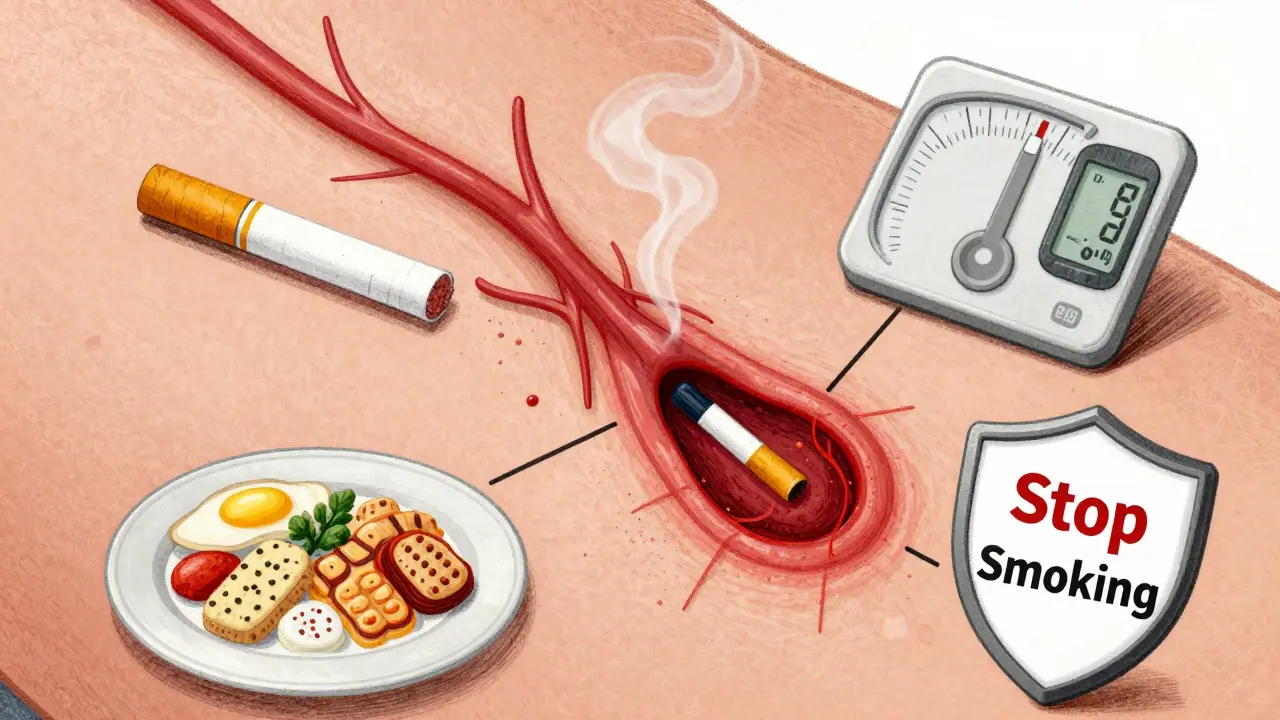
First, address your weight. Body Mass Index (BMI) is a strong predictor of wound complications. Fat tissue has poor blood supply, making it harder for healing signals to reach the area. If you are overweight, even modest weight loss before surgery can improve outcomes.
Second, quit smoking. Nicotine constricts blood vessels, which is disastrous when you are already suppressing angiogenesis with sirolimus. Aim to stop at least four weeks before any planned procedure.
Third, control your blood sugar. Diabetes impairs white blood cell function and collagen formation. Uncontrolled glucose levels combined with sirolimus create a perfect storm for infection and dehiscence.
Finally, focus on nutrition. Protein is the building block of tissue. Ensure you are getting adequate protein intake pre-operatively. Malnutrition is a modifiable risk factor that many patients overlook.
Monitoring and Red Flags After Surgery
After your procedure, vigilance is key. Because sirolimus masks some signs of inflammation, a wound might look calm on the surface while struggling underneath. Watch for these specific warning signs:
- Separation of edges: If the wound starts to gape open, seek immediate care. This is dehiscence.
- Persistent redness or warmth: Even if there is no pain, increased heat around the incision can signal infection.
- Fluid buildup: Lymphoceles are common with sirolimus. A soft, swelling lump near the incision site needs drainage.
- Delayed scabbing: If the wound remains moist or raw longer than expected, your healing process is likely suppressed.
Your medical team may monitor your sirolimus trough levels more frequently in the weeks following surgery. Keeping these levels in the lower therapeutic range can strike a balance between protection and healing.
Alternatives to Consider
If your risk profile is too high for sirolimus, or if you have experienced severe wound complications in the past, discuss alternatives with your specialist. Calcineurin inhibitors like tacrolimus and cyclosporine are the standard alternatives. They do not inhibit mTOR, so they generally support better wound healing.
However, these drugs come with their own trade-offs. They are nephrotoxic, meaning they can damage the kidneys over time. For patients with existing kidney issues or high cancer risk, sirolimus might still be the lesser of two evils. Mycophenolate mofetil is another option, though it has its own side effect profile including gastrointestinal distress.
The choice depends on your unique health history. There is no one-size-fits-all answer in transplant medicine.
How long does sirolimus stay in your system after stopping?
Sirolimus has a half-life of approximately 60 hours. It typically takes about 5 to 7 days for the drug to clear completely from your bloodstream after discontinuation. However, its biological effects on cell signaling may persist slightly longer, which is why surgeons often recommend holding the drug for several days before and after surgery.
Can I take sirolimus for minor dental procedures?
Generally, yes. Minor dental work usually does not require stopping sirolimus. The oral mucosa heals differently than skin, and the risk of serious complications is low. However, always inform your dentist that you are on an mTOR inhibitor, as they may prescribe prophylactic antibiotics to prevent infection.
Does sirolimus affect scar formation?
Yes, sirolimus can alter scar formation. By inhibiting fibroblast proliferation, it may lead to thinner, weaker scars initially. Over time, the scar may mature normally, but the early stages of remodeling are slower. In some cases, this can result in wider or more noticeable scars if the wound is under tension.
What is the ideal trough level for sirolimus during recovery?
While targets vary by patient, many clinicians aim for a lower trough level of 4-6 ng/mL during the first month post-surgery. This range provides sufficient immunosuppression to prevent rejection while minimizing the antiproliferative effects that hinder wound healing. Long-term maintenance levels are often higher.
Are there supplements that help counteract sirolimus-induced poor healing?
There are no proven supplements that directly reverse the mechanism of sirolimus. However, optimizing general healing factors helps. Vitamin C supports collagen synthesis, and zinc plays a role in cell division. Adequate protein intake is crucial. Always check with your doctor before adding supplements, as some can interact with immunosuppressants.

Amrithaa Thayaparan, July 7, 2026
the whole concept of 'healing' is such a fragile human construct isn't it? we think we can control biology with little pills but really we are just playing god with our own cells. sirolimus doesnt just slow healing it strips away the illusion of invincibility we cling to. its poetic in a way how the drug that saves your kidney might destroy your skin. very pretentious of me i know but thats how i see it. the body knows what its doing even when we try to stop it. why do we fight nature so much? maybe the wound wants to stay open. maybe it has something to say. deep thoughts only.
Paul Diamond, July 8, 2026
The dichotomy between preservation of organ function and the integrity of somatic repair presents a profound ethical and physiological dilemma. While the pharmacological efficacy of sirolimus in preventing rejection is well-documented, its antiproliferative properties necessitate a rigorous re-evaluation of perioperative protocols. One must consider whether the immediate benefit of immunosuppression outweighs the long-term consequences of impaired tissue regeneration. It is not merely a question of timing but of philosophical alignment with the body's natural restorative processes. We impose chemical constraints upon biological freedom, expecting harmony where there is only suppression. This tension defines modern transplant medicine.
Peter Sverla, July 9, 2026
I've been reading up on this because my brother is getting a transplant soon and I'm trying to understand everything. The part about trough levels dropping below 4-6 ng/mL makes sense logically but I wonder if that's enough protection against rejection during that window. Does anyone know if there are specific monitoring schedules that work best for holding the drug? I feel like I need to know exactly what questions to ask his surgeon so I don't seem clueless at the next appointment.
Ellen Zeman, July 11, 2026
hey everyone lets remember that every body is different and there is no shame in needing extra help with healing! i always tell my friends that nutrition is key and if you are struggling with protein intake please dont hesitate to ask for support from your care team. we are all in this together and small steps like quitting smoking or eating better can make a huge difference. you got this! keep shining bright and trust your doctors they want you to heal too. love and light to all the transplants out there!
Mark Smalley, July 13, 2026
I completely agree with the emphasis on individualized care; however, I would gently suggest that the psychological impact of delaying surgery due to fear of complications is also significant. Patients often feel anxious about every bump and bruise, wondering if it is a sign of failure. It is important for medical teams to provide reassurance alongside clinical data. Open communication helps bridge the gap between scientific facts and patient peace of mind. Let us continue to support each other through these challenging times.
Sherrie Trecker, July 15, 2026
Actually, the idea that sirolimus is 'gentle' on kidneys is highly debatable when you consider the long-term fibrotic changes that can occur in other tissues. Furthermore, suggesting that wound dehiscence rates are 'low across the board' ignores the severe cases that make headlines. I had a friend who lost her entire incision line because her doctor followed these 'nuanced guidelines' too loosely. It was a nightmare. Don't let the statistics fool you into thinking it is safe. It is a gamble every single time.
rob van oudernallern, July 15, 2026
yeah i totally get what u mean about the timing being tricky. i think most people just wanna get it over with but ur right about listening to the doc. good info here thanks for sharing.