
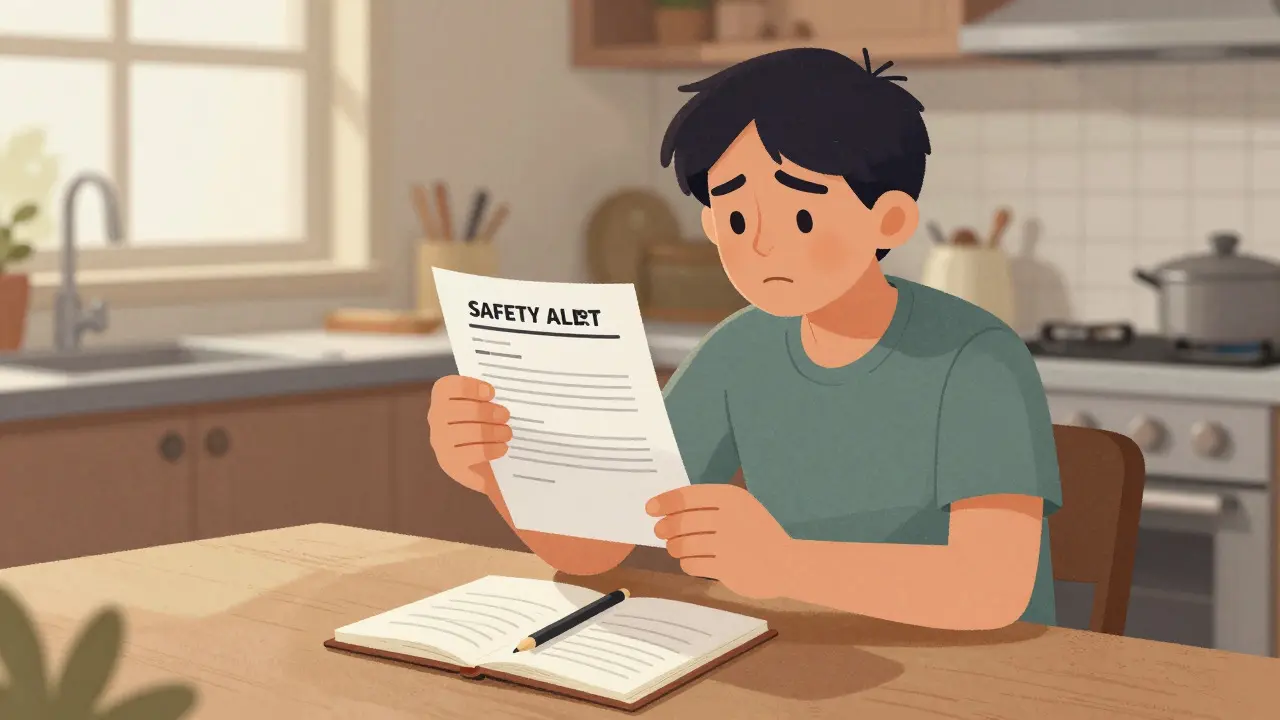
Imagine you just received an official alert. It could be a notice from your employer about a potential chemical exposure, a letter from the FDA regarding a medical device recall, or a public health warning about a local disease outbreak. The immediate reaction is often anxiety, but the most critical step isn't panic-it's action. Specifically, it’s knowing exactly how to monitor your body for signs that something has gone wrong.
Symptom monitoring after a safety communication is not just about checking if you feel sick. It is a structured process designed to catch early warning signs before they become serious health crises. Whether you are a healthcare worker exposed to a virus, a patient with a recalled implant, or someone living in an area with environmental hazards, understanding this process can mean the difference between a minor issue and a major emergency.
Understanding Active vs. Passive Monitoring
The first thing you need to know is that there are two main ways to track your health after a safety alert: active and passive monitoring. These aren't just fancy terms; they dictate how much effort you need to put in and who is responsible for checking on you.
Active monitoring means someone else-usually a health institution, employer, or government agency-is doing the heavy lifting. They will contact you at least once a day via phone, text, or app to ask how you are feeling. This is common for high-risk exposures, such as close contact with a highly contagious pathogen like Ebola or smallpox, or significant occupational hazards. According to guidelines from the Centers for Disease Control and Prevention (CDC), active monitoring is mandatory for high and medium-risk exposures because it reduces the chance of people showing up to work while symptomatic, a phenomenon known as presenteeism.
Passive monitoring, also called self-monitoring, puts the responsibility squarely on your shoulders. You track your own symptoms and only report them if something goes wrong. This is typical for low-risk situations or when resources are stretched thin. While it feels less intrusive, it requires more discipline. You need to know what to look for and when to speak up.
If your safety communication didn't specify which type applies to you, assume passive monitoring until clarified, but lean toward active behaviors like daily check-ins with yourself.
What Exactly Should You Be Tracking?
Vague feelings of "not being right" are hard to act on. To monitor effectively, you need specific metrics. The World Health Organization (WHO) and other health bodies emphasize that effective monitoring relies on clear definitions. Here is what you should include in your daily checks:
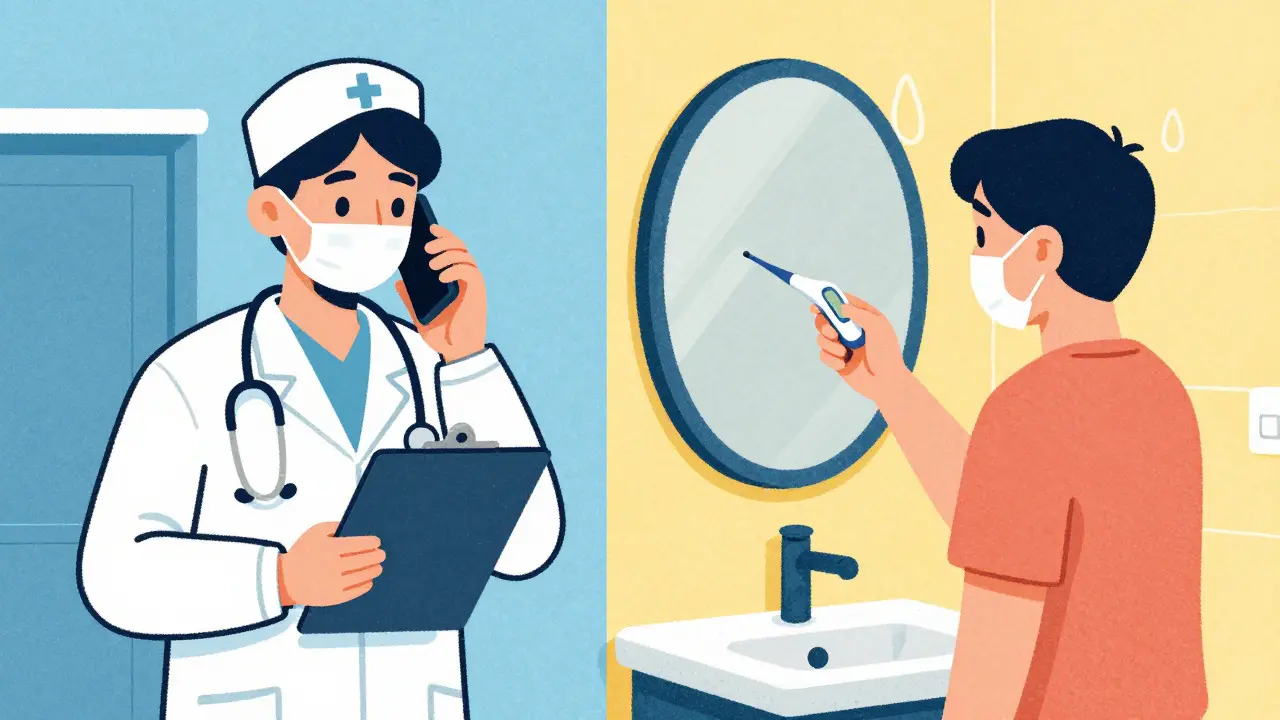
- Vital Signs: Temperature is the big one. A fever over 100.4°F (38°C) is a universal red flag. If you have a home blood pressure cuff, note any sudden spikes or drops, especially if the alert relates to cardiovascular devices or stress-related exposures.
- Respiratory Symptoms: Cough, shortness of breath, or wheezing. These are critical for airborne disease outbreaks or inhalation hazards.
- Dermatological Changes: Rashes, hives, or swelling. This is particularly important for drug recalls or chemical exposures.
- Neurological Signs: Headaches, dizziness, confusion, or muscle weakness. These can indicate toxin exposure or severe systemic reactions.
- Gastrointestinal Issues: Nausea, vomiting, or diarrhea, which may signal foodborne illnesses or certain toxic exposures.
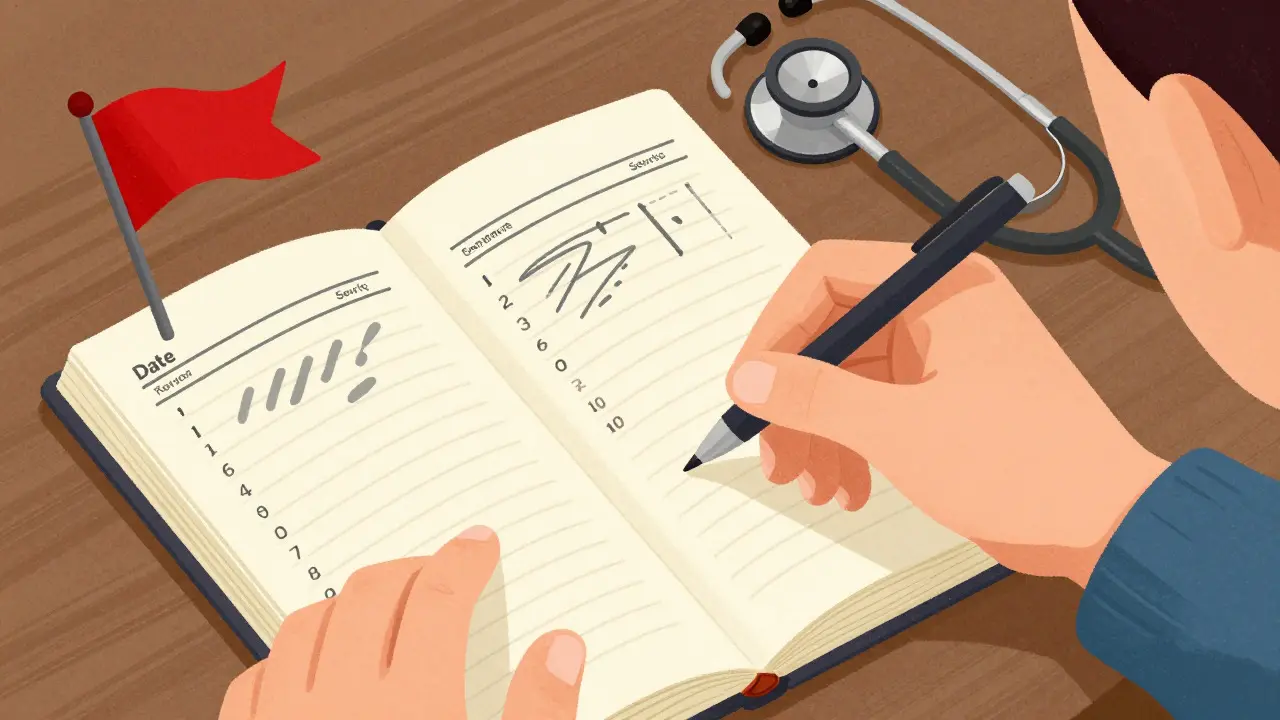
Don't rely on memory. Write these down. A simple notebook or a digital note works fine. The key is consistency. Check at the same time each day to establish a baseline for your normal state.
Tools for Effective Symptom Tracking
You don't need expensive software to do this right, but the right tools can make a huge difference. During the pandemic, the market for symptom monitoring exploded, and many lessons were learned about what works and what doesn't.
Paper-Based Logs: For many, a simple printed checklist is the most reliable method. It doesn't run out of battery, doesn't require Wi-Fi, and is easy to hand to a doctor during an appointment. The CDC found that standardized paper checklists reduced miscommunication errors by 53% compared to free-text reporting. Create a table with columns for Date, Time, Temperature, Specific Symptoms, Severity (0-10 scale), and Action Taken.
Digital Apps: Smartphone apps offer convenience and automated reminders. Systems like the CDC's v-safe platform use daily text messages to prompt users to log symptoms. However, be cautious. A 2021 report noted that 67% of symptom tracking apps lacked proper privacy compliance features. If you use an app, check its privacy policy. Does it sell data? Is it HIPAA-compliant? Also, consider accessibility. Older adults often struggle with complex interfaces, requiring assistance to use digital tools effectively.
EHR Integration: If you are part of a large organization or healthcare system, your symptoms might be tracked through an Electronic Health Record (EHR) portal. Tools integrated into systems like Epic or Cerner can automatically alert clinicians if your reported symptoms cross certain thresholds. This is the gold standard for accuracy but depends on your institution's infrastructure.
When to Escalate: Recognizing Red Flags
Monitoring is useless if you don't know when to act. Waiting too long can turn a manageable condition into a crisis. Most safety communications should provide an escalation protocol, but if they don't, follow these general rules:
- Immediate Emergency Care: Seek help now if you experience difficulty breathing, chest pain, severe allergic reactions (swelling of the throat/tongue), loss of consciousness, or seizures.
- Same-Day Medical Attention: Contact your provider if you develop a high fever, persistent vomiting, new rash spreading rapidly, or symptoms that significantly interfere with daily activities.
- Report Within 24 Hours: For mild symptoms like a slight headache, low-grade fever, or minor fatigue, log them and monitor closely. If they persist or worsen over 24 hours, seek care.
The Agency for Healthcare Research and Quality (AHRQ) recommends using the SBAR framework (Situation, Background, Assessment, Recommendation) when calling a doctor. Tell them: "I was exposed to [X] on [Date]. I am experiencing [Symptoms]. My temperature is [Value]. I would like advice on next steps." This structure increases reporting accuracy and helps doctors triage you faster.
Navigating Workplace and Regulatory Requirements
If your safety communication came from an employer or regulatory body, there are legal and procedural layers to consider. The Occupational Safety and Health Administration (OSHA) requires employers to maintain medical surveillance records for occupational exposures for up to 30 years. This means your symptom logs might become part of a permanent record.
For medical device issues, the Food and Drug Administration (FDA) mandates that manufacturers implement post-market surveillance protocols. If you have a recalled device, ensure you are registered with the manufacturer's monitoring program. Failure to monitor can sometimes void warranties or complicate liability claims later.
In the workplace, "alert fatigue" is real. Employees often receive too many notifications, leading to ignored warnings. If you are managing your team's monitoring, keep communications concise. Focus on the five Ws: Who needs to monitor, What symptoms to track, When to report, Where to seek care, and Why it matters. Institutions that fail to clarify these points see significantly higher rates of missed symptoms and presenteeism.
Common Pitfalls to Avoid
Even with the best intentions, people make mistakes in symptom monitoring. Here are the most common errors and how to avoid them:
- Ignoring Mild Symptoms: Small changes can be early indicators of severe conditions. Don't dismiss a "weird" feeling. Log it anyway.
- Inconsistent Timing: Checking your temperature at 8 AM one day and 8 PM the next makes trends hard to spot. Stick to a schedule.
- Over-reliance on Memory: Human memory is flawed. If you don't write it down, it didn't happen, medically speaking.
- Privacy Neglect: Be wary of sharing sensitive health data on unsecured platforms. Use password-protected notes or trusted medical portals.
- Lack of Context: Always note recent activities, meals, or exposures alongside symptoms. This context helps doctors diagnose the cause.
Finally, remember that symptom monitoring is a temporary measure. Once the risk period passes-whether that's the incubation period of a virus or the clearance of a toxin-you can return to normal routines. But during that window, vigilance is your best defense.
How long should I monitor my symptoms after a safety communication?
The duration depends on the specific risk. For infectious diseases, monitor for the maximum incubation period (e.g., 14 days for many viruses). For chemical or device exposures, follow the timeline specified in the safety alert, which may range from a few weeks to several months. If no timeline is given, consult a healthcare provider for personalized guidance.
Is passive monitoring safe for everyone?
Passive monitoring is generally safe for low-risk exposures and healthy individuals. However, high-risk groups (elderly, immunocompromised, pregnant women) or those with high-severity exposures should opt for active monitoring where possible. If you live alone or have limited access to healthcare, consider asking a friend or family member to check in on you daily.
What if I miss a day of monitoring?
Don't panic. Resume monitoring immediately and note the gap in your log. If you suspect you had symptoms during the missed day but aren't sure, err on the side of caution and seek medical advice, especially if the risk is high.
Can I use any smartphone app for symptom tracking?
While many apps exist, not all are reliable or secure. Look for apps recommended by health authorities (like the CDC's v-safe) or those integrated with your healthcare provider's system. Check reviews for privacy concerns and ease of use. Simple, manual logging is often safer than unknown third-party apps.
Who do I report my symptoms to?
This depends on the source of the safety communication. For workplace exposures, report to your occupational health department or supervisor. For public health alerts, report to your primary care physician or local health department. For medical device issues, contact the manufacturer's support line and your doctor.