
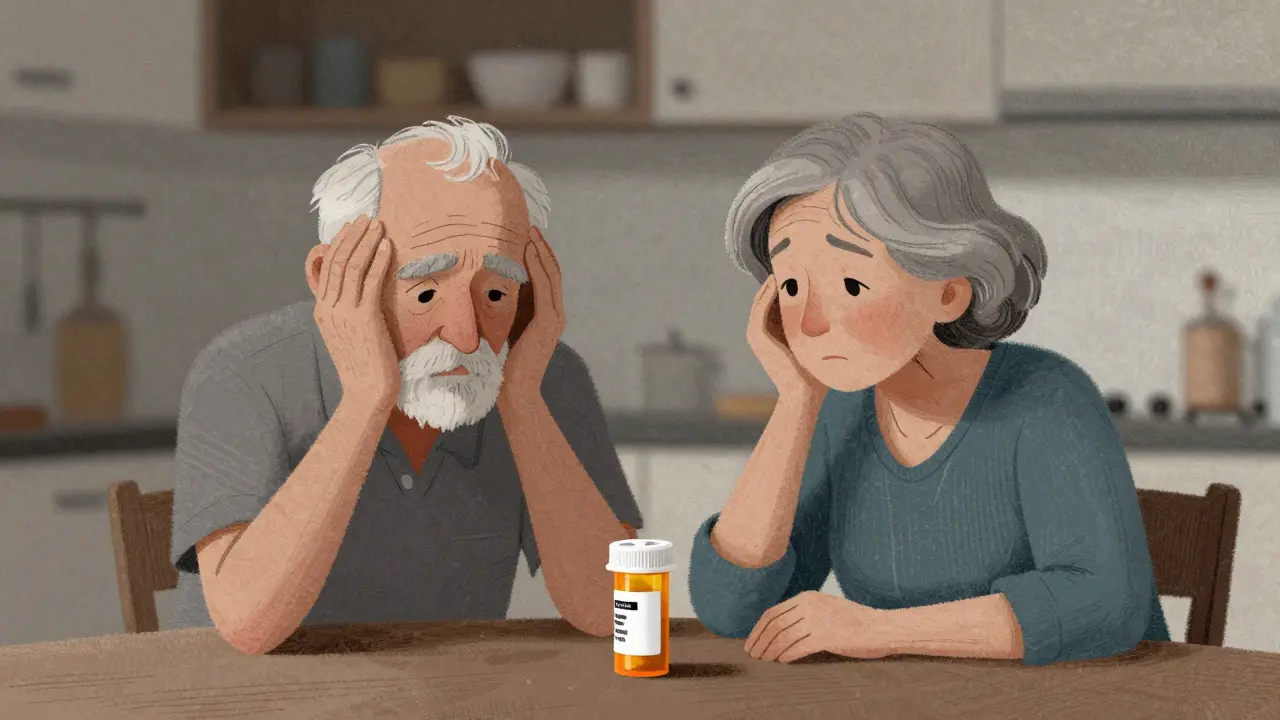
Imagine you are caring for a loved one whose memory is fading. They become agitated, paranoid, or aggressive. It is exhausting. You want them to be safe, and you want them to be calm. A doctor might suggest an antipsychotic medication to help manage these difficult behaviors. It sounds like a reasonable solution. But there is a heavy price tag attached to this relief that many families do not fully understand until it is too late.
The core problem is stark: antipsychotics significantly increase the risk of stroke and death in seniors with dementia. This is not a minor side effect note buried in the fine print. It is a major health warning that has been known for over two decades. Yet, these drugs continue to be prescribed. Why? Because managing severe behavioral symptoms can feel impossible without them. This article breaks down exactly what the risks are, why they happen, and what alternatives actually work so you can make informed decisions for your loved one.
The Black Box Warning: More Than Just Paperwork
In 2005, the U.S. Food and Drug Administration (FDA) issued its strongest possible warning-the black box warning-for all antipsychotic medications used in elderly patients with dementia-related psychosis. This warning was based on data from seventeen placebo-controlled trials. The results were alarming. Patients taking these drugs had a 1.6 to 1.7 times higher risk of death compared to those taking a sugar pill.
This applies to both first-generation antipsychotics (FGAs), also known as typical antipsychotics, and second-generation antipsychotics (SGAs), or atypical antipsychotics. While SGAs are often marketed as having fewer side effects, the mortality risk remains high for both classes when used in this specific population. The warning explicitly states that elderly patients with dementia-related psychosis treated with atypical antipsychotic drugs are at an increased risk of death.
| Feature | First-Generation (Typical) | Second-Generation (Atypical) |
|---|---|---|
| Examples | Haloperidol, Chlorpromazine | Risperidone, Quetiapine, Olanzapine |
| Stroke Risk | High, especially long-term use | High, immediate risk even with brief exposure |
| Mortality Ratio | 1.6x - 1.7x higher than placebo | 1.6x - 1.7x higher than placebo |
| Metabolic Side Effects | Lower risk | Higher risk (weight gain, diabetes) |
| Guideline Status | Avoided per Beers Criteria | Avoided per Beers Criteria |
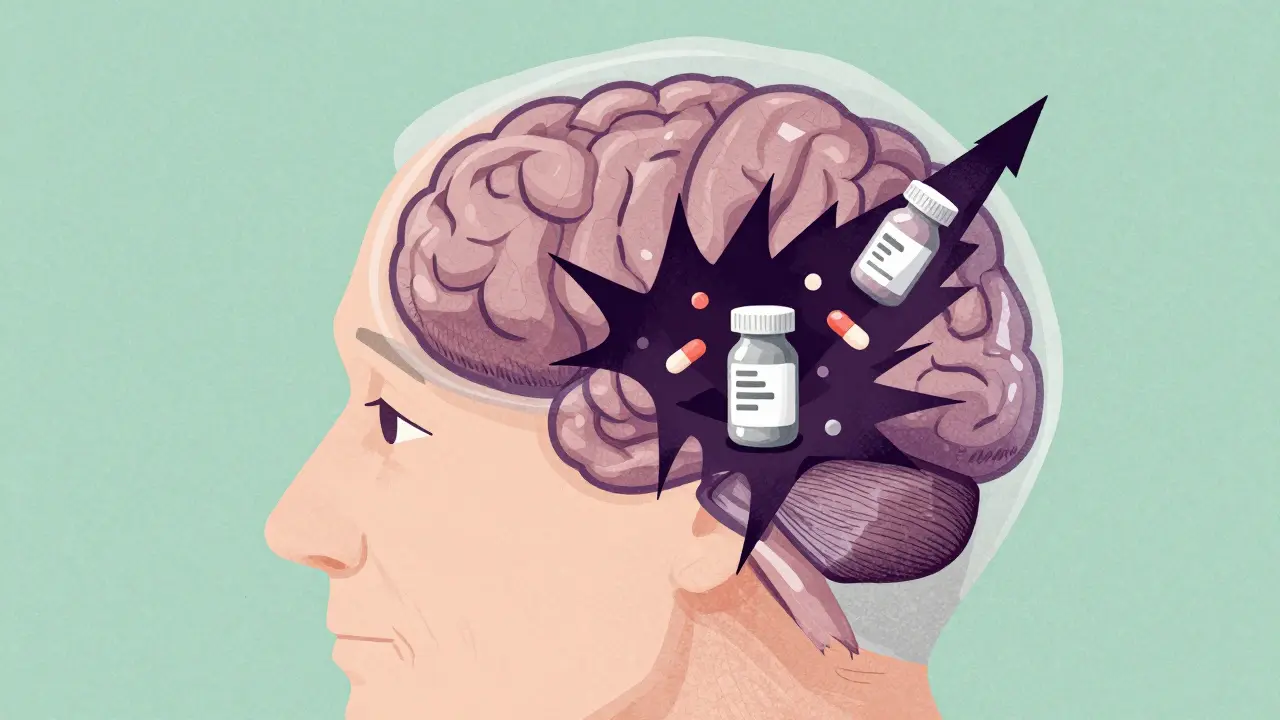
Why Do Antipsychotics Cause Strokes?
You might wonder how a pill meant to calm the brain can cause a physical event like a stroke. The mechanism is complex but involves several physiological pathways. Research published in the American Journal of Epidemiology highlights three main culprits:
- Orthostatic Hypotension: These drugs can cause a sudden drop in blood pressure when standing up. In seniors, whose blood vessels may already be stiff, this reduces blood flow to the brain, increasing the chance of ischemic events.
- Metabolic Syndrome: Particularly with second-generation agents, these drugs can alter metabolism, leading to weight gain, high blood sugar, and cholesterol issues. These factors are well-known contributors to cardiovascular disease and stroke.
- Neurotransmitter Disruption: Antipsychotics block dopamine receptors. Dopamine helps regulate cerebral blood flow. Disrupting this system can impair the brain's ability to maintain stable circulation, making it more vulnerable to clots or bleeds.
A study by the American Heart Association (2012) using Veterans Affairs data found something particularly concerning: the risk of stroke increases even after brief exposure. For years, some clinicians believed that short-term use was safe. This data shattered that assumption. After adjusting for other factors, the odds of stroke were 1.8 times higher in patients exposed to antipsychotics compared to those who were not. The older the patient, the stronger this triggering effect became.
Typical vs. Atypical: Is One Safer?
Families often ask if switching to a "newer" drug makes a difference. The answer is nuanced. A systematic review in Neurology (2023) analyzed five observational studies comparing the two classes. Four of these studies found that long-term use (more than 90 days) of first-generation antipsychotics conferred a greater risk of cerebrovascular events than atypical antipsychotics.
However, this does not mean atypicals are safe. It just means FGAs might be worse over the long haul. For short-term use, the difference in risk between the two classes is less clear. Some studies show no significant difference in short-term stroke rates between the groups. Furthermore, Johns Hopkins researchers noted that while strokes partially explain the higher mortality rate in FGA users, cognitive deterioration itself could be a prodrome (early sign) of undetected ischemia. This means the worsening behavior that leads to prescribing the drug might already be a symptom of underlying vascular damage, complicating the cause-and-effect relationship.
The Reality of Prescribing: Why Doctors Still Use Them
If the risks are this high, why are these drugs still prescribed? The reality is that Behavioral and Psychological Symptoms of Dementia (BPSD) are incredibly difficult to manage. Agitation, aggression, and hallucinations can endanger the patient and their caregivers. When non-drug methods fail, doctors face a moral dilemma: allow dangerous behavior or prescribe a drug that carries a risk of stroke and death.
The American Geriatrics Society’s Beers Criteria, a widely respected list of potentially inappropriate medications for older adults, explicitly recommends avoiding antipsychotics for treating neuropsychiatric symptoms of dementia. Despite this guideline, usage persists in nursing homes and community settings. A 2020 study in PMC found that antipsychotic use was associated with increased all-cause mortality in veterans with dementia, regardless of whether they had preexisting serious mental illness. The addition of these drugs further elevated the mortality risk attributable to dementia itself.
Clinicians often cite the lack of effective alternatives as the reason for continuing prescriptions. However, experts like Dr. Devine and Dr. Memon argue that duration matters. They suggest that if these drugs must be used, it should be for the shortest time possible, as long-term use amplifies the cerebrovascular risk, particularly with typical antipsychotics.

Safer Alternatives to Medication
Before reaching for a prescription pad, comprehensive non-pharmacological strategies should be exhausted. These approaches address the root causes of agitation rather than suppressing the symptoms chemically.
- Environmental Modification: Reduce noise, clutter, and bright lights. Create a calm, predictable routine. Many seniors with dementia agitate because they feel overwhelmed or confused by their surroundings.
- Pain Management: Often, what looks like aggression is actually pain. Seniors with dementia may not be able to verbalize discomfort. Check for untreated infections, constipation, arthritis, or dental issues.
- Validation Therapy: Instead of correcting false beliefs, validate the emotion behind them. If a resident thinks they need to go home to their deceased parents, arguing facts causes distress. Acknowledging their sadness builds trust and calms the nervous system.
- Music and Reminiscence: Personalized music playlists have been shown in multiple studies to reduce agitation and improve mood without any chemical side effects.
- Physical Activity: Regular walking or gentle exercise can burn off excess energy and reduce restlessness.
What Should You Do If Your Loved One Is Prescribed Antipsychotics?
If a doctor suggests an antipsychotic, you have the right to ask hard questions. Here is a checklist for your conversation:
- Have we ruled out physical causes like pain, infection, or urinary retention?
- Can we try a trial period of non-drug interventions first?
- If medication is absolutely necessary, what is the lowest effective dose?
- What is the plan to taper off the medication once the crisis passes?
- Are we monitoring for signs of stroke, such as sudden weakness, speech difficulties, or facial drooping?
Remember, the goal is not just to stop the behavior, but to keep the person alive and healthy. The FDA warning exists for a reason. While there may be rare cases where the immediate danger of violence outweighs the statistical risk of stroke, this should be the exception, not the rule. Always seek a second opinion if you feel pressured into accepting these medications without exploring every other option.
Do all antipsychotics carry the same stroke risk for dementia patients?
Yes, both first-generation (typical) and second-generation (atypical) antipsychotics carry a significant risk of stroke and increased mortality in elderly patients with dementia. The FDA black box warning applies to all antipsychotics in this context. While some studies suggest long-term use of typical antipsychotics may pose a slightly higher cerebrovascular risk than atypicals, the overall danger remains high for both classes, especially considering that even brief exposure can trigger adverse events.
What are the early signs of a stroke in someone with dementia?
Signs include sudden confusion (worse than baseline), trouble speaking or understanding speech, vision problems in one or both eyes, difficulty walking, dizziness, loss of balance, and severe headache with no known cause. In dementia patients, a sudden worsening of behavioral symptoms or a rapid decline in function can sometimes be the only indicator of a silent or minor stroke.
Is it ever safe to use antipsychotics for dementia-related aggression?
It is generally considered unsafe due to the high risk of death and stroke. However, in extreme cases where there is an immediate threat to the safety of the patient or others, and all non-pharmacological methods have failed, a doctor might prescribe a low dose for the shortest duration possible. This decision requires careful weighing of risks versus benefits and close monitoring. It should never be a long-term solution.
How long does it take for the stroke risk to decrease after stopping antipsychotics?
The risk reduction timeline varies by individual, but studies indicate that the elevated risk is closely tied to active exposure. Once the medication is tapered and discontinued, the direct pharmacological triggers for orthostatic hypotension and metabolic disruption begin to resolve. However, any underlying vascular damage sustained during use remains. Tapering should always be done under medical supervision to avoid withdrawal symptoms.
What is the Beers Criteria recommendation for antipsychotics in seniors?
The American Geriatrics Society Beers Criteria explicitly recommends avoiding antipsychotics for the treatment of neuropsychiatric symptoms of dementia. This is due to the well-documented association with increased mortality and cerebrovascular events. The criteria advocate for non-pharmacological interventions as the first line of defense against behavioral and psychological symptoms of dementia (BPSD).