
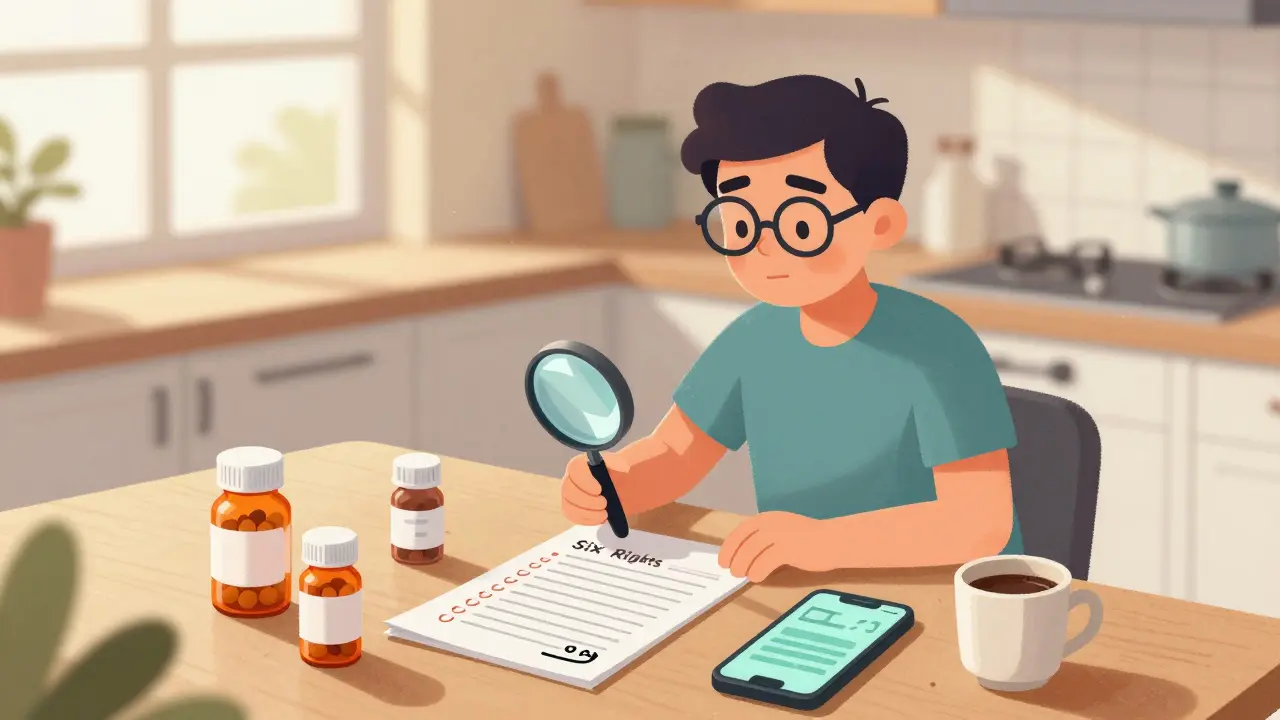
Starting a new medication can feel overwhelming. One pill in the morning, another at night, maybe a supplement in between - and now you’re told to read labels, check expiration dates, and avoid mixing things you’ve never heard of before. If you’ve never taken prescription meds before, you’re not alone. Millions of people each year are handed a new medication with little more than a printed sheet and a hurried explanation. But here’s the truth: medication safety isn’t about memorizing rules. It’s about building habits that keep you safe - and it’s easier than you think.
Why Medication Safety Matters More Than You Realize
Every year in the U.S., over 1.3 million people end up in the emergency room because of problems with their medications. That’s not rare. That’s common. And nearly half of those cases happen because someone took the wrong dose, mixed drugs they shouldn’t have, or used an expired pill. The good news? Most of these mistakes are preventable. Research from the Agency for Healthcare Research and Quality shows that following basic safety steps can cut your risk of a bad reaction by up to 50%.
It’s not just about hospitals or serious conditions. Even something as simple as taking ibuprofen with blood pressure medicine can raise your risk of kidney damage. Or taking melatonin with an antidepressant might make you drowsy in ways you didn’t expect. These aren’t scary stories - they’re everyday risks that happen because no one told you what to watch for.
The Six Rights of Taking Medication (And How to Use Them)
Healthcare professionals use a simple checklist called the "Six Rights" to prevent errors. You can use it too. Here’s what they mean - and how to apply them to your own routine.
- Right patient: Always double-check your name and date of birth on the prescription label. If the name on the bottle doesn’t match yours, don’t take it - even if it looks familiar.
- Right medication: Compare the pill in your hand to the name on the prescription. If it looks different from last time, ask your pharmacist. Generic versions are safe, but they can look completely different.
- Right dose: Never guess. A teaspoon isn’t the same as a medicine cup. Use only the measuring tool that came with your bottle. Household spoons vary by up to 50% in volume - that’s enough to turn a safe dose into a dangerous one.
- Right route: Is it meant to be swallowed? Applied to the skin? Inhaled? Taking a patch orally or a liquid as a nasal spray can be life-threatening. Read the instructions. If it’s not clear, ask.
- Right time: Some meds work best with food. Others should be taken on an empty stomach. Some need to be taken at the same time every day. Your body has rhythms - and meds do too. Set a phone alarm if you need to.
- Right reason: Know why you’re taking it. If your doctor says "for blood pressure" but the label says "for anxiety," stop and call them. Confusion here leads to mistakes down the line.
Your Medication List: Your Lifeline
Keep a written list - not just in your head, not just on your phone. Write down every single thing you take: prescription drugs, over-the-counter pills, vitamins, herbal supplements, even eye drops or creams. Include the dose and how often you take it.
Why? Because when you go to the doctor, ER, or pharmacy, they need to see everything. A 2022 study found that patients who kept a complete list had 27% fewer medication errors. That’s not a small number. That’s life-changing.
Update it every time you start, stop, or change a medication. Keep a copy in your wallet. Give one to a family member. Make it part of your routine - like checking your wallet before you leave the house.
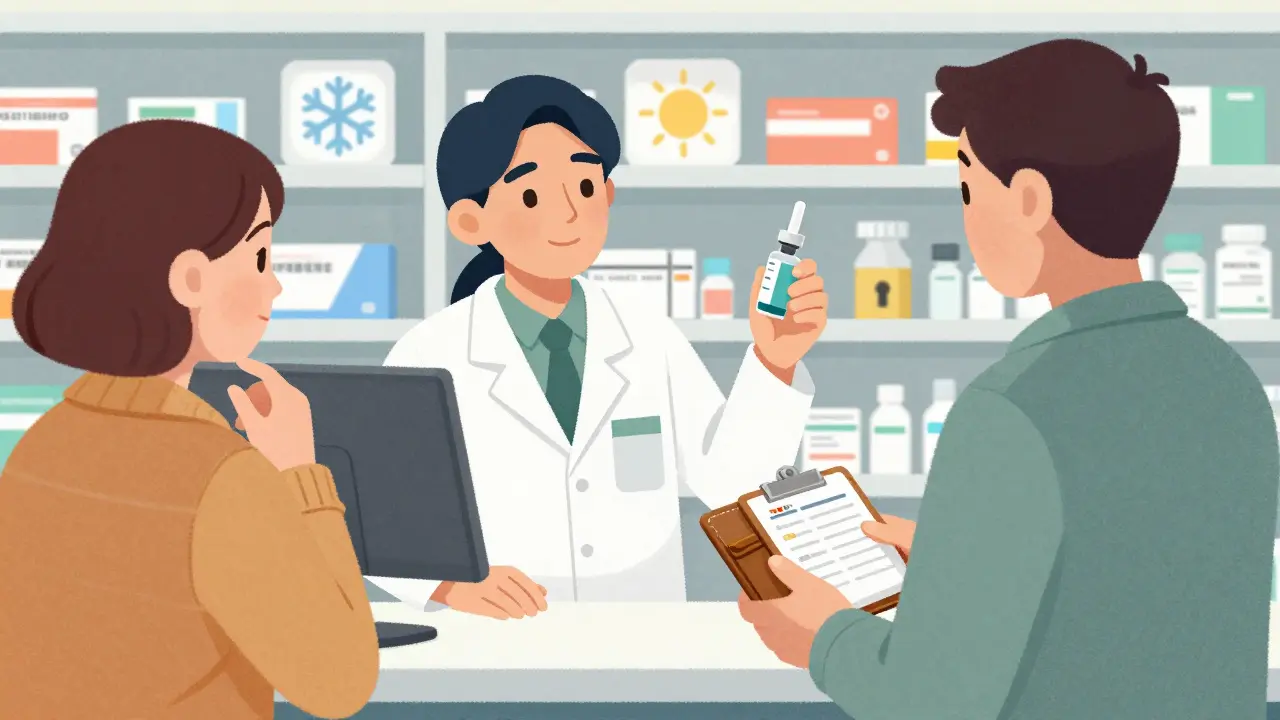
Storage Isn’t Optional - It’s Essential
Not all pills are created equal when it comes to storage. Some need to stay cold. Others need to stay dry. Get it wrong, and your medicine loses its power - or worse, becomes harmful.
- Insulin: Must be refrigerated (36-46°F) until first use. After opening, it can stay at room temperature for about 28 days - check the package.
- Most oral pills: Store below 86°F (30°C) in a dry place. Bathroom cabinets? Too humid. A drawer in your bedroom? Better.
- Liquid antibiotics: These degrade fast. Always check the expiration date. If it’s cloudy or smells off, throw it out.
- Controlled substances: Like opioids or ADHD meds - keep them locked up. Not just for safety, but to prevent accidental use by kids or others.
Expired meds? Don’t flush them. Don’t toss them in the trash. Many pharmacies offer take-back bins. If yours doesn’t, mix them with coffee grounds or cat litter, seal them in a bag, and throw them away. This stops someone else from finding them.
What to Ask Your Pharmacist (And Why It Matters)
Pharmacists are your hidden safety net. They see hundreds of prescriptions a day. They know what interacts with what. But they can’t help you if you don’t ask.
Here are three questions you must ask every time you get a new medication:
- "What should I do if I miss a dose?" - Only 22% of patients ask this. But skipping a dose of blood thinners or insulin can be dangerous. Knowing what to do next keeps you safe.
- "How should I store this?" - 40% of medications have special storage needs. If you don’t ask, you might ruin the whole bottle.
- "What side effects should I watch for?" - Only 65% of pharmacy visits include this conversation. But knowing that nausea, dizziness, or rash could mean trouble lets you act fast.
Studies show patients who ask three or more questions have 34% fewer bad reactions in their first month. That’s not luck. That’s preparation.
Red Flags: What to Never Do
Some habits are dangerous - and surprisingly common.
- Never share your meds. Even if your friend has the same symptom. What works for them might overdose you. This causes 8% of ER visits for drug problems.
- Never take unlabeled pills. If a pill has no name, no number, no instructions - don’t take it. 12% of hospital errors come from unlabeled medications.
- Never ignore changes in appearance. Your new generic version might look different. That’s normal. But if the color, shape, or markings change suddenly without warning - call your pharmacy. Something might be wrong.
- Never take meds in dim light. 15% of errors happen because someone misread the label. Turn on the light. Use your phone flashlight. Don’t guess.
Tools That Actually Help
You don’t need to rely on memory. Technology can help - if you use it right.
- Medication apps: Apps like Medisafe or MyMeds send reminders and let you scan barcodes to confirm you’re taking the right pill. One study found they improved adherence by 28%.
- Smart pill dispensers: These lock pills until the right time, then open and flash a light. Great if you forget doses or get confused.
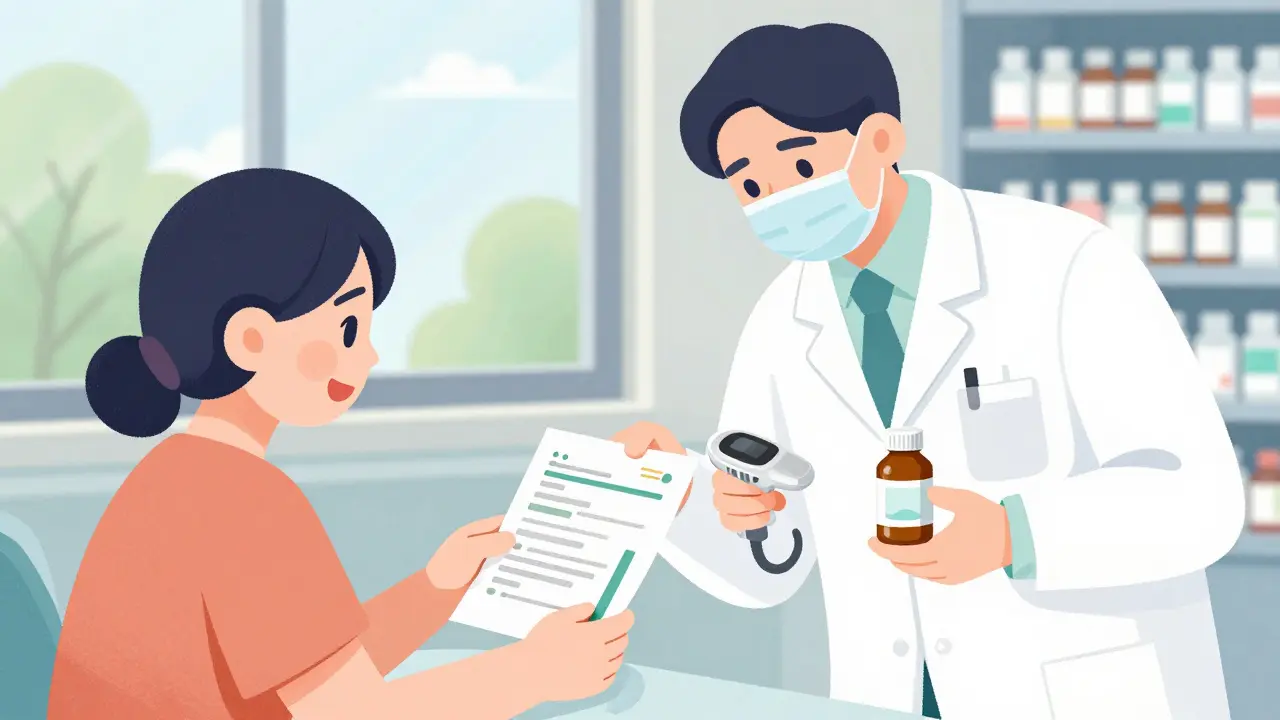
- Barcode scanners at pharmacies: Many pharmacies now scan your prescription and your pill bottle. If something doesn’t match, they’ll stop you. Ask if they offer it.
These aren’t fancy gadgets. They’re tools - like a seatbelt. They don’t replace your attention, but they back it up.
What to Do When You’re Discharged From the Hospital
One of the riskiest times for medication errors is right after leaving the hospital. You’re tired. You’re overwhelmed. You get a stack of papers with new names, new doses, and new instructions.
Here’s what to do:
- Ask for a pharmacist to explain every new med before you leave.
- Bring your updated medication list with you - and hand it to them.
- Ask: "Is this different from what I was taking before?"
- Don’t leave until you understand the schedule. Write it down.
22% of medication errors happen during hospital transitions. You can be part of the 78% who avoid them.
It Gets Easier - But You Have to Start Now
Learning to take meds safely takes time. A University of Michigan study found it takes most people 2-3 weeks to build reliable habits. That’s normal. Don’t beat yourself up if you miss a dose or forget to update your list. Just reset.
Start small: Make your medication list today. Set one phone reminder. Ask your pharmacist one question. That’s enough to begin.
Medication safety isn’t about being perfect. It’s about being aware. It’s about asking questions. It’s about knowing your own body and your own pills. And if you do that - you’re already ahead of most people.
What should I do if I accidentally take the wrong dose?
If you take too much, too little, or the wrong pill, don’t wait. Call your pharmacist or poison control immediately (1-800-222-1222 in the U.S.). Don’t try to guess if it’s serious. Even if you feel fine, some reactions happen hours later. Keep the pill bottle handy - they’ll need the name, dose, and expiration date. If you’re dizzy, having trouble breathing, or passing out, call 911.
Can I crush my pills or open capsules?
Not unless your doctor or pharmacist says it’s okay. Some pills are designed to release slowly. Crushing them can cause too much medicine to hit your system at once. Others are coated to protect your stomach or survive stomach acid. If swallowing is hard, ask for a liquid form instead. Never assume it’s safe to alter your meds.
Are natural supplements safe to take with prescription drugs?
No - not without checking. Garlic, ginkgo, St. John’s wort, and even vitamin E can interfere with blood thinners, antidepressants, and heart meds. A 2023 study found that 40% of patients who took supplements with prescriptions had unexpected side effects. Always tell your pharmacist about every supplement - even if you think it’s "just herbal."
Why do generic pills look different than brand-name ones?
Generics have the same active ingredient and work the same way - but they’re made by different companies. That means different fillers, colors, and shapes. This is normal. But if the pill looks different from your last refill and no one told you - call your pharmacy. You might have received a new generic, or there could be a mix-up.
How do I know if a medication is expired?
Check the expiration date printed on the bottle or box. For liquids, eye drops, or insulin, look for changes in color, smell, or texture. If it’s cloudy, smells strange, or has particles in it - throw it out. The FDA says 18% of medication errors come from expired drugs. When in doubt, ask your pharmacist. They’ll tell you if it’s still safe.


Scott Easterling, March 7, 2026
I've been on 12 different meds in the last 5 years... and I swear, half the time the pharmacy gives me the wrong pill. I once took a blood pressure med thinking it was my anxiety pill... woke up at 3 AM with my heart pounding like a drum. Don't trust anyone. Not the doctor, not the pharmacist, not the label. Always check. Twice. Then check again. And if you're still unsure? Don't take it. Period.
Mantooth Lehto, March 9, 2026
OMG YES. I just started a new antidepressant and my pharmacist didn't even ask if I was on anything else. I had to literally pull out my list like a damn wizard with a scroll. Now I keep it on my fridge with a magnet. Also, I use emojis now: 💊⏰⚠️. It's my new life mantra.
Melba Miller, March 11, 2026
This article is laughably naive. You think writing a list and setting an alarm is enough? You're ignoring the real issue: Big Pharma is designed to confuse you. They change pill colors on purpose. They release generics with different fillers that trigger reactions. They don't want you to know what's really in there. And don't get me started on how the FDA is bought and paid for. You think your 'six rights' matter when your meds are being manufactured in a factory in China with no oversight? Wake up.
Katy Shamitz, March 12, 2026
I'm so glad someone finally said this. I used to roll my eyes at people who asked too many questions... until my mom had a stroke because she took her blood thinner with grapefruit juice. No one told her. No one. Now I ask every pharmacist three questions before I even leave the counter. And if they seem annoyed? Good. That means they're used to lazy patients. Don't be lazy. Your life is worth more than their 15-second script.
Nicholas Gama, March 12, 2026
The 'Six Rights' are kindergarten-level. Real safety requires pharmacokinetic awareness, CYP450 enzyme mapping, and cross-referencing with the Beers Criteria. If you're using a phone app to remind you to take a pill, you're already one step from a medical disaster.
Mary Beth Brook, March 13, 2026
Medication error mitigation requires adherence to the 5R framework with secondary verification via barcode scanning. Any deviation from protocol increases risk exponentially. Your 'list' is anecdotal. Data-driven systems reduce error rates by 42%.
Neeti Rustagi, March 15, 2026
Thank you for this thoughtful and well-researched guide. In India, we often rely on traditional remedies alongside prescribed medications, and I have seen many cases where interactions go unnoticed. I always encourage my family to maintain a written list and to consult with their pharmacist. Knowledge is not just power-it is peace of mind.
Jazminn Jones, March 15, 2026
The entire premise of this article is dangerously oversimplified. You assume patients have access to pharmacists, stable housing, and literacy. What about the elderly on fixed incomes? The undocumented? The homeless? This isn't a 'habit' problem-it's a systemic failure masked as personal responsibility. Your checklist is a Band-Aid on a hemorrhage.
Stephen Rudd, March 17, 2026
I've been taking meds since I was 16. You think the government wants you to be safe? They want you dependent. They want you confused. That's why they change the pill shapes every six months. I once took a white oval for a year before realizing it was supposed to be blue and round. I didn't find out until I had a seizure. Don't trust the system. Trust yourself. And if you're not paranoid, you're not paying attention.
Erica Santos, March 17, 2026
So let me get this straight. The solution to a system designed to kill people quietly is... to ask three questions? How quaint. Next you'll tell us to wash our hands before eating. I'm not impressed. You're handing out safety tips like they're party favors at a birthday party for the dying.
George Vou, March 17, 2026
i just took my pill and then i realized i had no idea what it was for. i think it was for cholesterol? or was it for my knee? i dont remember. now im scared. i think i might have taken the wrong one. i hope i didnt. i dont even know who to call.
Dan Mayer, March 19, 2026
I used to be one of those people who forgot to take meds. Then I got one of those smart pill boxes. It beeps. It flashes. It locks. I didn't believe in it until I missed my dose and it stopped me. Now I'm hooked. It's like having a robot nurse. I even let my sister borrow mine. She cried. Said it saved her life. I'm not even joking.
Ray Foret Jr., March 21, 2026
I was so nervous starting my first med, but this really helped. I made my list today and set a reminder for 8 AM. I also asked my pharmacist about the storage thing-turns out my bathroom was ruining my insulin. Who knew? 😊 I'm feeling way more in control now. You got this!
Samantha Fierro, March 21, 2026
This is an excellent, comprehensive guide. I work in geriatric care, and I cannot stress enough how critical these steps are. One patient I cared for nearly died because she took her blood thinner with green tea-something she'd done for years. No one ever warned her. Please, if you're reading this: take this seriously. Your life is not a gamble. Document. Communicate. Verify. Repeat.
Robert Bliss, March 23, 2026
I just started my first med last month and I was terrified. But I followed this advice-made my list, asked my pharmacist, and now I feel way better. I even put a sticky note on my mirror: "What's this for?" It helped me remember. Thanks for making it simple. You're right-it's not about being perfect. Just being aware. 💙