
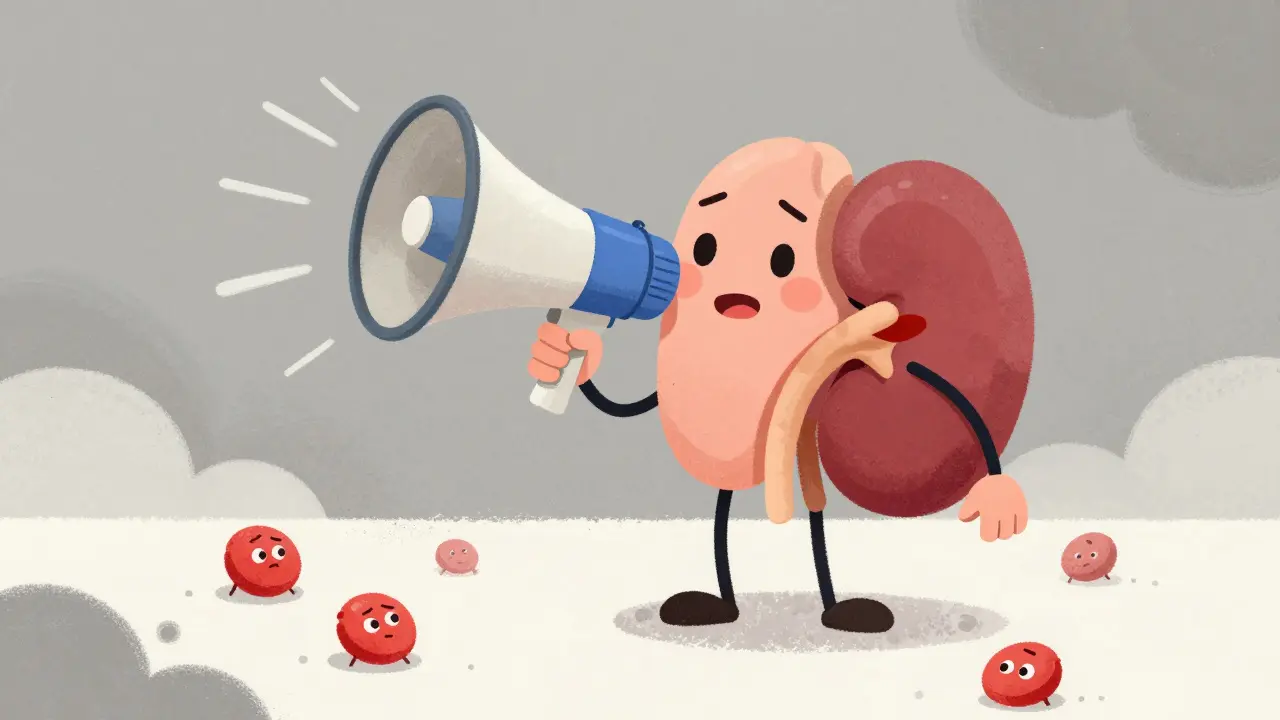
Living with chronic kidney disease (CKD) often means dealing with more than just filtering waste. One of the most draining side effects is anemia, a condition where your blood lacks enough healthy red blood cells to carry adequate oxygen to your body's tissues. If you feel constantly tired, short of breath, or weak, this might be why. Your kidneys play a crucial role in making erythropoietin, a hormone that tells your bone marrow to produce red blood cells. When kidneys are damaged, they don't make enough of it. The good news? We have effective treatments. This guide breaks down how erythropoietin therapy and iron therapy work together to restore your energy and improve your quality of life, based on the latest clinical guidelines from 2025.
Understanding Why Kidneys Cause Anemia
To treat anemia effectively, you first need to understand what's going wrong. In healthy individuals, kidneys release erythropoietin (EPO) in response to low oxygen levels. In CKD, scarred kidney tissue fails to produce sufficient EPO. This leads to a specific type of anemia known as normocytic, normochromic, and hypoproliferative anemia. Simply put, your bone marrow isn't getting the signal to ramp up production.
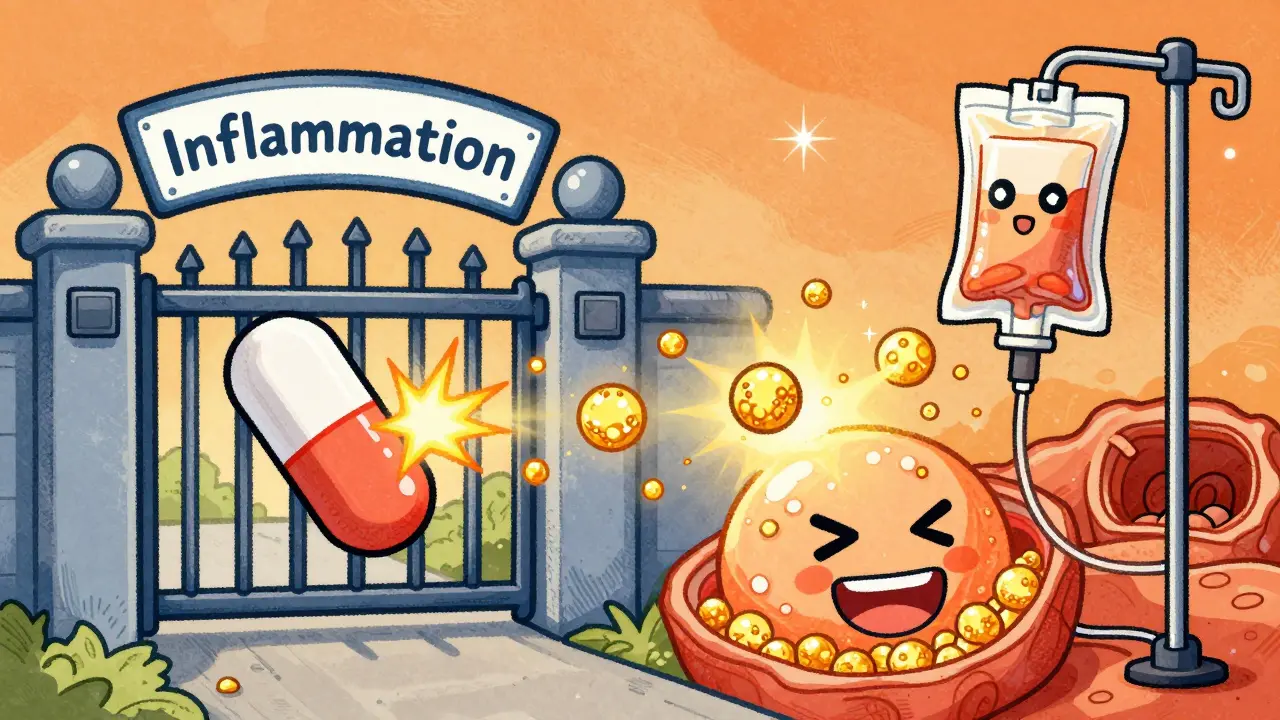
But it’s not just about missing hormones. Inflammation common in kidney disease disrupts iron metabolism. Your body produces a protein called hepcidin, which blocks iron absorption in the gut and traps iron in storage sites. Even if you eat iron-rich foods, your body can't use them. This creates a double whammy: lack of production signals and lack of building materials. Correcting both issues is essential for any treatment plan to succeed.
The Role of Iron Therapy in CKD
Before starting any hormone replacement, doctors must ensure you have enough iron. Think of iron as the raw material and erythropoietin as the factory manager. If the warehouse is empty, the manager can't do their job. Guidelines from KDIGO (Kidney Disease: Improving Global Outcomes) emphasize checking ferritin and transferrin saturation (TSAT) levels regularly.
| Metric | Normal Range | Action Threshold (KDIGO 2025) |
|---|---|---|
| Ferritin | 30-400 mcg/L | ≤ 500 ng/mL (consider IV iron) |
| Transferrin Saturation (TSAT) | 20-50% | ≤ 30% (indicates functional deficiency) |
There are two main ways to get iron into your system: oral supplements and intravenous (IV) infusions. For many CKD patients, especially those on dialysis, oral iron falls short. Studies show that inflammation reduces oral iron absorption to just 30-40%. In contrast, IV iron bypasses the gut entirely, achieving near 100% bioavailability. Common IV formulations include iron sucrose and ferric carboxymaltose. While IV iron works faster-often raising hemoglobin by 1.5 g/dL within four weeks-it requires medical supervision due to rare risks of hypersensitivity reactions. Oral iron remains an option for early-stage CKD without significant inflammation, but patience is key as it takes longer to see results.
Erythropoiesis-Stimulating Agents (ESAs)
Once iron stores are replete, if hemoglobin remains low (typically below 10 g/dL), doctors introduce ESAs. These are synthetic versions of the natural hormone your kidneys stopped making. The most common agents include epoetin alfa, epoetin beta, and darbepoetin alfa. Darbepoetin has a longer half-life, meaning it can be injected less frequently-sometimes once every week or even every other week.
Administration routes depend on your stage of kidney disease. Non-dialysis patients usually receive subcutaneous injections (under the skin), while hemodialysis patients often get intravenous doses during their dialysis sessions. It’s important to manage expectations here. ESAs don’t work overnight. You might see a rise in hemoglobin within 2 to 6 weeks, but finding the right dose is a balancing act. Doctors typically adjust the dose by 25% every four weeks based on blood test trends. The goal isn't to reach 'normal' levels like a healthy person, but to alleviate symptoms and avoid transfusions.
Safety First: Hemoglobin Targets and Risks
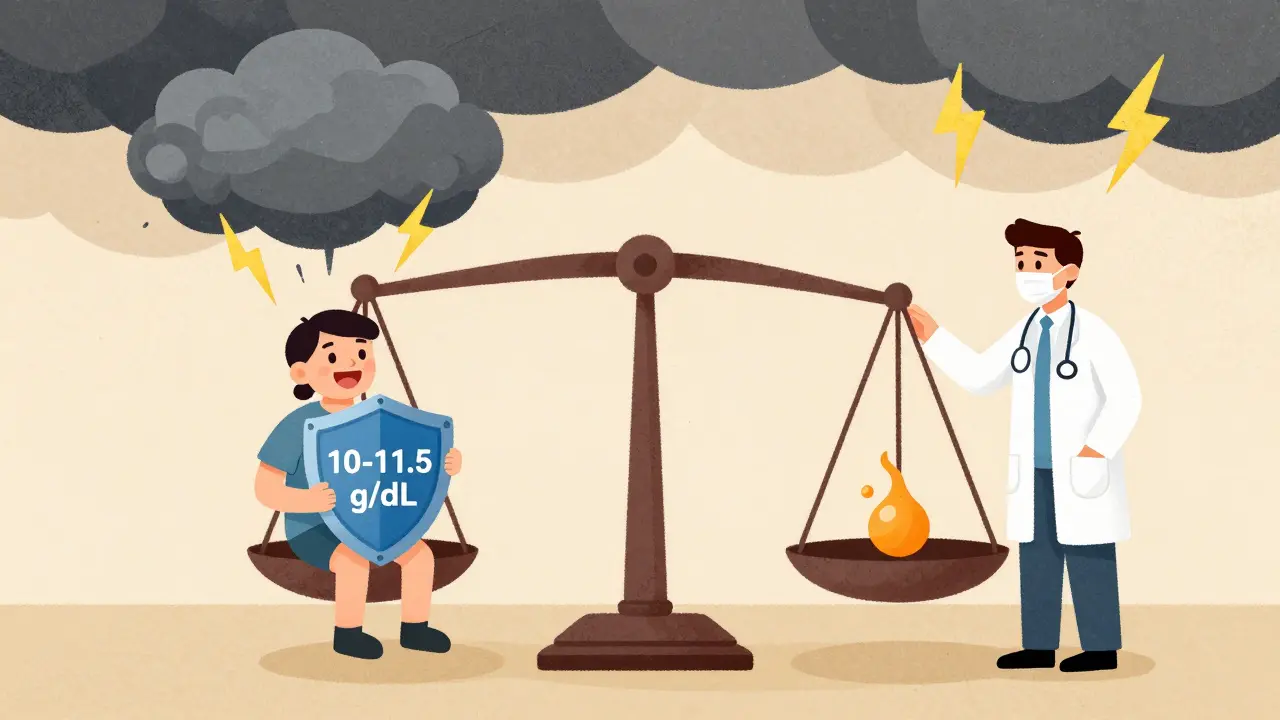
Historically, doctors aimed for higher hemoglobin levels, hoping to mimic normal physiology. However, major trials like the TREAT study revealed serious downsides. Pushing hemoglobin above 11.5 g/dL significantly increased the risk of stroke, heart attack, and blood clots. Current KDIGO 2025 guidelines strongly advise against targeting hemoglobin levels above 11.5 g/dL. Instead, the focus has shifted to individualized care. A target range of 10-11.5 g/dL is generally recommended to balance symptom relief with safety.
Other side effects to watch for include high blood pressure (hypertension), which occurs in about 25-30% of patients starting ESA therapy. Regular blood pressure monitoring is non-negotiable. Additionally, some patients experience injection site reactions or headaches. If you notice sudden swelling, severe headaches, or signs of clotting, contact your healthcare provider immediately. Safety data also highlights the importance of avoiding rapid hemoglobin rises, which can strain the cardiovascular system.
New Frontiers: HIF-PHIs and Future Treatments
The landscape of anemia treatment is evolving. Enter Hypoxia-Inducible Factor Prolyl Hydroxylase Inhibitors (HIF-PHIs). Unlike ESAs, these are oral medications that stabilize HIF proteins, tricking the body into thinking it’s oxygen-starved. This triggers natural erythropoietin production and improves iron utilization by lowering hepcidin levels. Roxadustat was approved in Japan and China earlier, and recently received FDA approval in the US in December 2023, marking a significant shift toward oral therapy options.
HIF-PHIs offer convenience-one pill instead of injections-but they come with their own considerations. Early concerns involved tumor progression in cancer patients, leading to temporary regulatory holds. However, ongoing studies in pure CKD populations are clarifying their safety profile. They may become a preferred alternative for patients who struggle with injections or have unstable hemoglobin levels on ESAs. As research progresses, personalized dosing algorithms using machine learning are also being piloted to reduce variability and optimize outcomes further.
Practical Steps for Patients
Navigating anemia treatment involves active participation. Here is a simple checklist to help you stay on track:
- Monitor Labs Regularly: Know your hemoglobin, ferritin, and TSAT numbers. Ask your doctor to explain changes in these values.
- Report Symptoms: Don’t ignore new fatigue, breathlessness, or swelling. These could indicate under-treatment or side effects.
- Adhere to Schedule: Whether it’s weekly injections or monthly IV iron, consistency matters. Missing doses can cause hemoglobin levels to drop again.
- Dietary Awareness: While diet alone won’t cure CKD anemia, consuming vitamin C-rich foods can help absorb whatever oral iron you take. Avoid taking iron supplements with calcium or antacids, as they block absorption.
- Blood Pressure Checks: Monitor at home if prescribed ESA therapy, as hypertension is a common side effect.
Remember, treatment failure or "ESA hyporesponsiveness" affects about 10% of patients. This doesn’t mean the treatment failed; it often means there’s an underlying issue like hidden infection, aluminum toxicity, or uncorrected iron deficiency. Working closely with your nephrologist helps identify and resolve these barriers quickly.
How long does it take for erythropoietin therapy to work?
Most patients begin to see an increase in hemoglobin levels within 2 to 6 weeks of starting ESA therapy. However, reaching a stable target dose may take several months. Patience is crucial, as rapid increases can be dangerous.
Can I take oral iron if I have kidney disease?
Yes, but its effectiveness depends on your stage of CKD and inflammation levels. In advanced CKD or dialysis, inflammation blocks iron absorption, making oral iron less effective. Intravenous iron is often preferred for faster and more reliable results in these cases.
What are the risks of having high hemoglobin levels in CKD?
Targeting hemoglobin levels above 11.5 g/dL increases the risk of serious cardiovascular events, including stroke, heart attack, and blood clots. Current guidelines recommend keeping hemoglobin between 10 and 11.5 g/dL to minimize these risks while managing symptoms.
What are HIF-PHIs and are they safe?
HIF-PHIs are oral medications that stimulate natural erythropoietin production and improve iron usage. They offer a convenient alternative to injections. While early concerns existed regarding cancer patients, recent approvals suggest they are safe for general CKD populations when monitored correctly.
Why do I still feel tired after starting treatment?
Fatigue in CKD can stem from multiple sources beyond anemia, such as sleep apnea, depression, or uremia. If anemia treatment is optimized but fatigue persists, discuss other potential causes with your doctor. It may also take time for your body to fully adapt to improved oxygen delivery.