
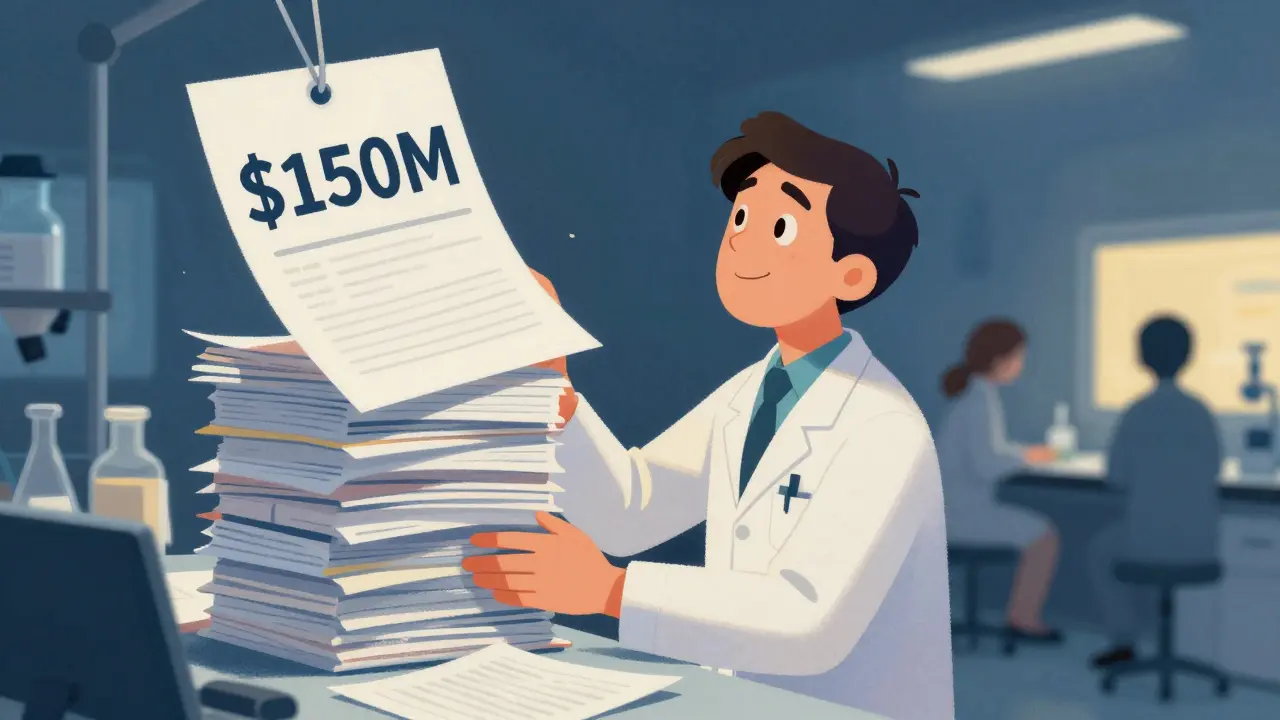
Imagine spending $150 million to develop a life-saving treatment for a disease that affects only 8,000 people in the entire United States. Without special protections, generic competitors could swoop in immediately after approval, driving prices down and wiping out your return on investment. For decades, this economic reality meant big pharma ignored rare diseases entirely. That changed with orphan drug exclusivity, a regulatory shield designed specifically to make developing treatments for small patient populations financially viable.
If you are navigating the complex landscape of pharmaceutical development or simply trying to understand why some drugs cost so much, understanding this mechanism is crucial. It sits right at the intersection of public health policy and corporate profit motives. This guide breaks down exactly how orphan drug exclusivity works, how it differs from standard patents, and why it remains the single most important driver for rare-disease medicine innovation today.
What Is Orphan Drug Exclusivity?
To understand the protection, we first need to define what qualifies as an "orphan" drug. The term doesn't refer to abandoned medications; rather, it refers to conditions that lack sufficient commercial interest for private sector development without government intervention. Under the Orphan Drug Act of 1983, signed into law by President Ronald Reagan, a condition is considered "rare" if it affects fewer than 200,000 people in the U.S. annually. Alternatively, a drug can qualify if the developer cannot reasonably expect to recover the costs of developing and marketing the product in the U.S.
Orphan drug exclusivity is the reward for meeting these criteria. Once the Food and Drug Administration (FDA) grants a sponsor marketing approval for an orphan-designated drug, they receive seven years of market exclusivity. During this window, the FDA generally will not approve another application for the same drug for the same indication. This creates a temporary monopoly, allowing the innovator company to set prices high enough to recoup their R&D expenses despite the tiny customer base.
This system has been remarkably effective. Before the 1983 Act, only 38 drugs existed for rare diseases. In the thirty-five years following its passage, the FDA granted orphan status to over 500 drugs. Today, nearly one in four new molecular entities approved by the FDA carries an orphan designation, fundamentally shifting the industry's focus toward precision medicine and genetic disorders.
How Exclusivity Differs From Patent Protection
A common misconception is that orphan exclusivity replaces patent protection. It does not. Instead, it operates alongside patents, often filling gaps where patent coverage might be weak or expire sooner. Understanding the distinction between these two forms of intellectual property is vital for anyone analyzing a drug's competitive landscape.
| Feature | Orphan Drug Exclusivity | Patent Protection |
|---|---|---|
| Duration | 7 years from FDA approval date | Typically 20 years from filing date (often shorter effective market life) |
| Scope | Specific to the drug-indication pair (the "dyad") | Covers chemical composition, formulation, or method of use |
| Bypass Mechanism | Competitor must prove "clinical superiority" | Competitor must invalidate patent or wait for expiration |
| Independence | Applies even if no patent exists | Requires successful patent examination by USPTO |
The key difference lies in the scope. A patent protects the molecule itself. If you hold a patent on a specific compound, no one else can sell that compound for any reason during the patent term. Orphan exclusivity, however, is narrower. It protects the specific combination of the drug and the rare disease indication. This means a competitor could potentially launch a generic version of the same drug for a *different*, non-orphan indication while the original sponsor retains exclusivity for the rare disease use.
Furthermore, orphan exclusivity runs from the date of FDA approval, not the date of invention. Since drug development takes 10-15 years, a 20-year patent often leaves only 5-7 years of actual market protection after approval. Orphan exclusivity guarantees a full seven-year head start against generics for that specific indication, regardless of when the patent was filed.
The "Winner Takes All" Race to Approval
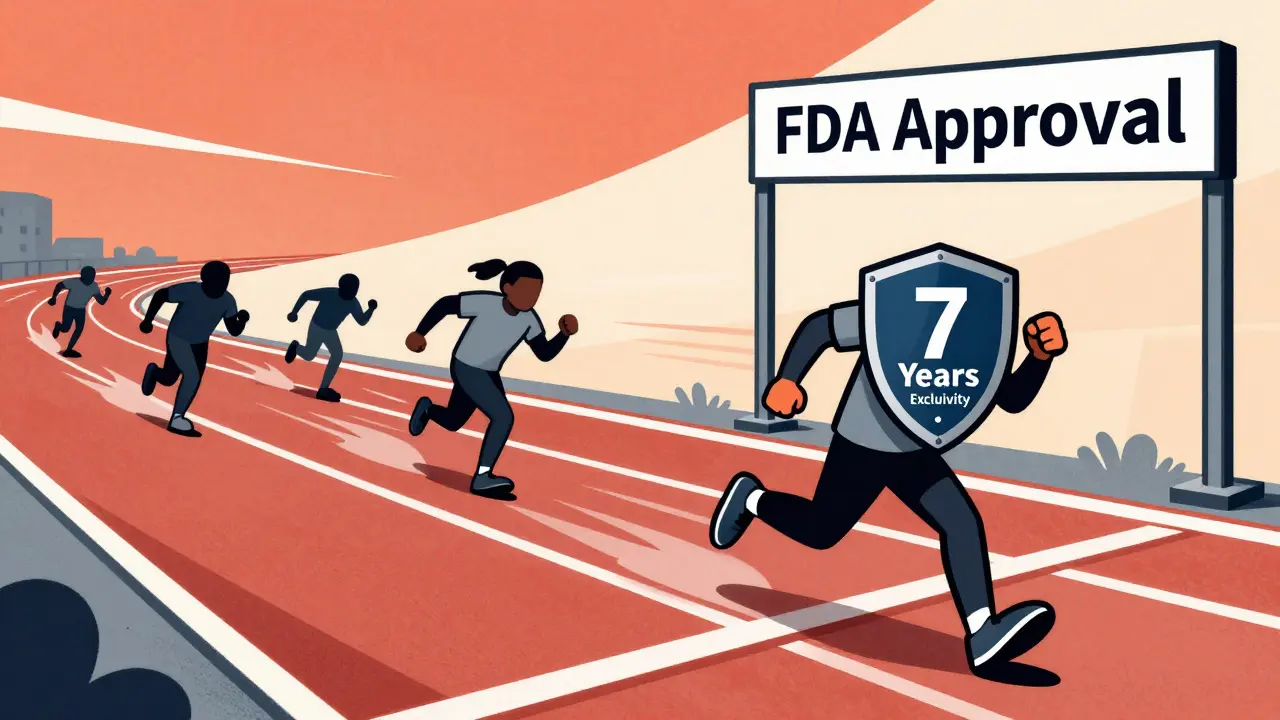
One of the most intense aspects of the orphan drug ecosystem is the race to be first. The FDA allows multiple companies to seek orphan designation for the same drug-disease pair. You might have five different biotech firms all working on therapies for the same ultra-rare genetic disorder. They can all get the designation, which offers benefits like tax credits and user fee waivers. However, only one gets the exclusivity.
The rule is simple but brutal: the first sponsor to receive marketing authorization wins the seven-year exclusivity period. Dr. Tim Cote, former Director of the Office of Orphan Products Development at the FDA, describes this as a "horse race." Many can line up at the starting gate, but only the first to cross the finish line gets the prize. This dynamic creates significant pressure on developers to accelerate clinical trials, sometimes leading to ethical debates about safety versus speed.
This "winner-takes-all" structure also impacts competition strategies. If a second company wants to enter the market with the same drug for the same indication during the exclusivity period, they face a massive hurdle. They must demonstrate "clinical superiority" to the already-approved drug. Clinical superiority is defined as offering a substantial therapeutic improvement-such as greater efficacy, better safety, or addressing a major unmet medical need. Since 1983, there have been only three documented cases where a subsequent entrant successfully met this high bar. For most companies, waiting out the seven-year clock is the only realistic option.
Strategic Implications for Pharmaceutical Companies
For pharma executives and regulatory affairs professionals, orphan drug exclusivity is not just a legal formality; it is a core component of business strategy. The financial stakes are enormous. With development costs averaging $150 million or more for rare disease treatments, the exclusivity period determines whether a project yields profit or loss.
Timing is everything. Companies typically submit their orphan designation applications as early as Phase 1 or early Phase 2 clinical development. The FDA reviews these applications within 90 days, and the approval rate is high (around 95%) provided the epidemiological data clearly shows the disease affects fewer than 200,000 people. Securing designation early locks in eligibility for other incentives, such as a 25% tax credit for qualified clinical trial costs and waivers for FDA application fees, which can save approximately $3.1 million per submission.
However, companies must be cautious about "salami slicing"-a controversial practice where sponsors seek multiple orphan designations for different indications of the same drug to extend market protection. While legal, this approach draws scrutiny from regulators and payers. The FDA has tightened guidance on what constitutes a distinct indication, requiring robust scientific justification for each separate designation. Companies that rely too heavily on expanding indications rather than developing novel molecules risk reputational damage and potential legislative backlash.
Global Perspectives: US vs. EU Systems
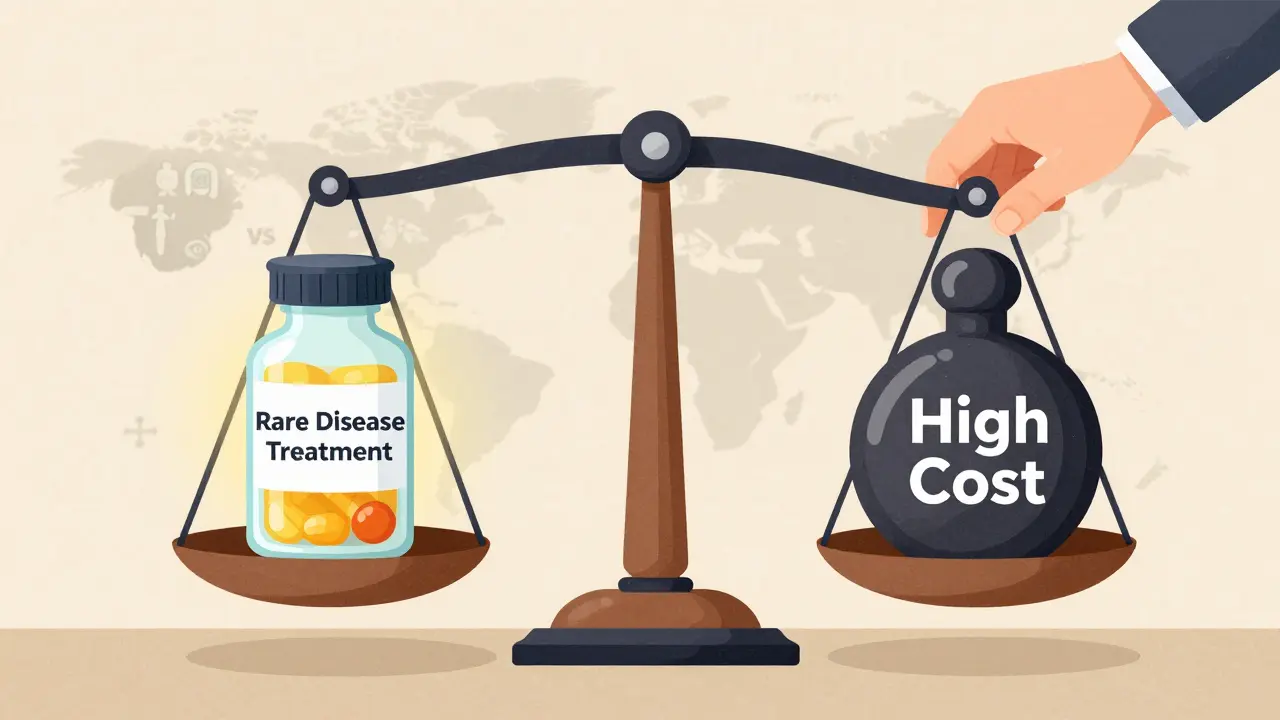
While the U.S. system is influential, it is not the only model. Pharmaceutical companies operating globally must navigate different exclusivity frameworks. The European Union (EU) offers a longer baseline period but with different rules regarding extensions and reductions.
In the EU, administered by the European Medicines Agency (EMA), orphan medicines receive ten years of market exclusivity, compared to seven years in the U.S. Additionally, the EU system allows for a two-year extension if the sponsor completes agreed-upon pediatric studies, potentially bringing the total protection to twelve years. Conversely, the EU can reduce the exclusivity period from ten to six years if the drug generates significant revenues, indicating that the product is no longer economically unviable. The U.S. system currently lacks both the automatic extension for pediatric studies and the revenue-based reduction clause.
These differences create strategic complexities for multinational launches. A company might prioritize U.S. approval to secure faster market entry, even with shorter exclusivity, or target the EU to maximize the duration of protection. Regulatory harmonization efforts are ongoing, but for now, developers must maintain parallel strategies to optimize global returns.
Criticisms and Future Challenges
Despite its success in boosting drug development, orphan drug exclusivity faces growing criticism. The primary concern is pricing. Because exclusivity eliminates generic competition, orphan drugs often carry extremely high price tags. Some critics argue that the system enables artificial monopolies, particularly for drugs that have large non-orphan markets. A notable example is Humira, which received multiple orphan designations despite being a blockbuster drug for common autoimmune conditions. Critics contend this dilutes the spirit of the act, which was intended solely for truly rare, underserved conditions.
Patient advocacy groups present a mixed view. A 2022 survey by the National Organization for Rare Disorders (NORD) found that 78% of advocacy groups consider orphan exclusivity essential for encouraging development. However, 42% expressed serious concern about resulting drug affordability. This tension highlights the delicate balance policymakers must strike: incentivizing innovation without making treatments inaccessible to those who need them most.
Looking ahead, regulatory reforms are likely. The FDA has issued draft guidance clarifying "same drug" determinations to prevent loopholes. There are also proposals to require demonstration of "unmet medical need" beyond just meeting prevalence thresholds. As the orphan drug market continues to grow-projected to reach 21.1% of global prescription sales by 2026-expect tighter scrutiny on designation approvals and exclusivity claims.
How long does orphan drug exclusivity last in the US?
In the United States, orphan drug exclusivity lasts for seven years from the date the FDA approves the marketing application (NDA or BLA). This period begins upon approval, not when the patent was filed.
Can a generic company compete during the orphan exclusivity period?
Yes, but only if they can prove "clinical superiority." The generic or biosimilar sponsor must demonstrate that their version offers a substantial therapeutic improvement over the existing orphan drug. This is a very high bar that has rarely been met.
What defines a "rare disease" for orphan drug purposes?
The FDA defines a rare disease as one affecting fewer than 200,000 people in the United States. Alternatively, a drug may qualify if the developer cannot reasonably expect to recover development costs from U.S. sales alone.
Does orphan exclusivity replace patent protection?
No, it complements it. Patents protect the chemical composition or method of use, while orphan exclusivity protects the specific drug-indication pair. They run concurrently, and orphan exclusivity can provide market protection even if patents are weak or expired.
Why is the "first-to-market" rule important in orphan drugs?
Only the first sponsor to receive FDA marketing approval for a specific drug-disease pair receives the seven-year exclusivity. Other companies with the same designation must wait until the exclusivity expires or prove clinical superiority, creating a strong incentive to accelerate development.


Lenny Cruz, June 8, 2026
The entire premise of this post is built on a fundamental misunderstanding of market dynamics. You suggest that without these protections, pharma would ignore rare diseases. That’s not true; they simply wouldn’t price them at extortionate levels if they had to compete with generics immediately. The 'economic reality' you cite is manufactured by the regulatory state itself to prop up monopolies. It’s not about viability; it’s about rent-seeking behavior disguised as public health policy. People who believe this narrative are ignoring the basic principles of supply and demand. If the market could bear the cost, the drugs would be developed anyway through voluntary charity or standard profit motives without needing a seven-year monopoly granted by the government. This system doesn't save lives; it saves shareholders.
Aswin Narayan J, June 9, 2026
Look, I work in biotech in Bangalore and we see this play out differently here. The US model is aggressive, sure, but look at the volume of innovation coming out of orphan designations. It’s not just greed. In India, we have massive generic capacity, but we don’t have the R&D infrastructure for ultra-rare genetic disorders because the patient pool is too fragmented and underdiagnosed. The exclusivity period forces companies to actually invest in the science rather than just copying molecules. Without that shield, no one touches the $150 million risk. It’s cold hard economics. You can hate capitalism, but right now, it’s the only engine driving cures for diseases that affect fewer than 200k people. We need results, not moralizing.
Jennifer Legore, June 11, 2026
I completely agree with Aswin! :D It is so important to recognize the balance between innovation and access. While the prices are high, the alternative is having NO treatment at all. Think about the families waiting for these therapies. The Orphan Drug Act has literally brought hundreds of treatments to market that didn't exist before. That is a huge win for humanity! We should celebrate the scientists and regulators working together to make this happen. Let's keep supporting policies that encourage research into rare diseases because every life matters! :) The data shows a massive increase in approved drugs since 1983, which is fantastic news for patients worldwide.
Alyssa Zucker, June 12, 2026
I hear what you’re saying, Jennifer, but it feels heavy knowing that some families still can’t afford these 'miracle' drugs even after all this progress. My sister has a rare autoimmune condition, and while her drug isn't an orphan designation, the pricing logic is similar. It makes me anxious to think about how many people are left behind despite the 'success' of the act. I wonder if there’s more being done to address the affordability gap, or if we’re just celebrating the existence of the drug while ignoring who gets to use it.
Francis Saul, June 13, 2026
hey alissa i get where ur comin from. its tough when money blocks care. but u gotta remember the devs spent millions on trials. if they dont recoup costs they stop making new stuff. maybe we need better insurance models or gov subsidies for patients instead of killing the incentive structure. its a complex puzzle. hope ur sis finds relief soon tho. sending good vibes.
Dave Villeneue, June 14, 2026
Your emotional appeal is irrelevant to the structural analysis. The core issue is the definition of 'clinical superiority.' It is a loophole-ridden concept that allows big pharma to extend monopolies indefinitely by tweaking formulations slightly. The FDA is complicit in this fraud. They prioritize speed over safety and profitability over public health. The 'winner-takes-all' race creates a dangerous environment where corner-cutting in clinical trials becomes a rational business strategy. You are defending a broken system that prioritizes shareholder value over human life. Wake up.
William Storm, June 15, 2026
One must consider the philosophical implications of commodifying life expectancy. Is a cure merely a product? The exclusivity period transforms biological necessity into a luxury good. This is the ultimate expression of late-stage capitalist alienation. The individual is reduced to a consumer unit, and their survival is contingent upon their ability to pay. The 'innovation' touted here is often incremental at best, yet priced as revolutionary. We are witnessing the erosion of social contract in favor of corporate sovereignty. The tragedy is not the lack of drugs, but the abundance of barriers erected by those who profit from scarcity.
Jay Foreman, June 17, 2026
This whole thread is missing the point. It’s not about philosophy or economics, it’s about morality. How dare these companies charge thousands per month for a pill that costs pennies to make? They are vampires sucking the blood from sick children. And the government lets them do it! It’s disgusting. I’m tired of hearing excuses about R&D costs. If you want to help the poor, donate your profits. Don’t hold hostages. The fact that anyone defends this system shows how morally bankrupt we’ve become. Shame on you all for enabling this cruelty.
Cathy N, June 18, 2026
i mean jay has a point about the ethics but let's not throw out the baby with the bathwater. the act did bring drugs to market that otherwise wouldnt exist. maybe the solution isnt to scrap exclusivity but to cap prices or mandate tiered pricing based on income. its not black and white. some people really do need these meds to survive. attacking the developers doesnt help the patients. we need nuanced solutions not just outrage
Adelaide Motata, June 18, 2026
oh please. cathy you sound like a PR bot. the nuance is that the system is rigged from the start. 'salami slicing' indications is basically legalized fraud. companies get multiple exclusivities for the same molecule by finding tiny subsets of patients. its predatory. and dont get me started on the EU comparison. ten years vs seven? thats just more time to bleed patients dry. the whole thing is a scam designed to enrich executives while families go bankrupt. stop making excuses for greed.
Mike Crump, June 19, 2026
Whoa, Adelaide, let’s pump the brakes on the cynicism! 🛑 Look, I’m a mentor in the industry, and I can tell you that most scientists aren’t trying to ‘bleed patients.’ They’re passionate about solving puzzles. Yes, the business side is flawed, and yes, pricing is insane. But dismissing the entire scientific community as greedy villains doesn’t help us fix the problem. We need to engage with the regulators, push for better patent reform, and support patient advocacy groups. Let’s channel that energy into constructive change rather than just burning everything down. There’s room for both compassion and commerce if we steer it right!
Samantha Arbuckle, June 20, 2026
interesting perspective mike 🧠 i think the tension comes from viewing healthcare as either purely charitable or purely commercial. maybe it needs to be viewed as a public utility with private innovation incentives. the emoji use here is minimal because the topic is serious 😐 but the potential for hybrid models exists. imagine a global patent pool for orphan drugs where royalties are shared. just a thought to spark dialogue ✨
Stephanie Francis, June 22, 2026
I find Samantha's proposal somewhat naive, though well-intentioned. A global patent pool sounds lovely in theory, but enforcement across different legal jurisdictions would be a nightmare. The current system, while imperfect, provides clear rules that allow capital to flow into high-risk areas. Aggressively dismantling these protections without a viable replacement mechanism would likely result in a stagnation of research, particularly in developing nations where infrastructure is already weak. We must be pragmatic. Reform, not revolution. The 'clinical superiority' clause is a starting point for tightening loopholes, but removing the exclusivity entirely is political suicide and economic folly.
Daniel Tremblay, June 23, 2026
Sarcastic much? 'Political suicide'? Please. The politicians are the ones getting paid off by pharma lobbyists. You guys defend the status quo because it benefits the elite. Meanwhile, regular folks are choosing between food and medicine. The 'pragmatic' approach is just another word for cowardice. If the system is broken, break it. Build something better. Until then, enjoy your expensive pills while the rest of us watch the house burn down. 🇨🇦