
Opioid Nausea (OINV) Management Assistant
Answer three quick questions to get a personalized recommendation for managing opioid-induced nausea. This tool helps you prepare for a conversation with your healthcare provider.
Recommended Strategy
Medication Match
Timing Schedule
Dietary & Lifestyle Adjustments
- Do Eat 5-6 small, bland meals (crackers, rice, bananas) instead of 3 large ones.
- Do Sip clear fluids or electrolyte drinks slowly; try ice chips if liquids feel heavy.
- Avoid Greasy, fried, spicy, or very hot foods that may trigger smell-related nausea.
- Avoid Gulping large amounts of water at once, which can stretch the stomach.
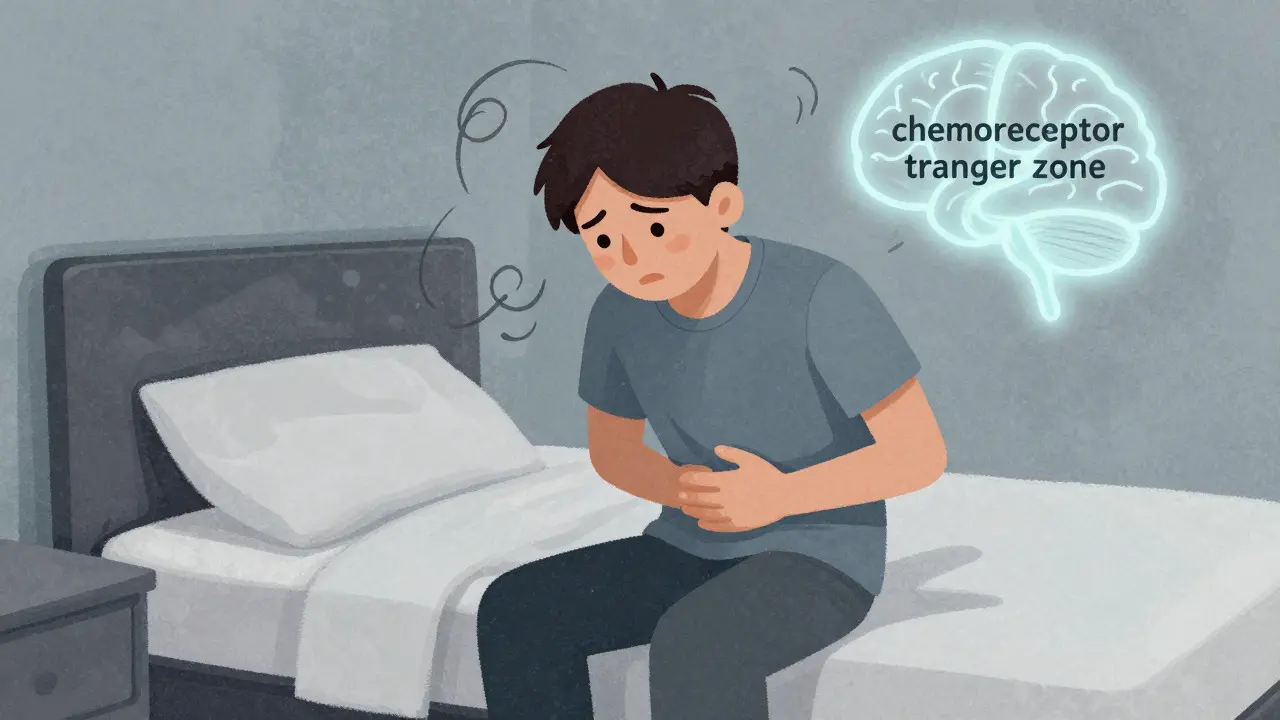
Starting a new pain medication can feel like a gamble. You’re hoping for relief, but instead, you’re dealing with a churning stomach that makes eating impossible. If you’ve recently started taking opioids like morphine, oxycodone, or hydrocodone, you are not alone. About 30 to 40 percent of patients experience Opioid-Induced Nausea and Vomiting, commonly known as OINV. It’s one of the most common reasons people stop their pain treatment early, even though the medication is working well for their pain.
The good news? This side effect is usually temporary. For most people, the nausea fades within three to seven days as your body adjusts to the drug. But waiting it out isn’t always an option, especially if you’re managing cancer pain or severe chronic pain. The key to staying comfortable lies in three things: picking the right anti-nausea medication, timing your doses correctly, and adjusting what you eat. Here’s how to handle it without giving up on your pain control.
Why Opioids Make You Feel Sick
To fix the problem, it helps to understand why it happens. Opioids don’t just block pain signals; they also stimulate a part of your brainstem called the chemoreceptor trigger zone (CTZ). Think of the CTZ as your body’s alarm system for toxins. When opioids bind to receptors here, they trick your brain into thinking you’ve ingested something poisonous, triggering the vomiting reflex.
This reaction is strongest when you first start the medication or when you increase the dose. Over time, your brain gets used to the presence of the opioid, and the CTZ stops reacting as strongly. That’s why OINV is typically a short-term issue. However, other factors can make it worse. If you have constipation (another very common opioid side effect), the backup in your gut can push back up, worsening the nausea. Motion sickness or anxiety can also amplify the feeling. Recognizing these triggers helps you choose the right countermeasure.
Choosing the Right Anti-Nausea Medication
Not all anti-nausea drugs work the same way. Your doctor will likely prescribe one based on your specific situation, age, and other health conditions. There are two main categories to know about: dopamine blockers and serotonin blockers.
Dopamine Blockers are often the first line of defense. They calm down the CTZ by blocking dopamine signals. Common examples include:
- Haloperidol: A potent option, usually prescribed in low doses (0.5-2 mg). It’s effective but requires caution in older adults because it can cause muscle stiffness or tremors.
- Prochlorperazine: Another dopamine blocker that works well for general nausea. It’s often available in tablet or injection form.
- Metoclopramide: This one is unique because it does two things. It blocks dopamine and speeds up stomach emptying. If your nausea is linked to slow digestion or constipation, this is often the best choice. It’s typically dosed at 5-10 mg every 6-8 hours.
Serotonin Blockers, like Ondansetron (brand name Zofran), work differently. They block serotonin receptors in the gut and brain. These are great for acute, sudden waves of nausea but might be less effective if the nausea is persistent or related to slow gut movement. They are generally easier on the body than dopamine blockers, making them a popular choice for many patients.
Your doctor might also consider corticosteroids like dexamethasone if you’re being treated for cancer. While not a standard anti-nausea drug for everyone, they can help reduce inflammation and nausea in specific contexts.
Timing Is Everything
You can take the perfect medication and still feel sick if you take it at the wrong time. The goal is to have the anti-nausea drug in your bloodstream before the opioid hits its peak level in your body.
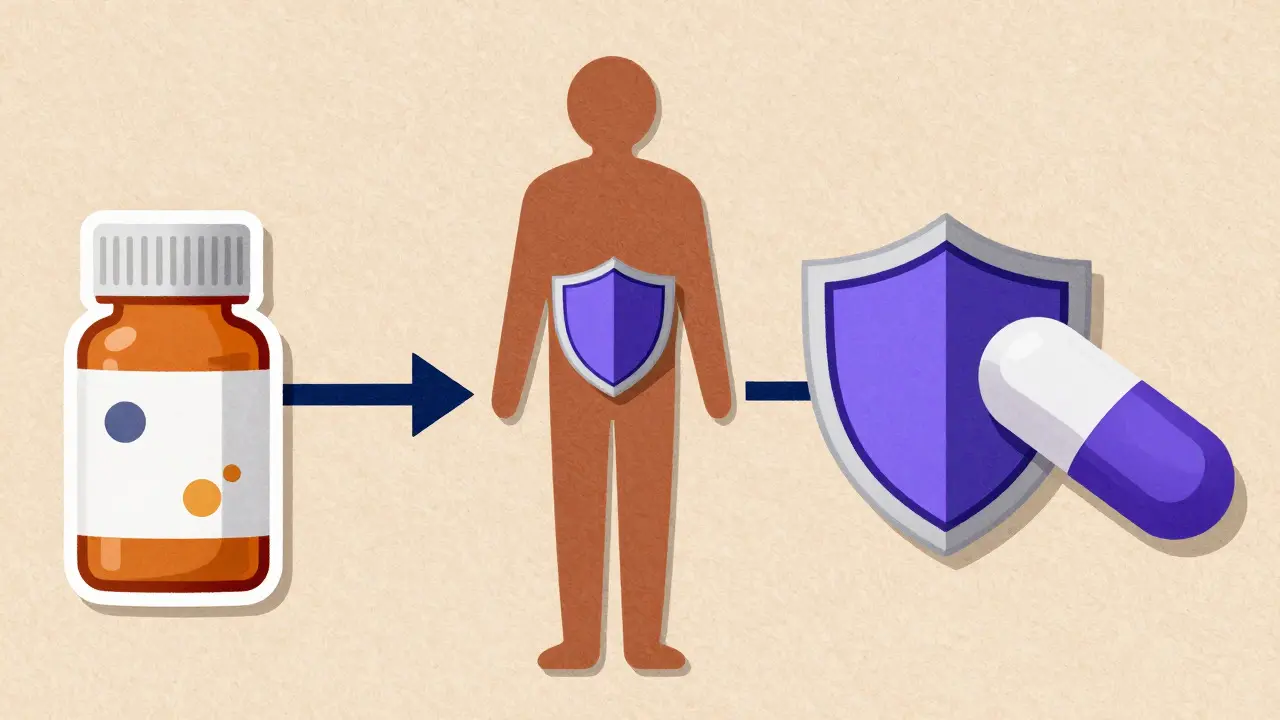
Oral opioids typically reach their peak effect 60 to 90 minutes after you swallow them. So, here’s the rule of thumb: Take your anti-nausea medication 30 to 60 minutes before you take your opioid. This creates a buffer. By the time the opioid starts stimulating your nausea centers, the anti-emetic is already active and ready to neutralize the signal.
If you’re using long-acting opioids, you’ll need a different strategy. Since these release medication slowly over 12 or 24 hours, you might need to take your anti-nausea med twice a day or use a longer-acting formulation. Always check with your pharmacist to align the schedules. Missing the window means fighting the nausea after it has already started, which is much harder to manage.
Dietary Tweaks That Actually Help
When your stomach is upset, the last thing you want to think about is food. But skipping meals can make things worse by allowing acid to build up and slowing down your metabolism further. Instead, try these practical adjustments:
- Go Small and Frequent: Forget three big meals. Aim for five or six tiny snacks throughout the day. A few crackers, some plain toast, or a small bowl of rice are easier to digest than a heavy plate of pasta.
- Avoid Triggers: Greasy, fried, or spicy foods sit heavily in the stomach and can worsen nausea. Stick to bland, low-fat options like bananas, applesauce, or boiled potatoes.
- Watch Your Temperature: Very hot foods often have strong smells that can trigger nausea. Cold or room-temperature foods are usually more tolerable. Try chilled broth or smoothies.
- Stay Hydrated, But Carefully: Dehydration makes nausea worse. Sip water, clear juices, or electrolyte drinks slowly. Don’t gulp large amounts at once, as this can stretch the stomach and trigger vomiting. Ice chips are a great option if liquids feel too heavy.
If you’re experiencing constipation alongside nausea, ask your doctor about a bowel regimen. Speeding up your digestive tract can significantly reduce the “backed-up” feeling that contributes to OINV.
When to Change Your Opioid
Sometimes, despite the best anti-nausea meds and diet changes, the nausea persists. This might mean your body doesn’t tolerate that specific opioid well. In these cases, doctors may recommend opioid rotation.
This involves switching from one opioid to another. For example, switching from morphine to hydromorphone or oxycodone can sometimes reduce nausea in 40 to 50 percent of patients. It’s not a guaranteed fix, but it’s a valuable tool when other strategies fail. The process needs to be done carefully under medical supervision to ensure your pain control doesn’t drop during the switch.
Another approach is the “start low, go slow” method. If you’re starting a new opioid, beginning at a lower dose and increasing it gradually over several days can reduce the initial shock to your system. This strategy has been shown to cut the incidence of nausea by about 35 percent compared to jumping straight to a standard dose.

Practical Comparison of Common Antiemetics
| Medication | Primary Mechanism | Best For | Key Caution |
|---|---|---|---|
| Metoclopramide | Dopamine blocker + Prokinetic | Nausea with slow stomach emptying or constipation | Risk of muscle movements (tremors) at high doses |
| Haloperidol | Dopamine blocker | Severe, persistent nausea | Can cause parkinsonism-like symptoms in elderly |
| Ondansetron | Serotonin blocker | Acute, sudden onset nausea | May worsen constipation; not ideal for slow gut issues |
| Prochlorperazine | Dopamine blocker | General nausea and vomiting | Can cause drowsiness |
Frequently Asked Questions
How long does opioid nausea usually last?
For most patients, opioid-induced nausea resolves within 3 to 7 days as the body develops tolerance. If it lasts longer than a week, consult your doctor to check for other causes like constipation or to consider switching medications.
Should I take my anti-nausea medicine before or after my opioid?
Take it 30 to 60 minutes before your opioid dose. This ensures the anti-nausea drug is active in your system before the opioid reaches its peak concentration, which is when nausea is most likely to occur.
Is metoclopramide better than ondansetron for opioid nausea?
It depends. Metoclopramide is often better if you also have constipation or slow stomach emptying because it speeds up digestion. Ondansetron is better for acute, sudden waves of nausea but won’t help with slow gut movement. Your doctor will choose based on your specific symptoms.
Can I stop my opioid if the nausea is too bad?
Don’t stop abruptly without talking to your doctor. Sudden cessation can lead to withdrawal and uncontrolled pain. Instead, discuss options like lowering the dose slightly, adding a stronger anti-nausea med, or rotating to a different opioid that might be better tolerated.
Do diet changes really help with opioid nausea?
Yes. Eating small, bland, cold meals and avoiding greasy or spicy foods can significantly reduce discomfort. Staying hydrated with sips of clear fluids also prevents dehydration, which can worsen nausea. Dietary tweaks are a crucial non-drug support strategy.