
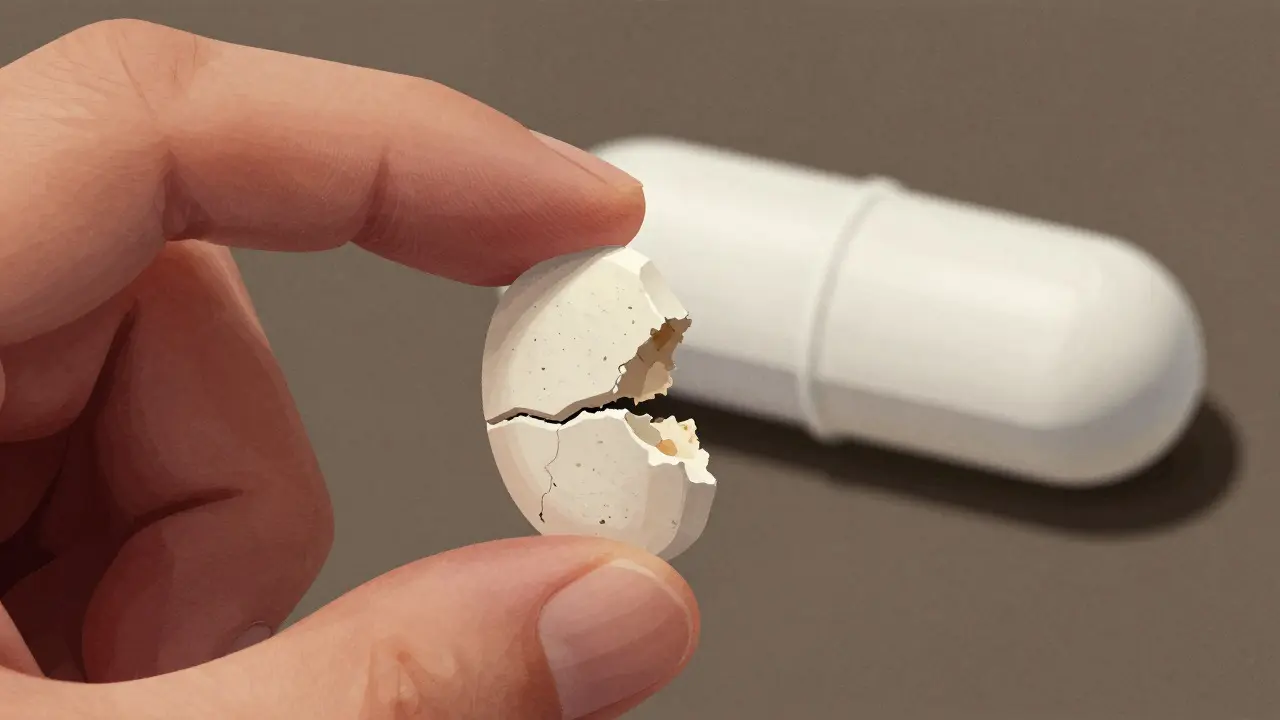
Imagine taking a pill that looks exactly like the one your doctor prescribed. It has the same color, the same shape, and even the same logo imprinted on it. But inside, instead of life-saving medicine, you’re swallowing chalk, printer toner, or worse-fentanyl. This isn’t a scene from a thriller; it’s the daily reality for millions of people facing the global crisis of counterfeit medications, which are fake pharmaceutical products deliberately mislabeled regarding their identity or source. These dangerous fakes pose severe risks, ranging from treatment failure to poisoning and death.
The scale of this problem is staggering. According to the World Health Organization (WHO), an estimated 1 million deaths occur annually due to falsified medicines. The U.S. Food and Drug Administration (FDA) defines these products as fake, pirated, or illegally copied items often manufactured in clandestine labs with zero quality control. Criminal networks are flooding markets with pills that mimic legitimate brands like OxyContin, Percocet, Xanax, and Adderall. With the rise of social media sales and unregulated online pharmacies, spotting the difference between real and fake has become more critical-and more difficult-than ever before.
How to Spot Counterfeit Drugs: Physical Warning Signs
You don’t need a laboratory to start questioning whether your medication is authentic. While experts note that 100% confirmation requires lab testing, there are clear "tells" that should raise immediate suspicion. Start by looking closely at the physical characteristics of the pill itself.
- Appearance anomalies: Legitimate pills have a factory-made appearance. If tablets look cracked, have a bubbled-up coating, or feel crumbly, something is wrong. Moldy pills or jars containing excess powder or crystals are major red flags.
- Sensory changes: Does the pill taste different? Smell odd? Have a strange texture? If it deviates from what you normally experience with your prescription, stop taking it and investigate.
- Size and shape variations: Compare the current batch to previous ones. Differences in thickness, shape, or markings can indicate a counterfeit product.
Packaging is another critical area for inspection. Counterfeiters often cut costs by using low-quality materials. Look for spelling errors on labels, faded printing, or mismatched fonts. Check if the paper texture, size, or thickness of the label feels off compared to previous purchases. Pay attention to the container itself-is the size slightly different? Are there breaks or tears in the sealing tape that weren't there before?
A particularly sneaky tactic involves altered expiry dates. Counterfeiters sometimes buy legitimate short-dated products and alter the labels to extend the shelf life. Always check for a lot number and expiration date. If these are missing, scratched out, or look hand-written, treat the medication with extreme caution.
The Digital Danger Zone: Online Pharmacies and Social Media
The internet has made buying medicine convenient, but it has also opened the floodgates for fraud. One of the most obvious warning signs of a counterfeit drug is an unusually low price. If a deal seems too good to be true, it almost certainly is. Counterfeiters attract buyers with significant discounts, especially on high-demand medications like GLP-1 agonists (such as Mounjaro®, Zepbound®, and Ozempic®).
In June 2024, the WHO issued a Medical Product Alert identifying falsified batches of injectable incretin products circulating across North America, South America, and Europe. These fake injections contained incorrect active ingredients or concentrations, posing serious health risks. The National Association of Boards of Pharmacy (NABP) reported thousands of websites promoting the illegal sale of these drugs. From 2022 to 2023, the NABP saw a 35% increase in identified illegal online pharmacy websites.
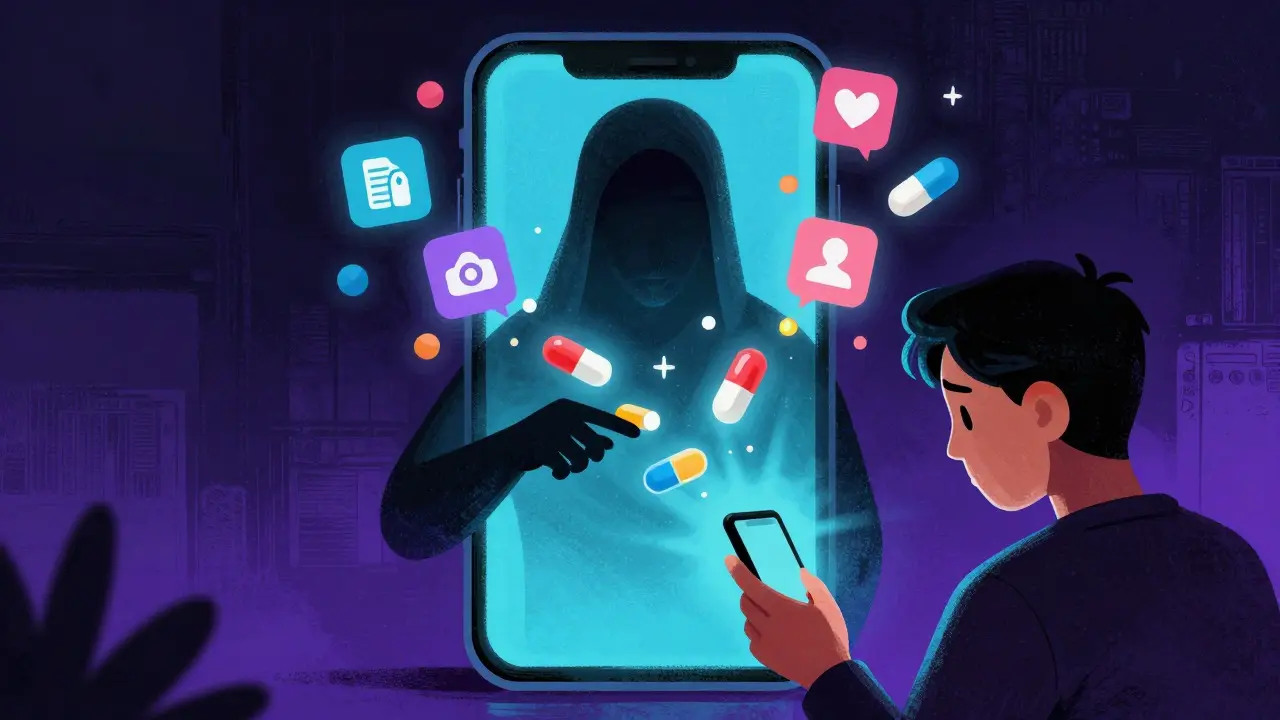
Criminal networks are increasingly using social media and encrypted messaging apps to sell fake prescription pills directly to consumers. They bypass traditional retail checks entirely. To protect yourself:
- Verify the pharmacy: Only purchase from state-licensed pharmacies. In the U.S., check if the pharmacy is accredited through the NABP’s VIPPS (Verified Internet Pharmacy Practice Sites) program.
- Require a valid prescription: Legitimate pharmacies will always require a prescription from a licensed medical professional. If a site sells prescription drugs without asking for one, walk away.
- Check for contact information: A legitimate pharmacy will have a physical address and phone number listed. Be wary of sites that only offer email support.
Protecting Yourself: Verification Steps and Best Practices
Prevention starts with vigilance. Here are concrete steps you can take to ensure your medication is safe.
| Action | Why It Matters |
|---|---|
| Use a licensed pharmacy | Ensures regulatory oversight and quality control standards are met. |
| Inspect packaging upon receipt | Catches tampering, poor print quality, or missing seals early. |
| Compare with previous batches | Identifies subtle changes in color, shape, or texture. |
| Report suspicious meds immediately | Helps authorities track counterfeits and protects others. |
| Avoid street sources or friends | Eliminates supply chain uncertainty and lack of accountability. |
If you notice any changes in your medication's appearance or packaging, talk to your pharmacist immediately. Don’t ignore it. Pharmaceutical companies keep track of complaints and accumulate data on counterfeits. Sometimes, the counterfeit product will have a lot number that isn’t real. If you call your doctor or pharmacy with the specific lot number, they might be able to tell you if your meds are part of a known counterfeit batch.
For healthcare professionals, the UK’s Counterfeit Medicines Advice provides specific protocols. When a patient expresses suspicion, make a record including patient contact details, reason for suspicion, product name, dosage, batch number, and expiry date. Examine the package for breaks in sealing tape and compare it to previously purchased products.
Reporting Suspected Counterfeits
If you suspect you have a fake medication, reporting it is crucial. It helps regulators issue alerts and remove dangerous products from the market. In the U.S., report to the FDA via their MedWatch program. In the UK, use the Yellow Card Scheme. Globally, the WHO encourages reporting through national regulatory authorities.
Contact the manufacturer directly as well. For example, Eli Lilly advises patients to "call Lilly" if counterfeits of their products like Mounjaro or Zepbound are suspected. Companies have security teams dedicated to tracking down illicit supply chains. Your report could be the key piece of evidence needed to shut down a distribution network.
Frequently Asked Questions
What are the most common types of counterfeit medications?
Counterfeiters target high-demand and high-profit drugs. Common categories include painkillers (opioids like OxyContin and Percocet), sedatives (like Xanax), stimulants (like Adderall), and increasingly, weight-loss and diabetes medications (GLP-1 agonists like Ozempic and Mounjaro). Antibiotics and cancer treatments are also frequently faked.
Can you tell if a pill is fake just by looking at it?
While 100% confirmation requires laboratory testing, visual cues can raise strong suspicions. Look for cracks, crumbling textures, unusual colors, misspellings on packaging, missing lot numbers, or altered expiry dates. However, sophisticated counterfeits may look identical to the naked eye, so trust your senses and verify with a pharmacist if anything seems off.
Is it safe to buy prescription drugs online?
It can be safe if you use verified, licensed online pharmacies. Look for accreditation such as the VIPPS seal in the U.S. Avoid sites that sell prescription drugs without a valid prescription, offer huge discounts, or lack physical contact information. Unregulated online markets are hotspots for counterfeit medications.
What should I do if I think my medication is counterfeit?
Stop taking the medication immediately. Contact your pharmacist or doctor to confirm any changes. Report the product to relevant authorities like the FDA (MedWatch) in the U.S. or the MHRA in the UK. Also, contact the pharmaceutical manufacturer directly, as they track lot numbers and can identify known counterfeit batches.
How do counterfeiters get their fake drugs to customers?
Counterfeiters use various channels, including unregulated online pharmacies, social media platforms, and encrypted messaging apps. They often advertise heavily on search engines and social networks, targeting users seeking quick fixes or lower prices. Some also infiltrate informal supply chains, selling through street sources or non-medical acquaintances.
What is the difference between substandard and falsified medicines?
Substandard medicines are genuine products that fail quality tests due to manufacturing defects or poor storage conditions. Falsified (or counterfeit) medicines are deliberately and fraudulently mislabeled regarding their identity, composition, or source. Both are dangerous, but falsified drugs involve intentional deception.