
Throwing away an old bottle of ibuprofen might feel like a waste, but it’s usually harmless. You take a pill, maybe get a slightly weaker headache relief, and move on. But what if that small drop in potency didn’t just mean less pain relief? What if it meant your blood stopped clotting properly, or your heart rhythm went haywire? For a specific group of life-saving medications known as Narrow Therapeutic Index (NTI) drugs are medications where the difference between a helpful dose and a harmful one is extremely small., using an expired pill isn't just inconvenient-it can be fatal.
We often treat expiration dates on medicine cabinets like suggestions. The U.S. military’s Shelf Life Extension Program famously found that most drugs retain 90% of their potency for years past their label date. That logic works fine for antibiotics or antihistamines. It fails completely when applied to NTI drugs. These medications have a razor-thin margin for error. If the drug degrades by even a tiny percentage after its expiration date, you might end up with a dose that is either too weak to work or dangerously toxic. There is no middle ground.
What Makes a Drug "Narrow"?
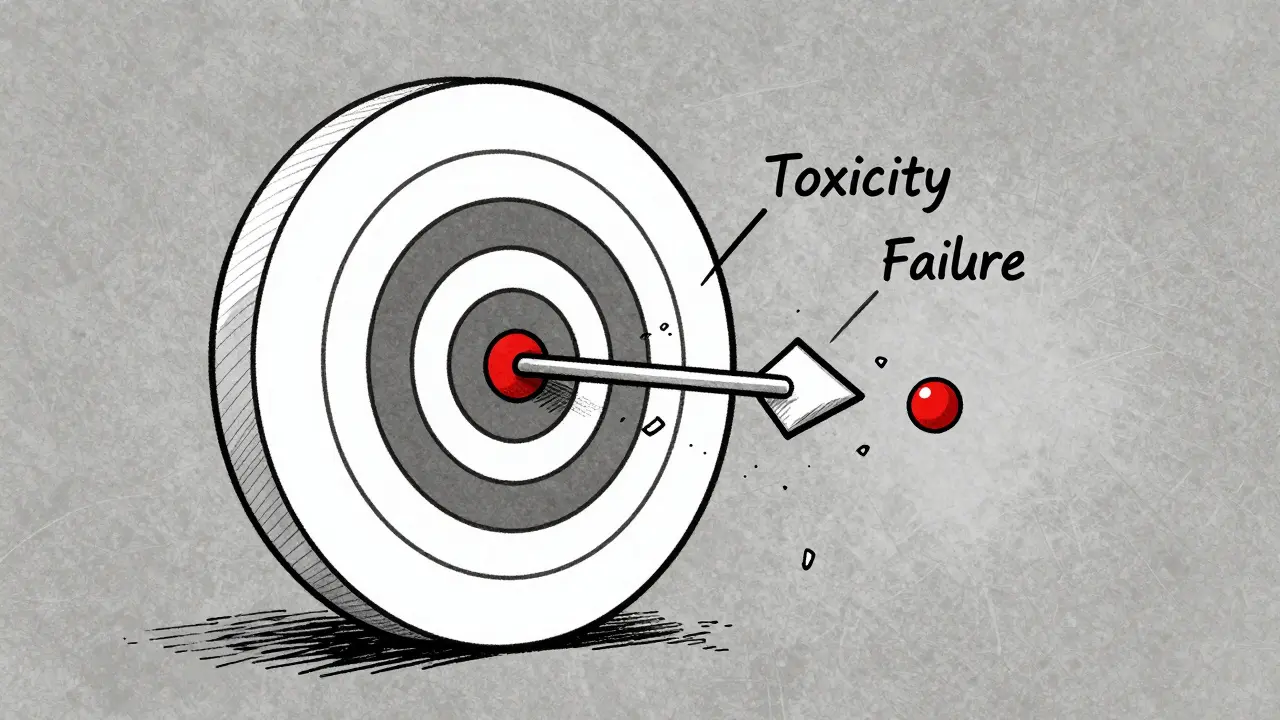
To understand the risk, you first need to understand the concept of the therapeutic window. Imagine a target. For most drugs, the bullseye is huge. You can hit slightly left or right, and you still get the result you want. For NTI drugs, the bullseye is the size of a pinhead. Miss it by a millimeter, and you miss entirely-or worse, you hit something dangerous.
The U.S. Food and Drug Administration (FDA) defines these drugs as those where "small differences in dose or blood concentration may lead to serious therapeutic failures and/or adverse drug reactions." In plain English, this means the amount of drug needed to cure your condition is very close to the amount that will poison you. Health Canada puts a number on it: there is less than a twofold difference between the minimum effective concentration and the minimum toxic concentration in your blood.
This classification wasn't always clear-cut. It was only in the 1980s, as doctors started monitoring drug levels in blood more closely, that we realized how precarious some treatments were. Today, the FDA has stricter rules for generic versions of these drugs. While standard generics must be within 80-125% of the brand name’s strength, NTI generics must be within 90-111%. That tighter squeeze-just an 11% variance instead of 25%-shows how sensitive these medications are. Any degradation from age pushes them outside this safe zone instantly.
The Most Common NTI Medications
You likely know at least one person taking an NTI drug. They are common treatments for serious, chronic conditions. Here are the heavy hitters you should recognize:
- Warfarin is a blood thinner used to prevent strokes and clots. It is perhaps the most well-known NTI drug. Patients take it for mechanical heart valves or atrial fibrillation. The goal is to keep the blood thin enough to stop clots, but thick enough to stop bleeding if you cut yourself. An expired warfarin tablet that has lost 10% of its potency could cause a stroke. A tablet that degraded into a more potent form could cause internal hemorrhaging.
- Lithium is a mood stabilizer primarily used for bipolar disorder. It keeps emotional swings under control. However, lithium toxicity causes tremors, confusion, and kidney damage. Because the body handles lithium slowly, small changes in dosage accumulate over time. An inconsistent dose from an aging bottle can destabilize a patient’s mental health or lead to physical toxicity.
- Digoxin is a heart medication used for heart failure and irregular rhythms. It helps the heart pump stronger. The therapeutic range is incredibly tight: 0.5 to 0.9 ng/mL in the blood. Toxicity starts at just 1.2 ng/mL. That is a mere 33% increase from the safe upper limit to danger. Degradation products or potency loss in expired digoxin can disrupt heart rhythm, leading to arrhythmias that require emergency care.
- Phenytoin is an anticonvulsant used to control seizures. If the dose drops below the therapeutic level due to degradation, a patient can suffer breakthrough seizures. If it spikes, they face dizziness, vision problems, and severe neurological issues.
- Levothyroxine is a synthetic thyroid hormone used to treat hypothyroidism. Thyroid levels regulate metabolism, energy, and heart rate. Small fluctuations can make patients feel exhausted or anxious, but long-term imbalances can strain the heart and bones.
Other notable NTI drugs include carbamazepine, tacrolimus (used for organ transplant rejection), cyclosporine, and theophylline (for asthma). Each of these requires precise dosing to function correctly.
Why Expiration Dates Matter More for NTI Drugs
Expiration dates are not arbitrary deadlines chosen by manufacturers to force new sales. They represent the period during which the company guarantees the drug retains its full potency and safety under specific storage conditions. For a standard antibiotic, losing 10% of its strength might mean it takes two days longer to kill bacteria. Annoying, but rarely deadly.
For NTI drugs, that same 10% loss is catastrophic. Let’s look at warfarin again. Doctors adjust warfarin doses in tiny increments, often less than 20%, based on weekly blood tests (INR scores). If you take an expired warfarin tablet that has degraded by 10%, you are effectively changing your dose without telling your doctor. Your INR score will drop. Your blood becomes thicker. If you have a mechanical heart valve, a clot can form, travel to your brain, and cause a massive stroke.
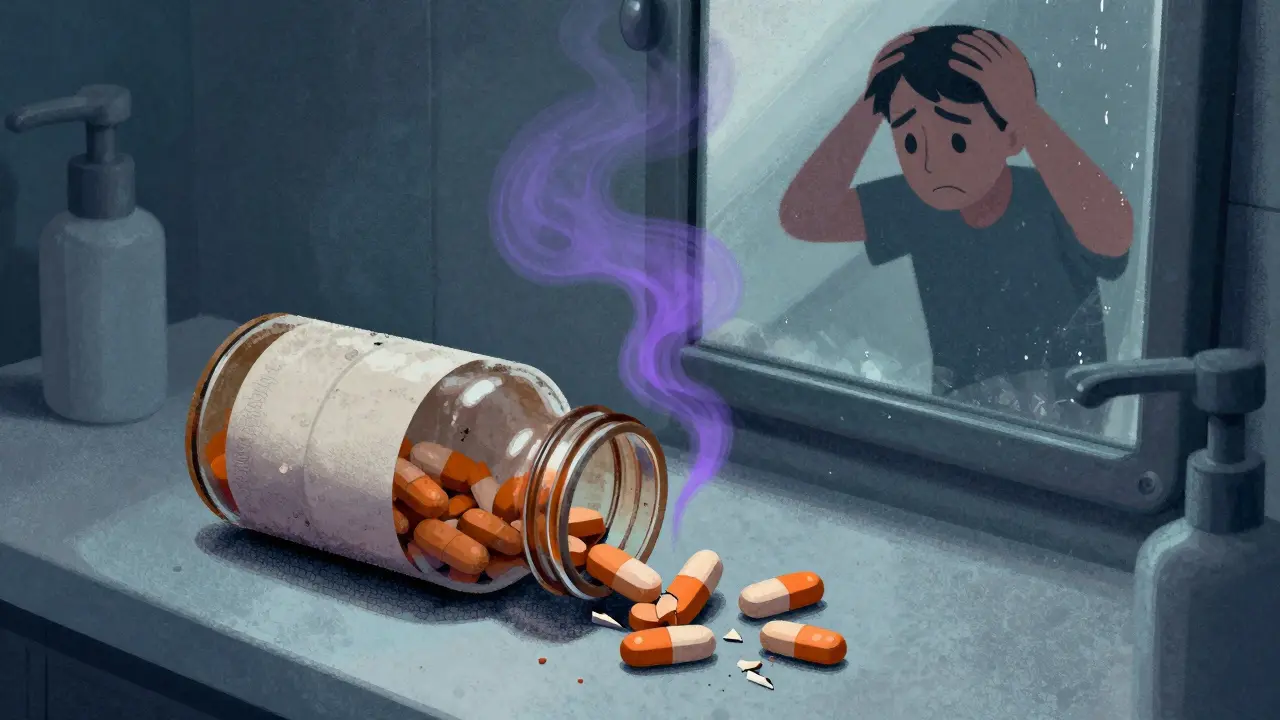
Conversely, some drugs degrade into toxic compounds. While tetracycline is the classic example of a drug that becomes toxic when expired, NTI drugs pose a different kind of chemical risk. The breakdown of the active ingredient can alter how the body absorbs the drug. The North Carolina Board of Pharmacy notes that NTI drugs already have "limited or erratic absorption." Adding chemical instability from age makes the absorption unpredictable. One day the pill works; the next day, it doesn’t. This variability is exactly what these drugs cannot tolerate.
| Feature | Standard Drug (e.g., Ibuprofen) | NTI Drug (e.g., Warfarin) |
|---|---|---|
| Therapeutic Window | Wide (large gap between effective and toxic dose) | Narrow (less than 2x difference between effective and toxic) |
| Generic Bioequivalence Limit | 80% - 125% | 90% - 111% |
| Risk of 10% Potency Loss | Reduced efficacy, minor discomfort | Therapeutic failure or toxicity (stroke, seizure, death) |
| Monitoring Required | None or symptom-based | Frequent blood tests (TDM) |
| Expired Use Recommendation | Avoid, but low immediate risk | Strictly prohibited |
The Myth of "Good Enough" Potency
You might have heard stories about hoarding medication during emergencies. During natural disasters, people sometimes use expired meds because there is no alternative. The FDA’s own studies suggest many drugs remain stable for years. Does this apply to NTI drugs?
No. The Institute for Safe Medication Practices (ISMP) classifies all NTI medications as "high-alert medications." This means they carry a heightened risk of causing significant patient harm when used in error. Using an expired high-alert medication is considered a critical error. The variability introduced by expiration exceeds the natural biological variability of the patient. The FDA notes that NTI drugs have low-to-moderate within-subject variability (no more than 30%). If the drug itself introduces another 5-10% of variance through degradation, you have pushed the total uncertainty beyond safe limits.
Furthermore, storage conditions matter immensely. Heat, humidity, and light accelerate degradation. A bottle of lithium stored in a bathroom cabinet (where humidity fluctuates daily) will degrade faster than one in a cool, dry pharmacy vault. Even if the date says 2027, the actual stability might be compromised earlier. With NTI drugs, you cannot guess. You must assume the worst.
What Should You Do?
If you or a loved one takes an NTI medication, your approach to the medicine cabinet needs to change. Here is the practical checklist for staying safe:
- Check the Date Every Time: Make checking the expiration date part of your daily routine, just like brushing your teeth. If it’s past the date, do not take it.
- Don't Stockpile: Unlike toilet paper, you don’t need a six-month supply of warfarin or lithium sitting in your drawer. Order refills so that you receive fresh stock regularly. If you have a large quantity of unused pills, ask your pharmacist if they can be disposed of safely or returned to a take-back program.
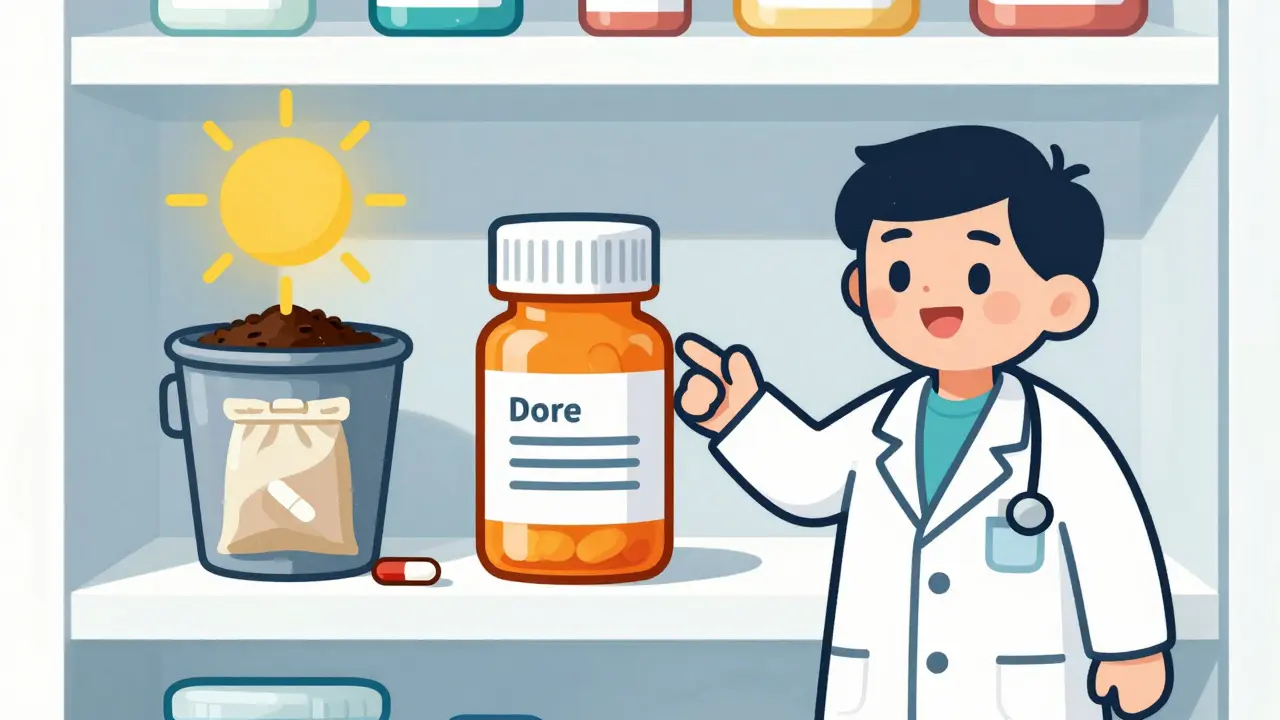
- Store Properly: Keep NTI drugs in a cool, dry place away from direct sunlight. Avoid the bathroom and the kitchen counter near the stove. Humidity is the enemy of tablet stability.
- Stick to One Brand/Generic: Because NTI drugs are so sensitive, switching between brands can sometimes affect blood levels. Try to stay consistent with the manufacturer prescribed by your doctor. If you must switch, inform your doctor so they can monitor your blood levels more closely.
- Dispose of Expired Pills Immediately: Don’t wait until the box is empty. When you pick up a new prescription, dispose of the old one. Many pharmacies have secure drop boxes. If not, mix the pills with coffee grounds or cat litter in a sealed bag before throwing them in the trash to prevent accidental ingestion by pets or children.
Remember, the cost of a new prescription is far lower than the cost of an emergency room visit for a stroke, seizure, or heart arrhythmia. Precision saves lives.
Is it ever safe to take an expired NTI drug in an emergency?
No. Medical professionals advise against using expired NTI drugs even in emergencies. The risk of therapeutic failure (the drug not working) or toxicity (the drug harming you) is too high. In a true emergency, seek professional medical help immediately rather than relying on unstable medication.
How can I tell if my medication is an NTI drug?
Your pharmacist or doctor can tell you. Common NTI drugs include warfarin, lithium, digoxin, phenytoin, levothyroxine, carbamazepine, and tacrolimus. If your medication requires regular blood tests to check the level of the drug in your system, it is likely an NTI drug.
Does storing pills in the fridge extend their life?
Not necessarily. Unless the label specifically says "refrigerate," storing pills in the fridge can introduce moisture, which degrades tablets. Most NTI drugs should be stored at room temperature in a dry place. Always follow the storage instructions on the prescription label.
Why are generic NTI drugs held to stricter standards?
Because small differences in concentration can be dangerous, the FDA requires generic NTI drugs to be bioequivalent within 90-111% of the brand name, compared to 80-125% for regular drugs. This ensures that switching between brand and generic does not push the patient out of their narrow therapeutic window.
What happens if I accidentally take an expired NTI pill?
If you realize you took an expired NTI pill, contact your doctor or pharmacist immediately. Do not skip your next dose unless instructed to do so. Your doctor may want to check your blood levels (such as INR for warfarin or lithium levels) sooner than scheduled to ensure you are still within the safe range.